











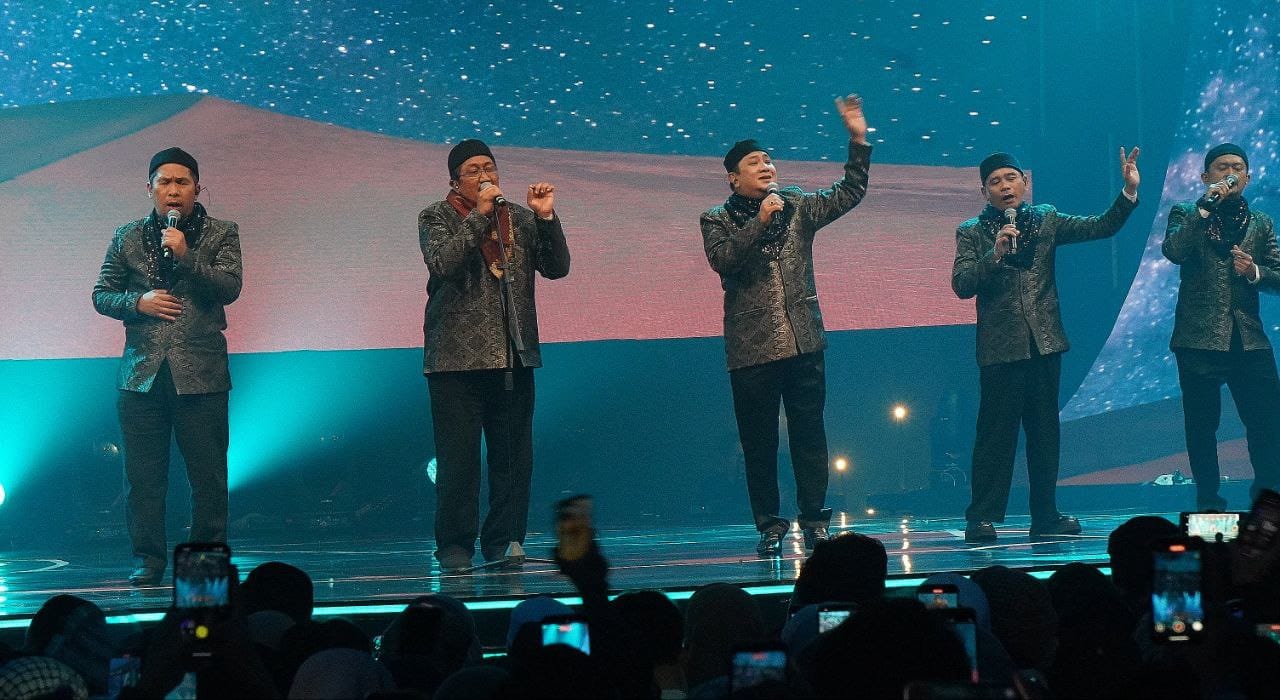
Television station TV Al-Hijrah drew an unexpected crowd for its first Konsert Malam Hijrah Bergema, presenting a faith-driven alternative to the usual New Year’s Eve parties. The free concert at the Putrajaya International Convention Centre attracted not only long-time nasyid fans but also many attendees in their 20s and 30s, signalling a shift in what younger audiences want from public festivities.
Al-Hijrah New Year concert offers a spiritual alternative
Chief Executive Officer Namanzee Harris described the event as more than entertainment. He said the concert was a deliberate attempt to frame performance as contemporary da’wah that speaks to today’s society without preaching. “We want to show that entertainment can educate, advise and instil noble values while remaining relatable,” he said.
Organisers moved the event indoors from Dataran Putrajaya to PICC due to heavy rain and crowd-control concerns. The change of venue, they said, improved comfort, safety and production quality, enabling performers to deliver a carefully curated programme in a controlled environment.

The concert blended pop, nasyid and traditional forms, reflecting the organisers’ belief that meaningful entertainment can combine religious and cultural content with accessible melodies. Songs performed included classics such as “Pergi Tak Kembali” and “Nurkasih” alongside spiritual works and selawat. Performers ranged from established nasyid groups such as Rabbani, Raihan and Hijjaz to mainstream names like Datuk Hattan, Datuk Jamal Abdillah and Datuk Nash, plus younger acts including Sufian Suhaimi and several emerging munsyid ensembles.
Attendance exceeded expectations. Many in the audience rose together to sing selawat and songs about personal renewal, producing a moment of collective reflection as the clock approached midnight. The atmosphere combined celebration with calm, offering an alternative script to the louder, more hedonistic New Year scenes found in some public spaces.
Namanzee emphasised that the initiative was born from a recognition that young people do not reject entertainment; rather, they seek meaning in it. He argued that when pop music’s devotional themes are paired with nasyid and local cultural elements, the result can be both moving and constructive.
The concert was free to the public despite significant production costs. Organisers said this decision ensured equitable access and signalled that the priority was content and message rather than spectacle. “We want people to come for the meaning, not the glamour,” Namanzee said.
Cultural commentators welcomed the event as a demonstration that mainstream entertainment can be aligned with local values. Supporters say initiatives like the Al-Hijrah New Year concert help establish an identity of celebration rooted in community, manners and spiritual reflection rather than imported trends that may not reflect local norms.
Whether the concert will prompt a broader change in how New Year celebrations are staged remains to be seen. For now, the event offered a visible example of how entertainment can serve social and spiritual aims while still engaging diverse audiences. Attendees left with a sense of calm and renewed purpose, suggesting that values-based programming can find a place alongside other forms of public festivity.
Key Takeaways:
- Al-Hijrah’s New Year concert presented a faith-centred alternative to typical midnight celebrations, drawing young and older audiences alike.
- The free event at PICC featured prominent nasyid and mainstream artists performing spiritually themed songs and calls to reflection.
- Organisers said the concert used entertainment as a contemporary platform for da’wah and local cultural identity.
- Strong audience response highlighted the potential of values-based entertainment to shape public celebrations.








