











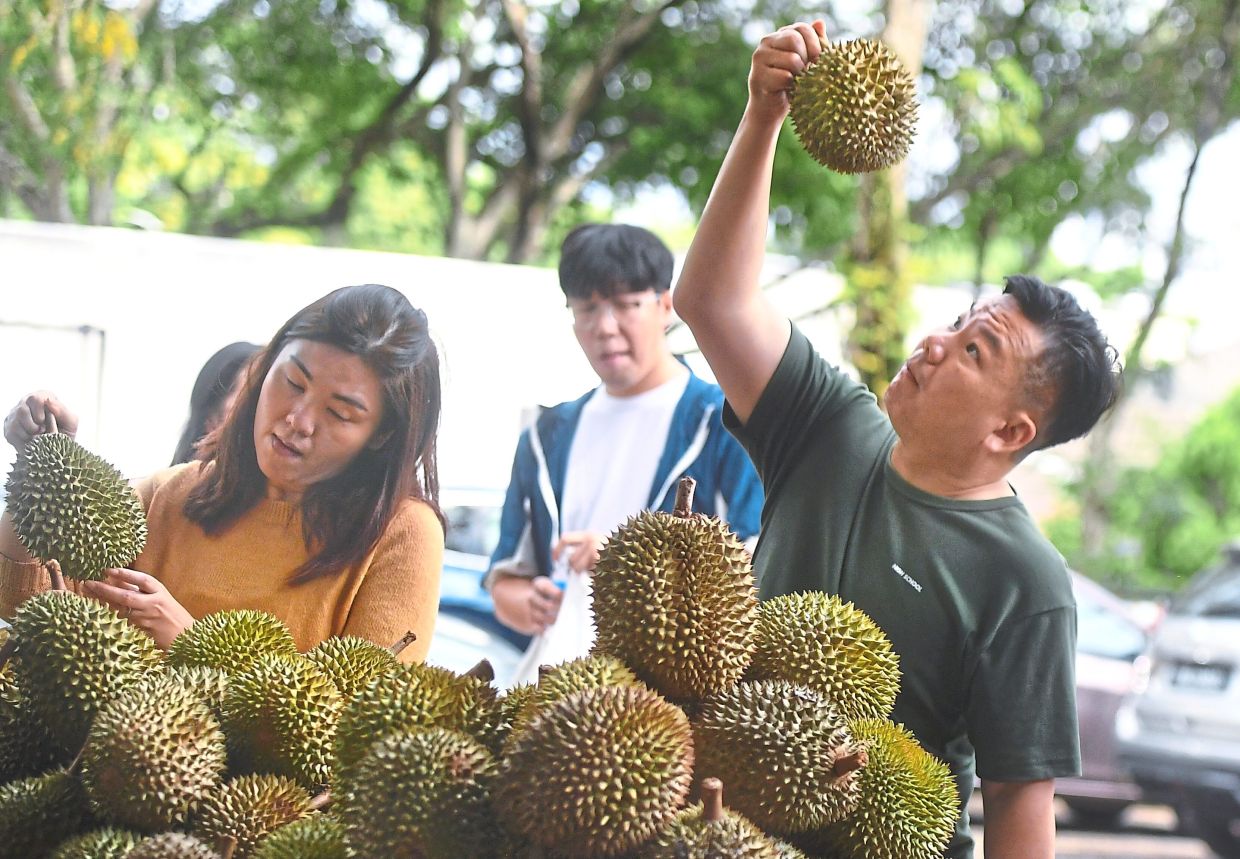
Penang has rolled out a new track-and-trace system called Mi-Trace to help verify the origin of durians and tackle growing concerns over mislabelling. Developed by the state government in partnership with technology firm Mimos Sdn Bhd, the initiative aims to protect farmers and strengthen confidence in premium Penang produce such as Musang King, Black Thorn and Ang Heh.
Durian traceability with Mi-Trace
Mi-Trace allows consumers to confirm a fruit’s origin, certification and validity, and enables authorities to monitor movement, condition and status throughout the delivery process. The system can be applied to both whole and frozen durians and offers features such as produce tagging, inventory management, route optimisation and load forecasting. These functions are designed to improve provenance checks and support sustainable farming practices.
The Agriculture Department began implementing the system in June with visits to durian farms. State officials told growers they were targeting registration among larger farms in every district and set an objective to register at least 75% of orchards ahead of this year’s durian season. Since June, roughly 40% of farms have signed up for the register.

Growers have raised complaints for more than a decade about traders misrepresenting the origin of fruit, with some vendors reportedly selling foreign or lower-grade varieties as premium Penang produce. Farmers say false labelling harms their reputation and undercuts prices for genuine local crops.
The Malaysian Agricultural Research and Development Institute (Mardi) has welcomed the initiative and is exploring how to support a similar system at national scale. Mardi noted the genetic mixing common in durian clones, which can cause considerable variation in traits, and said maintaining the integrity of each clone requires robust safeguards against mislabelling.
For exporters of premium food products, the system offers a credible way to deter counterfeiting and assure overseas buyers of provenance. Mimos highlighted that while Mi-Trace was developed with agriculture in mind, its applications can extend to other sectors requiring traceability and authenticity checks.
Officials emphasise that, so far, there has been no formal investigation into claims that foreign durians were being sold as local produce, though farmers have reported such concerns since 2012. The state’s approach prioritises registration and verification at source, which should make it easier to detect and prevent fraudulent claims along the supply chain.
Penang is well known for its durian orchards in Balik Pulau and for varieties that command higher prices both domestically and abroad. Malaysia recorded a total durian output of 568,806.8 tonnes in 2025, and the sector has seen growing interest in new hybrids such as Tupai King and Cenderawasih.
Proponents say Mi-Trace will bolster brand credibility for Penang growers, improve market transparency and support the wider adoption of Internet of Things applications in agriculture. With backing from research bodies and active registration underway, the system could provide a template for other states and help protect both consumers and producers in Malaysia’s lucrative durian market.
Key Takeaways:
- Penang has introduced Mi-Trace to improve durian traceability and curb mislabelling.
- The system, developed with Mimos, lets consumers and authorities verify origin, certification and movement.
- About 40% of farms have registered since June; the state aims for 75% coverage this season.
- Research bodies like Mardi back the initiative and see scope for nationwide IoT agricultural applications.








