











Key Takeaways:
- Meaningful consumption is reshaping how people in India choose to spend, prioritising ideas, connections and experiences over impulse buying.
- Practices such as wallet detoxes, repair workshops and local markets are reducing waste and restoring consumer agency.
- Fashion leaders and behavioural experts argue longevity, craft and story-driven design can counter fast fashion’s environmental toll.

In 2025 a quiet but notable change in spending habits has swept through India. Consumers are asking a simple question that many had long ignored: why am I buying this? The answer is driving a shift not away from consumption but towards greater purpose and longevity.
Meaningful consumption takes hold
For years buying was automatic: a tap, a scroll, and a payment. Digital convenience removed the pause that used to prompt thought. This year a growing number of people are deliberately reintroducing that pause. “Wallet detoxes” — removing mindless payment apps, tracking triggers and practising intentional purchasing — have moved from niche practice to mainstream conversation. Behavioural psychologist Niharika Saini says that buying often served as a coping strategy in uncertain times. “When everything feels fast and uncertain, buying becomes a shortcut to emotional regulation. But shortcuts rarely make us feel full,” she warns.
The movement is not about austerity. Instead, it is pro-meaning: people are choosing to spend on ideas, relationships and experiences that register emotionally rather than merely visually. Influencer culture and algorithm-driven trends that turned food, travel and wellness into checklists are losing their appeal. Consumers want involvement, not influence; belonging, not branding, according to PR founder Drashti Ajmera.
Fashion and longevity
Fashion, often blamed for wasteful cycles, is positioned to support this reset. Designers such as Kirti Seth of Ka-seeda and Babita Malkani of House of Taash argue that garments with thoughtful detailing, honest craftsmanship and cultural roots build emotional bonds that outlast trends. “People fall in love with clothes the same way they fall in love with people — slowly, unexpectedly, because something felt right,” Malkani says. Her design approach asks whether a piece will still spark interest months or years later, a question that guides decisions away from fast-selling items and towards lasting pieces.
Fast fashion’s rapid turnover contributes to textile waste, microplastics and carbon emissions. At the same time, hyper-delivery networks add air and noise pollution. By prioritising durable design, repair and reuse, the new consumption habits aim to reduce environmental strain while restoring meaning to possessions.
Everyday changes, measurable effect
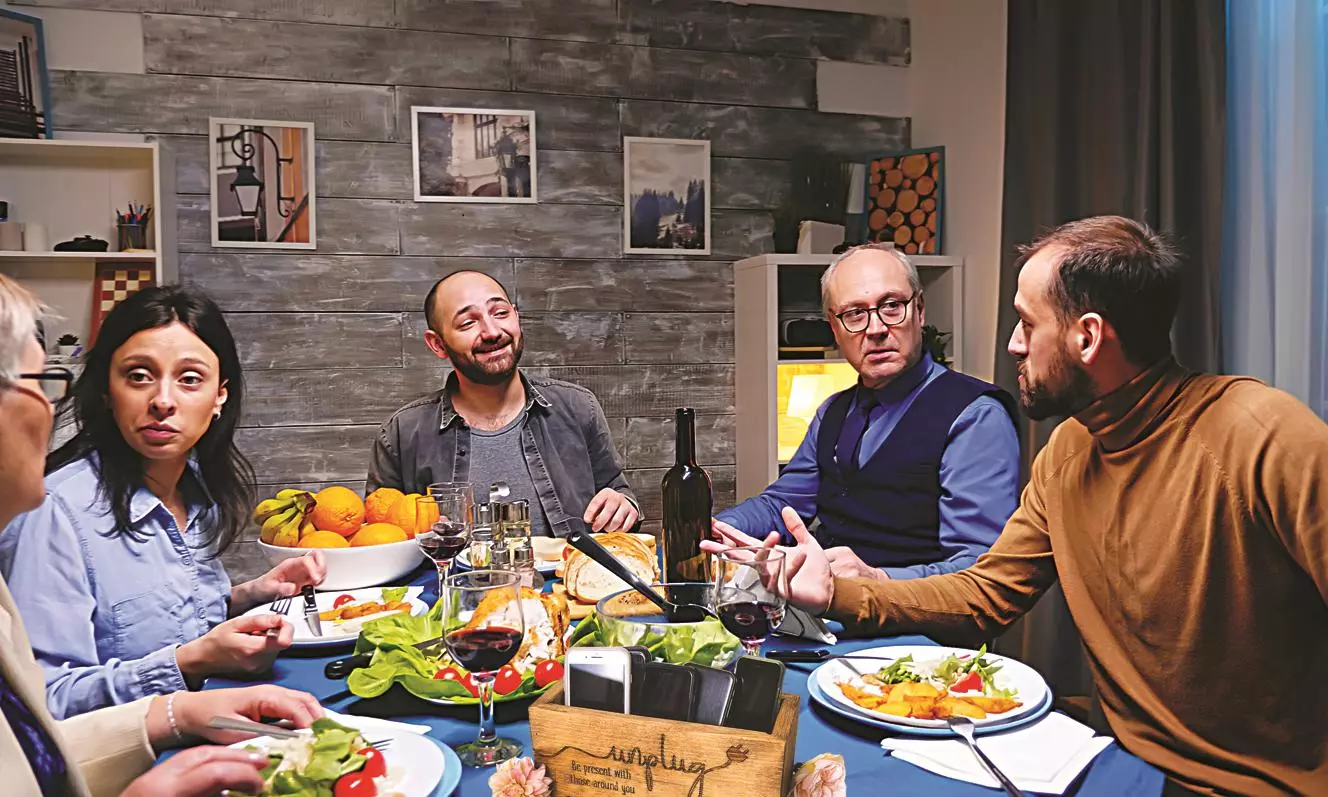
Across cities and towns small, everyday practices are accumulating into measurable change. Farmers markets, neighbourhood plant swaps, tech-free dinners, shared cooking rituals, repair workshops and quiet book circles are among micro-habits reshaping daily life. Local craft markets and mindful mending events encourage people to invest in items that carry stories and can be kept for longer.
These shifts also signal broader market opportunities. Brands that invest in durable materials, transparent supply chains and narrative design may benefit from stronger customer loyalty and lower churn. For consumers, the payoff is both emotional and practical: fewer impulse purchases, reduced clutter and a smaller environmental footprint.
Observers note this is an incremental movement rather than a mass revolt. Yet its spread across generations suggests a durable correction to the pace of the past decade. As people reclaim the pause between want and purchase, meaningful consumption emerges as a pragmatic response to ecological limits and emotional fatigue.
Whether through longer-lasting clothes, communal experiences or simply fewer notifications demanding a purchase, the practices taking hold in 2025 show how a society can reframe consumption as participation rather than accumulation.








