











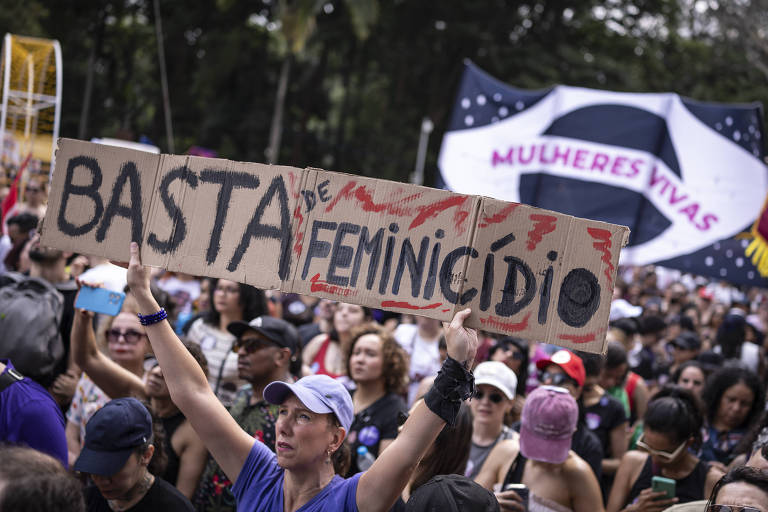
Brazilian commentators, activists and some political leaders are increasingly arguing that the fight against violence towards women must include a sustained focus on men — not as a concession to perpetrators but as a prevention strategy. With femicide rates remaining alarmingly high, the conversation is shifting from reacting to individual crimes to addressing the social formation that produces violent behaviour.
Public debate at the end of the year, prompted by particularly brutal cases, brought the issue to the fore. High-profile voices, including the president, signalled a willingness to consider interventions aimed at male socialisation. For advocates, this marks an important move: prevention must become policy rather than rely on the burdensome expectation that victims alone should shoulder change.
Men and violence prevention in Brazil
Experts and activists propose a broad, cross-sectoral approach. Schools and early childhood settings would play a central role, with curricula and teacher training that teach emotional literacy, conflict resolution and respect for autonomy. Health services would provide accessible mental health and support for boys and men. The justice system would be reformed to hold perpetrators accountable while reducing recidivism. Community institutions such as sports clubs, churches and cultural projects would be enlisted to reach boys where they live.

Their argument is straightforward: if masculine norms teach boys that emotion is weakness, that dominance confers status, and that rejection is intolerable, those norms must be challenged across the environments that shape a young person’s character. Without that reach, campaigns addressed mainly to women will only shift the burden of change onto those already at risk.
Policy makers are urged to design measures with real reach. Suggestions range from parenting programmes and paternity policies that encourage shared caregiving, to vocational and technical education that integrates discussions of healthy relationships. Communication campaigns should be culturally varied, addressing different regions and social groups without moralising language that alienates potential allies.
There is also a pragmatic case for broad political ownership. If prevention is framed solely as a left‑wing cause, it risks becoming polarised and losing traction. Advocates say that conservative actors can support prevention under labels such as family stability, public safety or civic values, expanding the political coalition necessary to implement long-term measures.
Crucially, this is not about asking victims to educate abusers. It is about creating public policies that intercept violent patterns before they manifest. That requires investment, coordination and patience: teacher training, mental health provision, functioning justice institutions, community programming and evaluation frameworks to measure impact over time.
As Brazil moves into 2026, activists and some leaders hope the feminist agenda will broaden to include the social conditions that give rise to male violence. Turning prevention into policy will be demanding, but advocates say it is the only route to reduce killings and assaults in a sustained way. Without bringing men into the conversation as both subjects of change and agents of accountability, the country risks repeating cycles of outrage followed by limited reforms.
Prevention, they argue, means reshaping the environments where boys learn to be men. That long-term effort could alter the balance between hashtags and statistics, grief and lasting reduction in violence.
Key Takeaways:
- Calls are growing in Brazil to shift feminist focus to policies addressing male socialisation and behaviours.
- Advocates and leaders, including President Lula, urge prevention through education, health and justice reforms.
- Proposed measures include school programmes, paternity policies, community sport and mental health access.








