











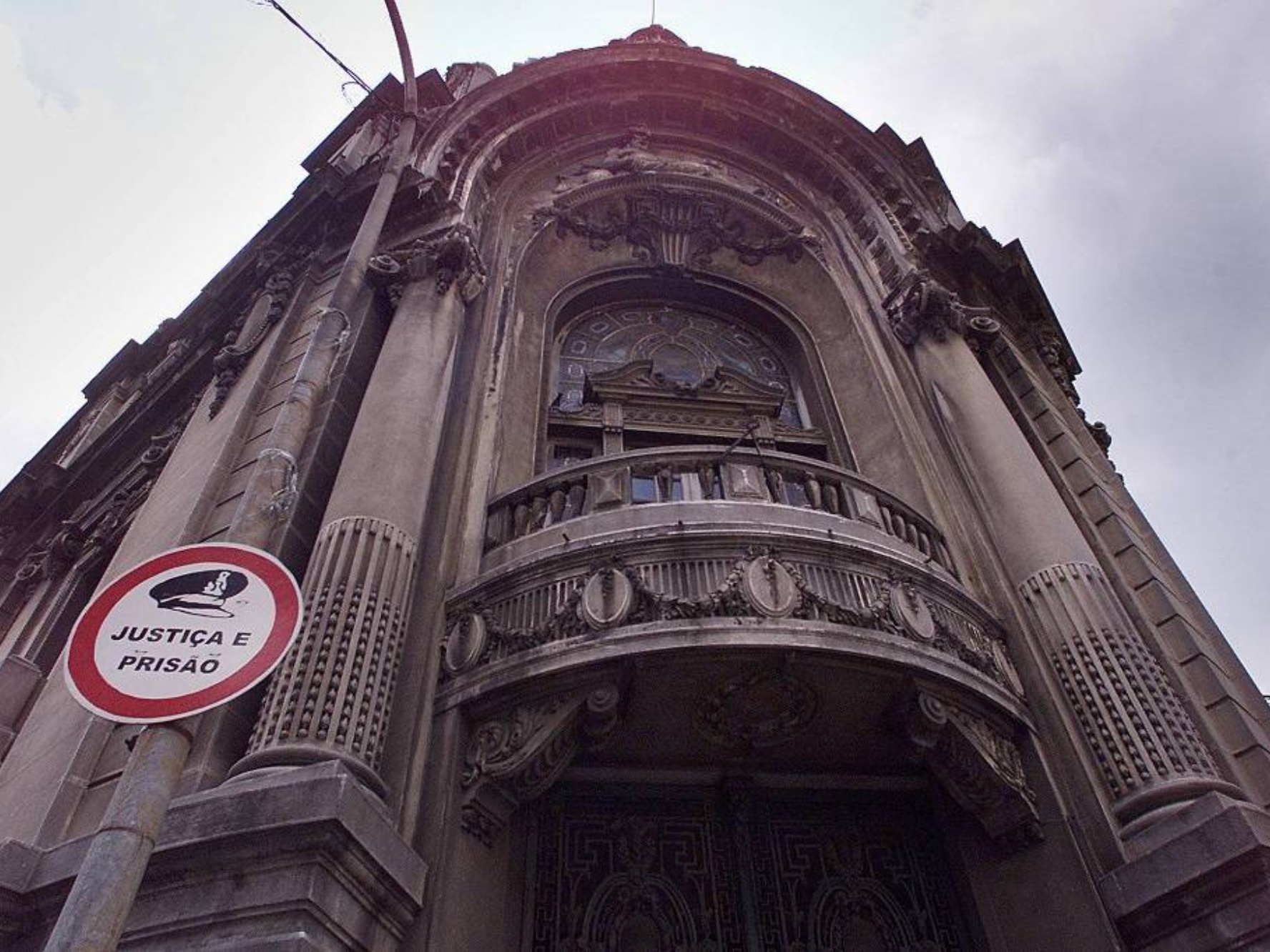
Key Takeaways:
- The Ministry of Culture has ratified the heritage listing of the former Dops building in Rio de Janeiro, recognising its historical significance and dark past.
- The Dops building in Rio de Janeiro served as a police headquarters and site of political repression and torture under successive authoritarian regimes.
- Legal ownership was disputed between the Union and Rio’s Civil Police; activists seek a human rights memorial while police planned a museum.
- The site also played a role in repression of Afro-Brazilian religions; religious items seized are part of the “Acervo Nosso Sagrado” collection.

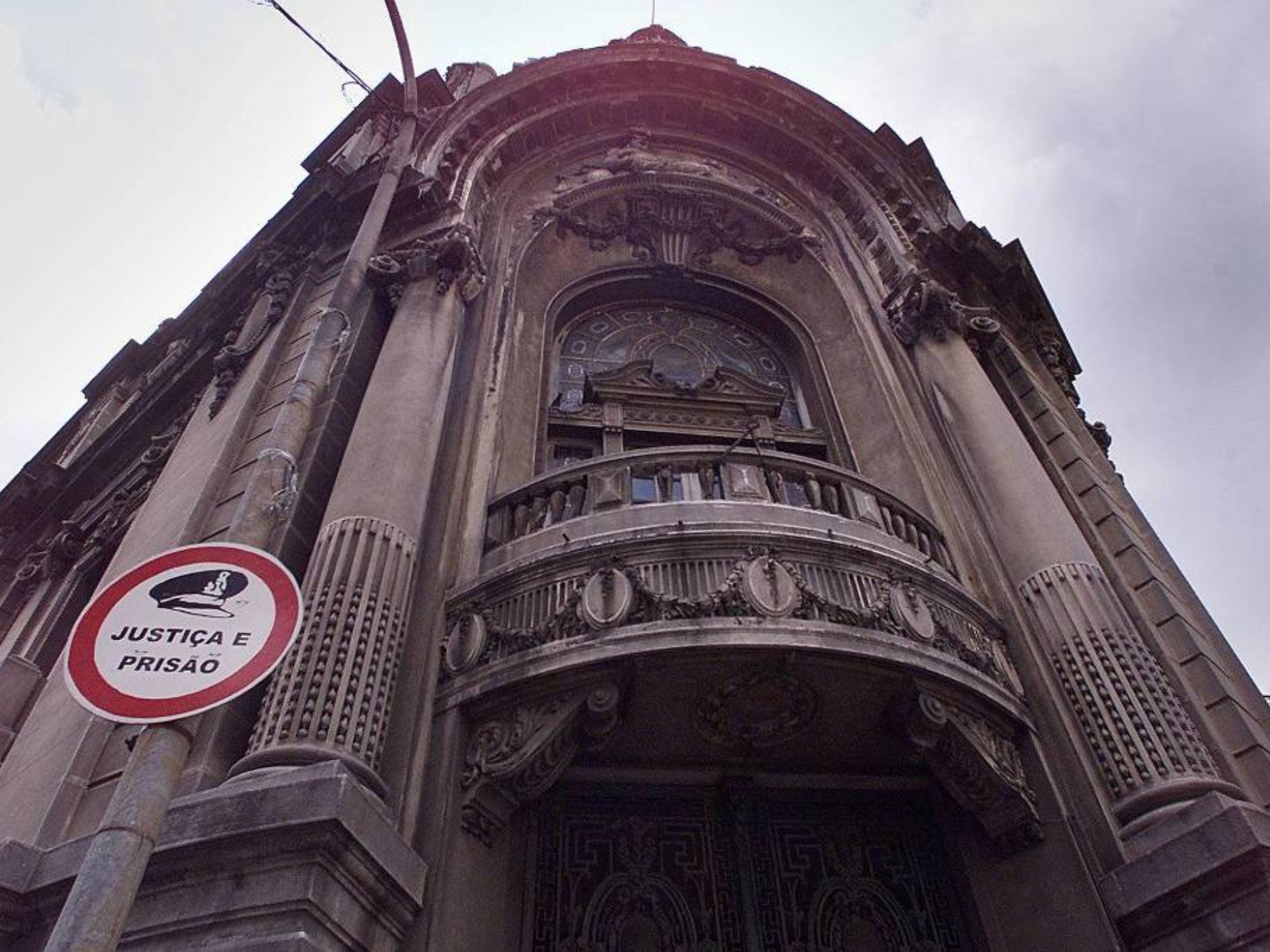
Ministry of Culture ratifies heritage listing for former Dops building in Rio
The Ministry of Culture has ratified the heritage listing of the century-old building on Rua da Relação in Rio de Janeiro that once housed the Department of Political and Social Order, known as Dops. The decision recognises the site’s historical importance while reopening debates over ownership, preservation and how Brazil should remember state repression.
Dops building in Rio de Janeiro: a painful chapter recognised
Built in the 1910s, the four-storey structure served as the police headquarters for the Federal District until 1962. From that year the building was occupied by Dops, an institution that became synonymous with political persecution and torture throughout Brazil’s authoritarian periods, notably during the Estado Novo under Getúlio Vargas and the later military regime.
The Ministry’s act of homologation formalises protections intended to prevent demolition or irreversible alteration. Officials and civil society groups say the measure is a step towards preserving collective memory and protecting a site closely associated with human rights violations.
Dispute over control and competing proposals
The building has been the subject of a long-running dispute between the Union and the Rio de Janeiro Civil Police. In 1965 the Union transferred the property to the then government of the state of Guanabara, but that transfer was not registered, leaving legal ownership unresolved.
In recent months the site has fallen into neglect. Prosecutors from the Federal Public Ministry asked the Union to take steps for preservation and protection, while local reporting showed the property in a state of abandonment. Activists have campaigned for the building to become a centre for memory and human rights education. The Civil Police proposed instead to create a museum dedicated to the history of the police force.
Historical harms and the call for memory
Beyond political repression, the building played a role in early 20th-century campaigns against Afro-Brazilian religions. Police teams operating from the site were involved in raids that destroyed terreiro temples of umbanda and candomblé, confiscating ritual objects that now form part of the Acervo Nosso Sagrado collection. Community leaders and scholars argue that recognising this history is essential to a full account of state violence.
The heritage listing does not by itself resolve questions about the building’s future use. It does, however, set legal constraints that will influence any plans for renovation, exhibition or public access. For activists who seek a public centre devoted to memory and human rights, the decision is a victory. For authorities who see a museum dedicated to police history as appropriate, the listing will require careful negotiation to respect both preservation rules and the sensitivities of victims and their families.
As the state and federal actors consider next steps, human rights groups have called for transparent consultations with survivors and descendants. The coming months will determine whether the site becomes a space for education and remembrance or remains contested ground in Brazil’s ongoing reckoning with its authoritarian past.








