











Key Takeaways:
- India implemented wide-ranging policy reforms across taxation, trade, labour and energy in 2025, boosting investor confidence.
- Key measures include a simplified Income Tax Act, a two-slab GST, 100% FDI in insurance and landmark maritime legislation.
- Reforms target formal job creation, lower compliance costs for businesses and expanded global trade partnerships.

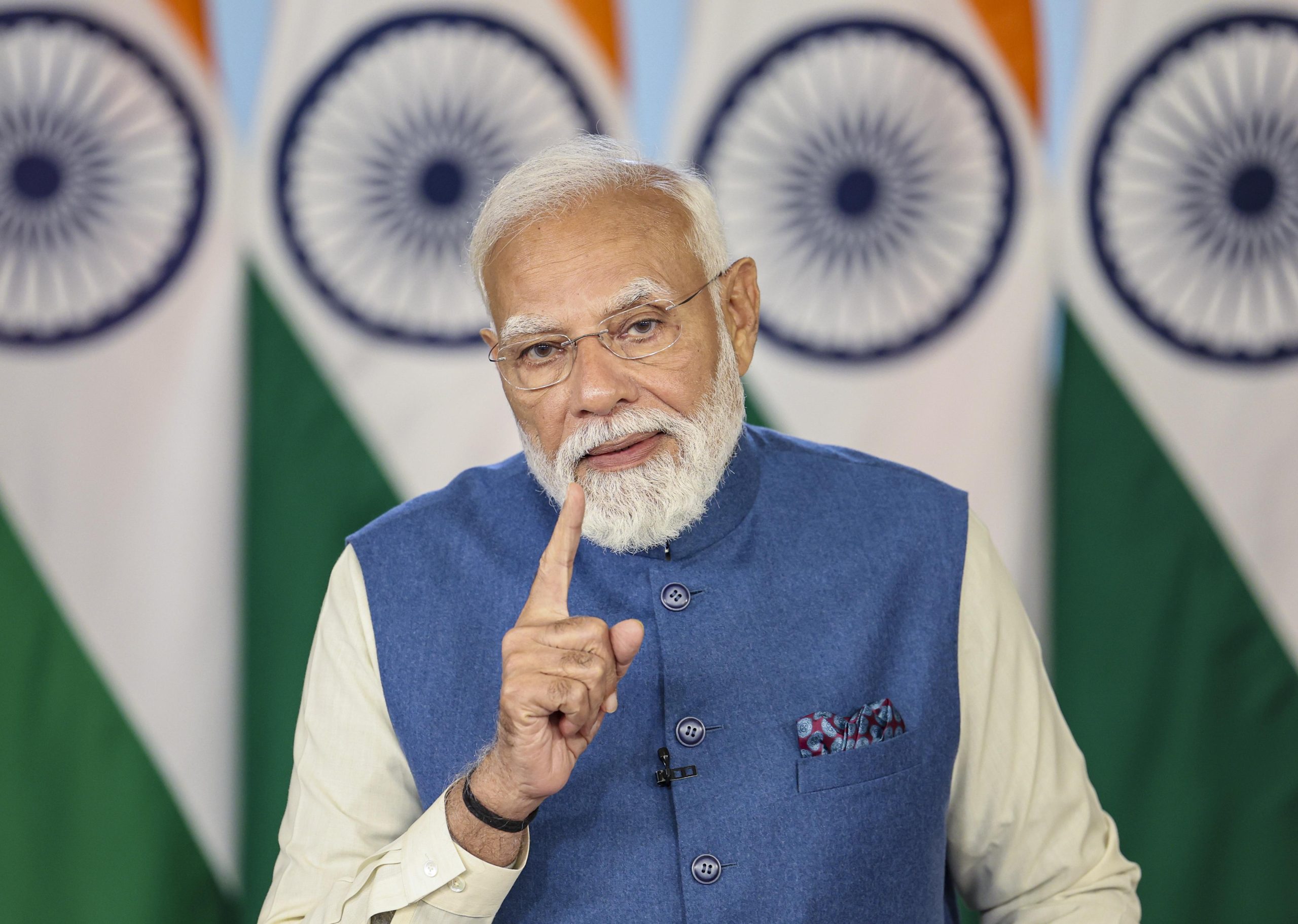
Prime Minister Narendra Modi has described 2025 as a decisive year for reform in India, saying a suite of measures implemented this year will accelerate the country’s journey towards the 2047 Viksit Bharat goal. In posts on X and LinkedIn he framed the changes as part of a sustained Reform Express driven by India’s young population and the “indomitable spirit” of its people.
India reforms 2025 set to accelerate growth
The government highlighted cross-sectoral reforms designed to simplify governance, boost private investment and expand social protections. Several measures aim to reduce compliance burdens, strengthen institutions and widen access to financial services, while trade and energy initiatives are intended to open new markets and support clean technology deployment.
On taxation, the government introduced a modernised Income Tax Act, 2025, replacing the previous statute from 1961 and scrapping income tax for individuals earning up to Rs 12 lakh a year. GST reform established a two-slab structure of 5% and 18%, which the government says eases the burden on households, MSMEs and labour-intensive sectors, and should help reduce disputes and improve compliance.
Small and medium enterprises received regulatory relief through an expanded definition of “small companies” to include firms with turnover up to Rs 100 crore, lowering compliance costs for thousands of firms. The administration also permitted 100% foreign direct investment in Indian insurance companies, a move presented as a boost to insurance penetration and service quality.
Market infrastructure reforms were introduced for securities regulation with the Securities Market Code Bill in Parliament, aiming to enhance governance, investor protection and a technology-driven securities market. Maritime and blue economy reform was swift, with five major maritime bills passed in a single session to replace outdated laws and simplify shipping documentation, dispute resolution and port governance.
Labour law reform consolidated 29 fragmented statutes into four modern codes to streamline industrial relations, improve social security coverage and encourage higher female workforce participation. The government says unorganised and contract workers will gain access to benefits under ESIC and EPFO, expanding formal protection.
On the international front, India advanced trade agreements with New Zealand, Oman and the United Kingdom. The free trade agreement with the European Free Trade Association became operational, representing India’s first FTA with developed European economies and expected to broaden market access for Indian exporters.
Energy and technology policy also featured prominently. The SHANTI Act was presented as a framework to expand nuclear science and technology responsibly, creating pathways for private sector participation in next-generation energy solutions, including opportunities linked to data centres, green hydrogen and advanced manufacturing.
Rural employment guarantees were enhanced under the Viksit Bharat Gram Rozgar Guarantee Act, 2025, increasing guaranteed workdays from 100 to 125, with the objective of strengthening village infrastructure and raising rural incomes. Higher education reform proposals aim to unify regulators into a single body to foster institutional autonomy, research and innovation.
Mr Modi framed the reforms as collaborative and citizen-centred, arguing that the government prioritised facilitation over control and designed measures with consultation and data. He urged investors and partners in India and abroad to deepen their engagement with the country’s growth trajectory.
Analysts say the 2025 policy package attempts to balance short-term demand support with long-term structural change, and its success will depend on implementation, regulatory clarity and the pace of private and foreign investment that follows.








