











Key Takeaways:
- Mogral Kalolsavam Oppana competition attracted a large, enthusiastic crowd despite a late start.
- Twenty-six teams from upper primary, high school and higher secondary categories competed on the opening day.
- Performances ran into midnight at the Ishalil stage, with attendees leaving satisfied.

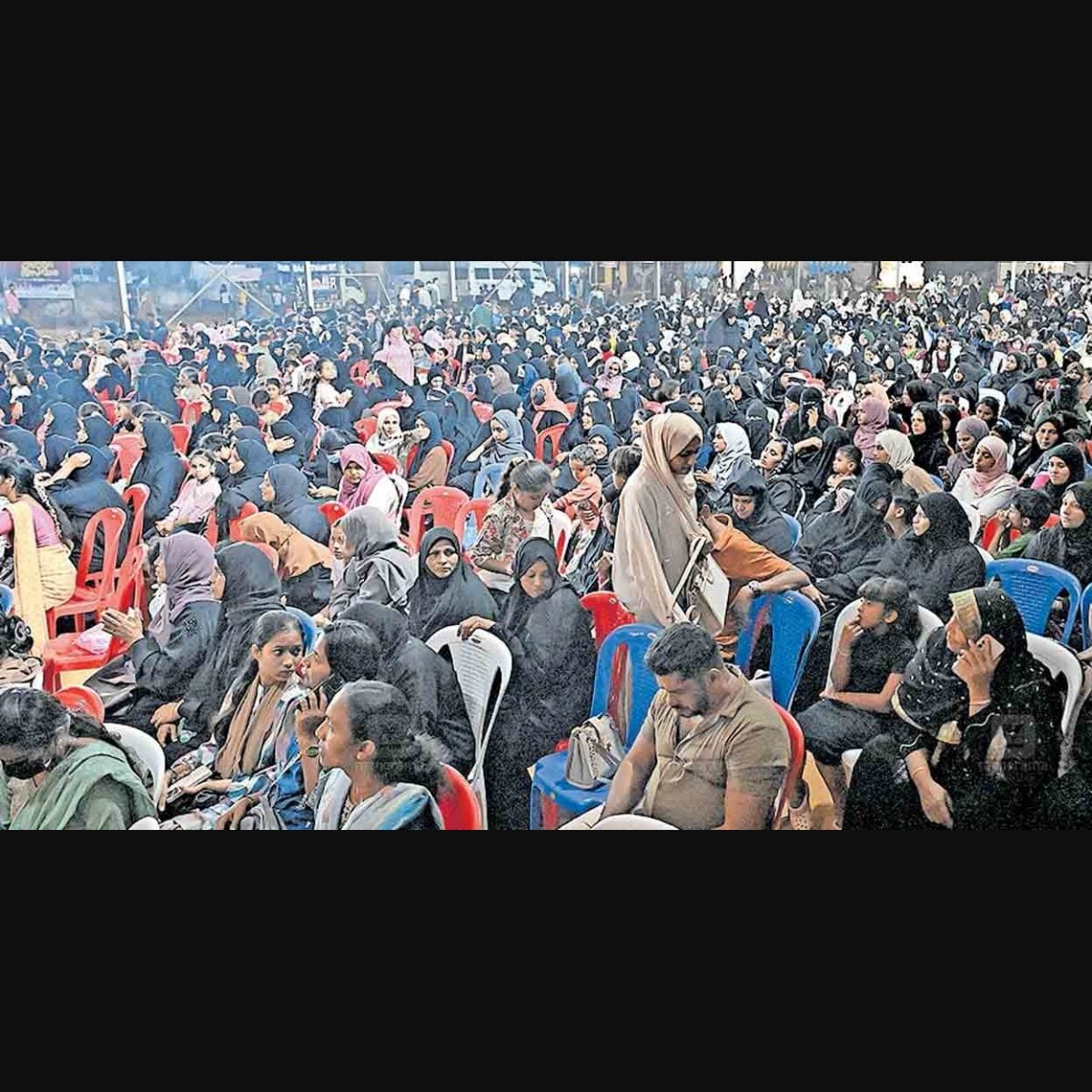
The opening day of Mogral Kalolsavam was energised by the Oppana competition, which drew a full house and kept the audience engaged late into the night. What was scheduled to begin in the afternoon started only after 7pm, but the delay did little to dampen the enthusiasm of those who had come to watch.
Mogral Kalolsavam Oppana competition draws packed audience
The Oppana contest took place on the Ishalil stage and featured 26 teams competing across three categories: upper primary, high school and higher secondary. The competition showcased a mix of traditional choreography, vocal accompaniment and rhythmic clapping, reflecting the cultural heritage of the region.
Organisers had originally listed the event to start at 3.30pm, but logistical adjustments and an influx of spectators postponed the opening until after 7pm. Despite the delay, spectators remained on site, watching performances that continued into midnight. Local reports noted that audiences left with a sense of satisfaction, praising both the performers and the event management.
Oppana is a traditional form of social performance frequently associated with Kerala’s Muslim communities. It blends dancing, singing and narrative gestures and is commonly performed at weddings and community gatherings. In the context of the Kalolsavam, the form is adapted for competitive presentation, with teams judged on coordination, musicality and stage presence.
Youth participation was strong. Students from schools across the region took part in the contest, using the platform to display hours of rehearsal and cultural learning. Teachers and parents were among the large crowd, offering vocal support and encouragement for the performers. The presence of multiple age categories ensured a broad showcase of emerging talent.
Judges evaluated teams on a range of criteria including synchronisation, expression and adherence to tradition. Several performances stood out for their polished steps and confident stagecraft. Judges and cultural experts in attendance emphasised the importance of such festivals in keeping community arts alive and relevant for younger generations.
Event organisers reported a steady stream of visitors from nearby towns and villages. Crowd control measures and seating arrangements were adjusted to accommodate the unexpectedly large turnout. Security and volunteer staff worked into the night to ensure performers and attendees could move safely around the venue.
Local media coverage highlighted the communal atmosphere of the evening, noting that even the late hour did not deter families from watching the final acts. The success of the Oppana competition on the first day set a positive tone for the remainder of the Kalolsavam, which will continue with a variety of other traditional and contemporary art forms.
For many attendees, the event offered more than entertainment. It provided an opportunity for cultural continuity, allowing students to connect with a performance tradition while gaining confidence in public performance. Organisers said they would review scheduling and logistics to avoid large delays in future editions, while celebrating the evident commitment of performers and spectators.
As Mogral Kalolsavam proceeds, organisers hope the momentum from the opening day will carry on, drawing more participants and audiences to celebrate the region’s artistic talent.








