











Key Takeaways:
- Moscow snow cover rose to 18 centimetres at the VDNKh station, the highest this winter and matching the climate norm for the day.
- Across the city measurements range from 14 to 21 centimetres; New Moscow registered 19 centimetres and the Moscow region varies from 13 to 23 centimetres.
- Forecasters expect further snowfall on 30–31 December adding 2–3 centimetres, with a north‑Atlantic cyclone on 2 January likely to push the Moscow snow cover above normal.

Moscow snow cover to exceed seasonal norm after fresh snowfall
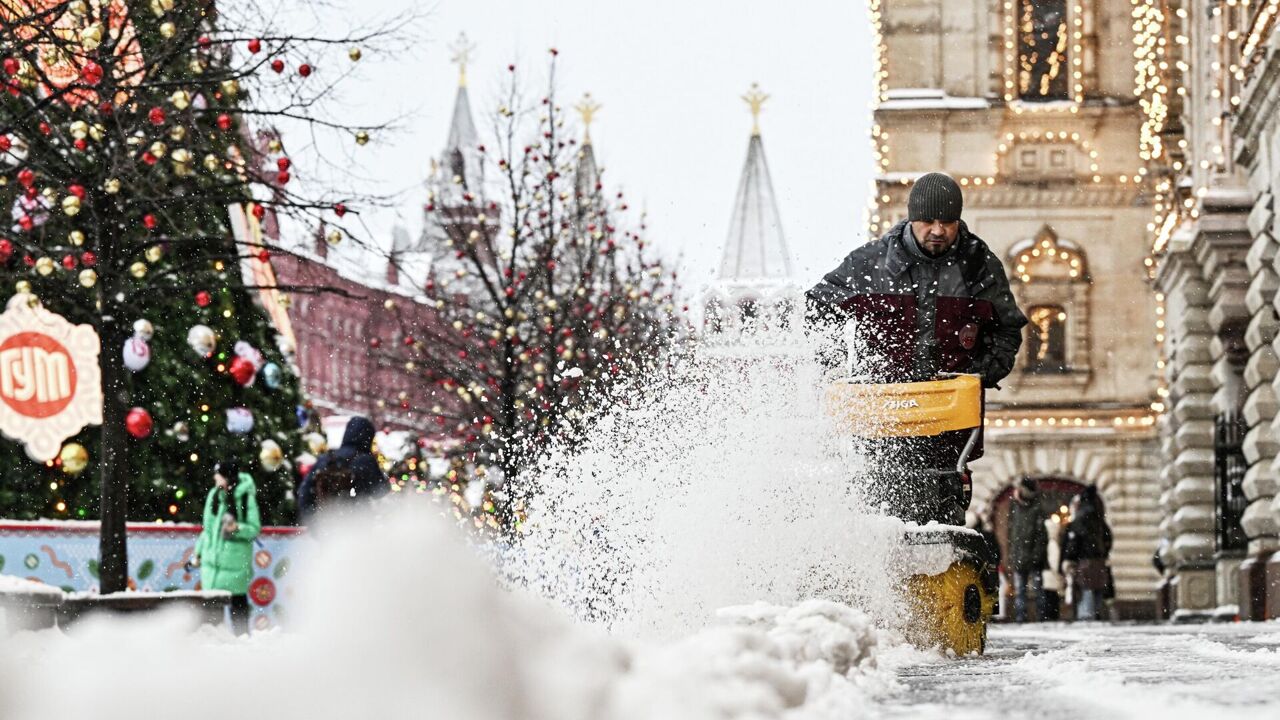
Moscow’s snow cover continued to build this week, with the city recording its deepest layer so far this winter, meteorologists said.
Mikhail Leus, chief specialist at the Phobos weather centre, reported via Telegram that the snow depth at the city’s base meteorological station, VDNKh, increased by another 3 centimetres on Tuesday, 30 December, reaching 18 centimetres. That measurement is the highest recorded in Moscow this season and corresponds exactly with the climate norm for the day.
Moscow snow cover outlook
Observations from other stations across the capital show a band of snow depths between 14 and 21 centimetres, while New Moscow logged 19 centimetres. In the wider Moscow region, measurements vary from 13 centimetres in Kolomna to 23 centimetres in Klin, the latter also the season’s maximum for that area.
Forecasters expect continued snowfall through Tuesday and Wednesday, which should add a further two to three centimetres to the accumulating cover. Meteorological models indicate that a north‑Atlantic cyclone approaching on Friday, 2 January, will bring another spell of snow to the capital. Taken together, these events are likely to raise the Moscow snow cover above the typical seasonal norm.
The increase in snow height may bring practical consequences for the city. Transport authorities routinely prepare for heavier snow by enhancing road clearing schedules and deploying additional gritters and snowploughs. Commuters are advised to allow extra time for journeys and expect slower public transport services during and immediately after heavy falls.
City services have in recent winters maintained a steady pace of clearing main arteries, with residential streets and side roads dealt with in priority order. Residents living in areas with the deepest accumulations, such as those recorded in parts of the Moscow region, should ensure access to emergency exits and heating systems is not impeded by drifting or piled snow.
For those planning travel over the New Year period, airlines and rail operators typically issue advisories in advance of significant weather systems. Passengers are recommended to monitor official transport and weather updates, check ahead for schedule changes, and prepare for potential delays.
While the snow cover is currently within or slightly above seasonal expectations, municipal services keep monitoring conditions closely. Drivers are reminded to switch to winter tyres where required and to adjust driving speed to suit reduced visibility and road grip. Pedestrians should take care on untreated pavements, which can become icy following thaw–freeze cycles.
Phobos and other forecasting centres will continue to update their bulletins as the cyclone approaches. For now, Muscovites can expect a white start to the New Year, with accumulated snowfall likely to push local depths above normal levels for early January.








