











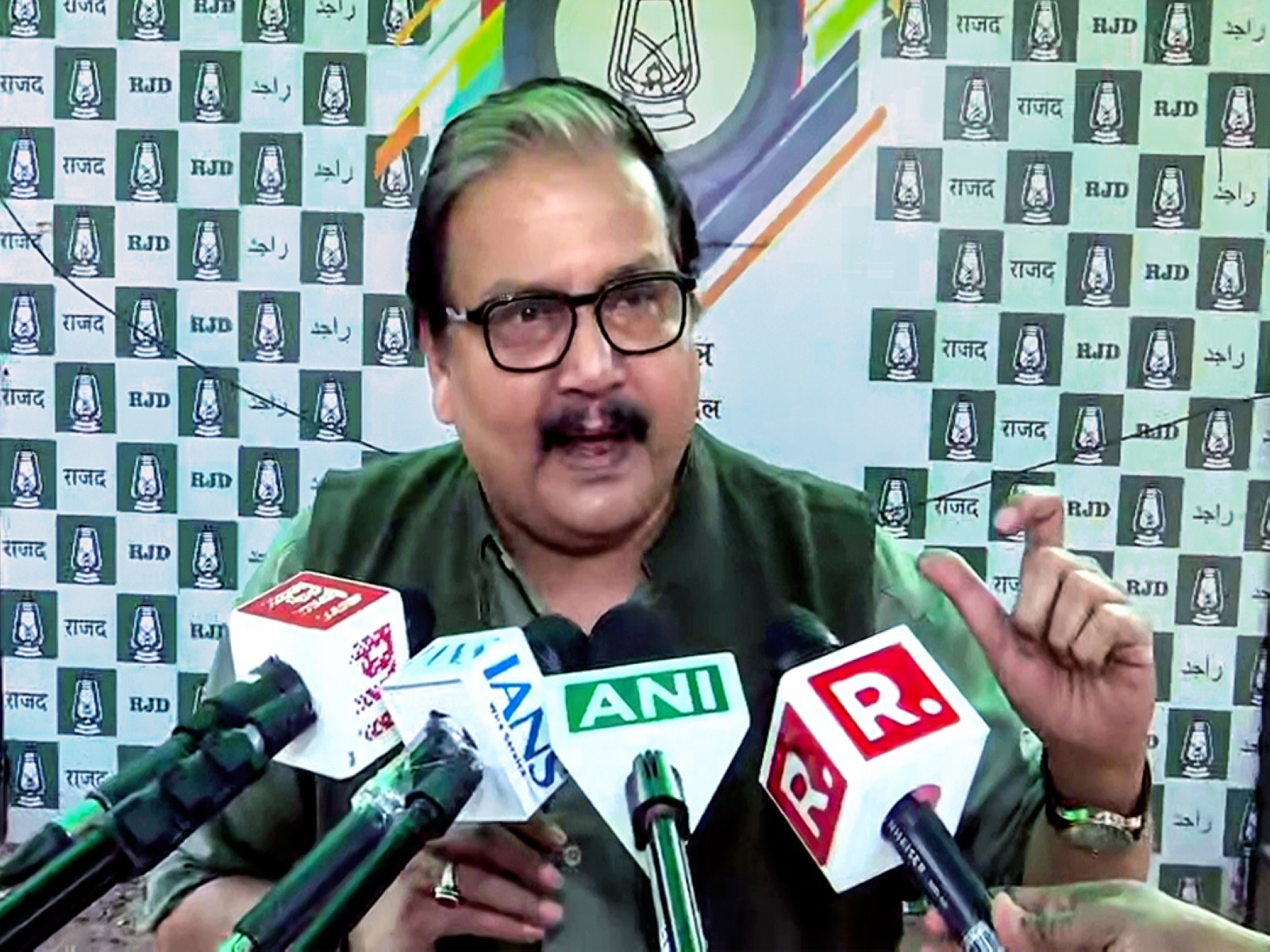
Rashtriya Janata Dal MP Manoj Jha has appealed directly to Prime Minister Narendra Modi for urgent government intervention to tackle growing complaints of exploitation in India’s gig economy. In a letter sent at the end of December, Jha said millions of platform delivery workers were suffering from deteriorating working conditions and the systematic denial of basic labour rights.
gig workers India face algorithmic control and low pay
Jha pointed to a nationwide flash strike by delivery workers on 25 December 2025 that affected services in cities including Delhi, Bengaluru, Hyderabad and Mumbai. He said the protest was not a spontaneous outburst but the result of prolonged grievances: falling per-order payments, unsafe work practices and the lack of any effective mechanism to raise complaints.
“Instead of engaging in dialogue on the workers’ legitimate demands, several platform companies have arbitrarily resorted to ID blocking, algorithmic penalties, and deactivation,” Jha wrote. He criticised business models that prize ultra-fast fulfilment, such as “10-minute delivery”, saying they push riders to work longer hours under intense time pressure while companies avoid employment responsibilities by treating workers as partners rather than staff.

The MP also highlighted the financial burdens that fall entirely on workers, including fuel, vehicle maintenance and medical costs after accidents. With earnings squeezed and control ceded to opaque algorithms, many delivery workers now face precarious incomes and heightened safety risks.
In Hyderabad, Telangana minister Vivek Venkatswamy expressed support for the workers’ demands and called on the central government to convene a roundtable between aggregators and gig workers. “Gig workers have no job security and no access to medical facilities. Their demands need to be looked into,” he said, underlining the cross-party concern on this issue.
Labour activists and worker collectives have for months sought clearer legal recognition and safeguards for gig workers. Key demands include transparent algorithms, meaningful grievance redressal, minimum per-order payments, social security contributions and protection against arbitrary account suspensions.
Policy experts say the challenge lies in balancing the rapid growth of digital platforms with basic labour protections. Regulators must consider whether current classifications that treat couriers and delivery partners as independent contractors remain appropriate when companies exert extensive operational control via app-based algorithms and performance penalties.
MP Jha urged a national approach, calling for a sensitive law specifically addressing gig and platform workers to ensure India’s digital economy rests on justice and dignity rather than an architecture of exploitation. He asked the prime minister to initiate consultations that could lead to statutory safeguards for pay, safety and social security.
How the central government will respond remains unclear. Industry groups typically warn that heavy-handed regulation could raise costs and reduce flexibility, while worker advocates stress the urgent human cost of inaction. A government-led roundtable, if convened, would need to reconcile these competing claims and produce practical measures that improve incomes and safety without undermining delivery networks.
For now, the debate highlights a growing national conversation about the rights of those at the frontline of India’s booming digital services sector and sets the stage for potential legislative reform early in the next parliamentary session.
Key Takeaways:
- RJD MP Manoj Jha has written to Prime Minister Narendra Modi demanding government action to stop exploitation of gig workers India.
- Delivery workers staged a nationwide flash strike on 25 December 2025 over falling incomes, unsafe conditions and algorithmic deactivations.
- Jha and Telangana minister Vivek Venkatswamy call for a roundtable and a national law to secure pay, safety and grievance redressal.








