Key Takeaways:
- President Droupadi Murmu has returned the Tamil Nadu University of Madras Amendment Bill to the state assembly for reconsideration.
- The bill aimed to transfer power to appoint and remove the vice-chancellor from the governor to the state government, replacing “chancellor” with “government” in the Act.
- Governor R N Ravi had earlier reserved the bill for presidential consideration, citing potential conflicts with UGC regulations and established norms for VC appointments.
- About 14 of 22 state universities, including the University of Madras, are operating under convenor committees amid vacancies for regular vice-chancellors.

Murmu Returns Tamil Nadu Varsity Amendment Bill
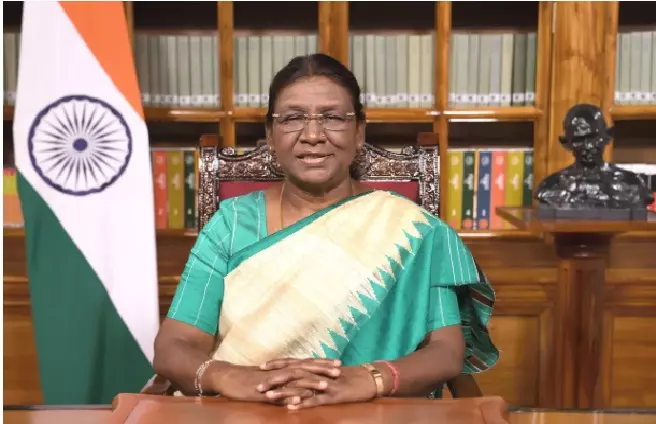
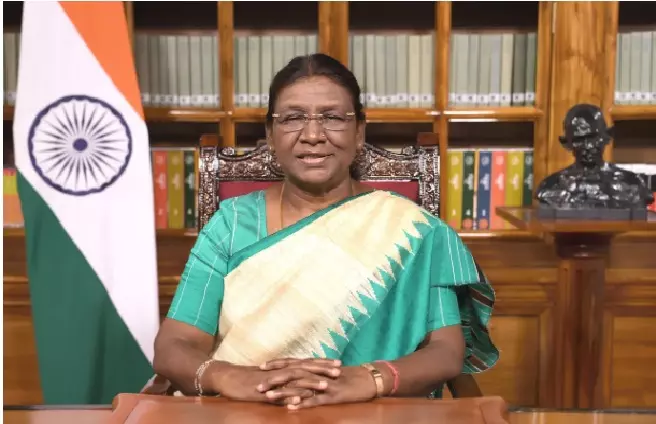
President Droupadi Murmu has returned the Tamil Nadu University of Madras Amendment Bill to the state assembly, asking lawmakers to reconsider provisions that would give the state government the power to appoint the university’s vice-chancellor. The move, announced by an official on Tuesday, marks a fresh hurdle for the state administration as it seeks to change long-standing appointment arrangements.
Tamil Nadu varsity amendment explained
The amendment passed by the Tamil Nadu Assembly in April 2022 proposed replacing the term “chancellor” with “government” in the University of Madras Act. Under current law the governor acts as the ex-officio chancellor and has the authority to appoint and remove the vice-chancellor. The amendment would transfer that authority to the state government, effectively allowing ministers and officials to select the university’s chief executive.
Governor R N Ravi had previously reserved the bill for presidential consideration, warning that the proposed change could conflict with University Grants Commission regulations and with established norms governing the appointment of vice-chancellors. Those concerns appear to have informed the President’s decision to return the measure for further consideration by the assembly.
The University of Madras, founded 168 years ago, has been functioning without a regular vice-chancellor for more than two years. Like many institutions in the state, it has been managed in the interim by convenor committees—around 14 out of 22 state universities are reportedly operating under similar arrangements. Proponents of the amendment argued the change would allow swifter appointments and greater state oversight; critics warned it could undermine institutional autonomy and raise regulatory issues.
By sending the bill back, the President has required the state legislature to revisit the measure and address the concerns raised at the governor and central levels. The assembly now faces the choice of amending the bill to accommodate the objections or reaffirming the original text and seeking further clarification from the centre.
Legal and higher-education specialists say the matter raises questions about the balance between state authority and regulatory frameworks established by national bodies such as the UGC. The UGC sets standards and procedures for universities across India, including norms for the selection of vice-chancellors, and any apparent inconsistency between state law and central regulation can invite scrutiny and potential legal challenge.
For the Stalin-led state government, which has pursued changes to governance of several institutions, the return of the bill is a political setback. It obliges ministers and legislators to revisit their position and to craft amendments that can withstand constitutional and regulatory review while addressing the practical problem of prolonged vacancies in senior university posts.
Practically, the outcome will affect how quickly the University of Madras and other affected institutions can fill their top leadership roles. If the assembly revises the bill to align with UGC norms or to clarify safeguards for institutional autonomy, the path to appointing a permanent vice-chancellor may be smoothed. If not, the dispute could move into the courts or prompt further intervention from the central government.
For now, the immediate consequence is procedural. The bill has been returned and the assembly must reconsider its provisions. Observers will watch whether lawmakers respond with amendments that reconcile state intent with national norms, or whether the standoff escalates into a broader legal and political contest over university governance in Tamil Nadu.