











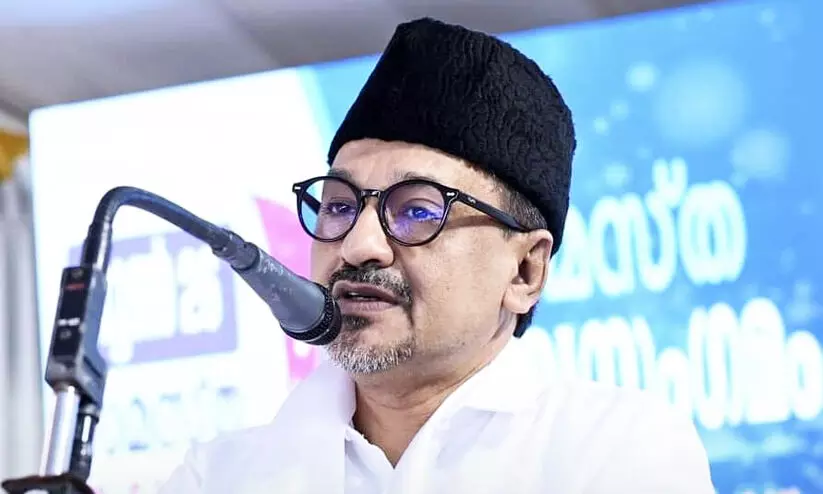
Malappuram, Kerala — The Indian Union Muslim League has signalled a clear shift towards youth-led politics as it prepares for the next legislative assembly elections, the party’s state president Panakkad Sadiq Ali Thangal said on New Year’s Day. He credited the party’s recent local election successes to the inclusion of younger candidates and new faces, and vowed that the party will continue to move with the times.
Speaking in Malappuram, a long-standing League stronghold, Mr Thangal said the party has deliberately opened opportunities to fresh entrants and that the results in recent panchayat, municipal and corporation polls vindicate that strategy. ‘The new generation is the future,’ he said, adding that young leaders are increasingly shaping local priorities and policy decisions.
The League’s approach involved replacing several long-serving candidates with newcomers in wards where incumbency had become entrenched. According to Mr Thangal, this led to tangible changes in the councils where young representatives won: they pursued projects tailored to present-day needs, introduced new development schemes and adopted a different style of governance from traditional practices.

Muslim League youth in India reshaping party politics
Local election results in Malappuram district saw many of the League’s young nominees return to office with comfortable margins, allowing the party to secure leadership in a majority of local bodies in the district. Party officials say the youthful presence helped modernise planning and execution, and improved engagement with younger voters, who constitute a significant share of India’s population.
Mr Thangal emphasised that India is a young country and the party must reflect that demographic reality. By offering candidacies to fresh faces rather than consistently nominating repeat contenders, the League intended to broaden its appeal and energise its organisational base. He maintained that the strategy was not merely symbolic: new leaders brought practical ideas that appealed to communities seeking faster, more contemporary development solutions.
Analysts note that rejuvenation can offer electoral advantages beyond immediate wins. Fresh candidates may connect better with first-time voters, adopt digital campaigning techniques more readily, and introduce innovative local initiatives. In Malappuram, the League’s investments in youth candidates appear to have translated into administrative control in several key local councils, strengthening its grassroots position.
Party insiders say the next challenge will be to sustain momentum heading into the state assembly polls. That will require continued candidate scouting, training for governance roles, and clear policy platforms that align with voters’ expectations. The League’s leadership has indicated it will continue to test new talent in upcoming contests while balancing experience and continuity where necessary.
For now, the party frames recent results as confirmation that giving opportunities to a younger generation has paid dividends. With local governance positions now held by a mix of experienced figures and new leaders, the Muslim League in Kerala is betting that a youthful, pragmatic approach will help it remain relevant and competitive in the changing political environment.
Key Takeaways:
- Muslim League in Malappuram emphasises youth inclusion after strong local election results.
- Party leadership says young candidates and new faces drove recent victories and will be prioritised in state polls.
- Rejuvenation led to fresh development ideas and organisational change in several panchayats.








