











Key Takeaways:
- Najib conviction Malaysia signals renewed faith in legal accountability after a high-profile corruption verdict.
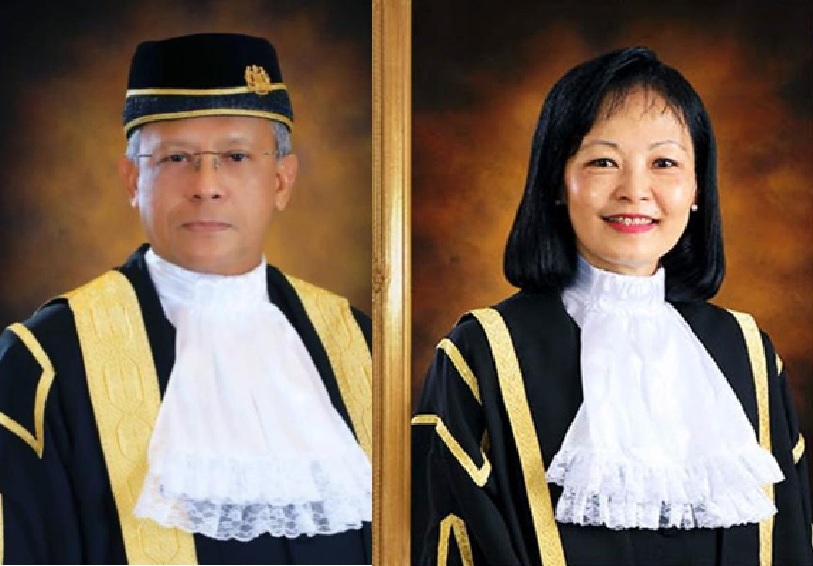
- Judges Collin Sequerah and Alice Loke praised for rigorous, evidence-based rulings that showed the law still functions.
- The piece warns that systemic reform and sustained vigilance are needed to prevent a return to impunity.

The guilty verdict and 15-year sentence for former prime minister Najib Razak has produced a rare moment of cautious optimism in Malaysia. The ruling, handed down by judges who examined extensive evidence and rejected attempts to sidestep custody, is being read by many as proof that the justice system can still hold even the most powerful to account.
Najib conviction Malaysia and the judiciary
Judges Collin Sequerah and Alice Loke received particular praise for their careful reasoning and firmness. Their decisions, observers say, demonstrate that the courts retain independence and the capacity to apply the law irrespective of political standing. For citizens wearied by years of scandals and unresolved cases, the verdict is less about punishment for one man and more about the restoration of institutional credibility.
Najib’s case is a high-water mark because of the scale of the allegations and the public interest that followed the 1MDB revelations. The scandal exposed weaknesses in oversight across government, banking and enforcement agencies. Much of the evidence that brought the crisis to light came from investigative journalism and cross-border cooperation, rather than timely action by domestic watchdogs. That failure has left a legacy of mistrust.
Beyond Najib, the article highlights other unresolved tragedies and disappearances that have eroded public confidence in the police and prosecutorial systems. Cases such as the vanishings of Pastor Raymond Koh and Amri Che Mat, and the death of Teoh Beng Hock, remain in the public memory as reminders that accountability has not been consistent. Critics argue that patterns of impunity and opaque processes have created a deep institutional crisis that must be remedied.
The prosecution team in Najib’s trial was widely praised for its skill, but the author asks an important question: why was the same determination not evident in other high-profile cases? A selective application of justice risks turning one significant conviction into a fleeting triumph rather than the start of lasting reform. The recent decision involving a senior political figure who retains office despite unresolved charges is cited as evidence of the uneven pursuit of accountability.
What follows must be constructive and practical. The piece calls for a comprehensive strengthening of rules, procedures and oversight mechanisms. It urges clearer duties for public officeholders, stronger checks and balances, and more robust enforcement so that no official can assume exemption from the law. Restoring trust, the author argues, will require sustained effort from institutions, civil society and political leaders.
For now, the verdict provides a moment of reprieve and a reason for guarded celebration. The author emphasises that hope must be followed by vigilance. If authorities and the public allow the momentum to fade, this conviction will be remembered as a brief flash rather than the beginning of systemic change. As the new year begins, the piece closes with a call to make this a genuine turning point for Malaysia’s governance and rule of law.








