











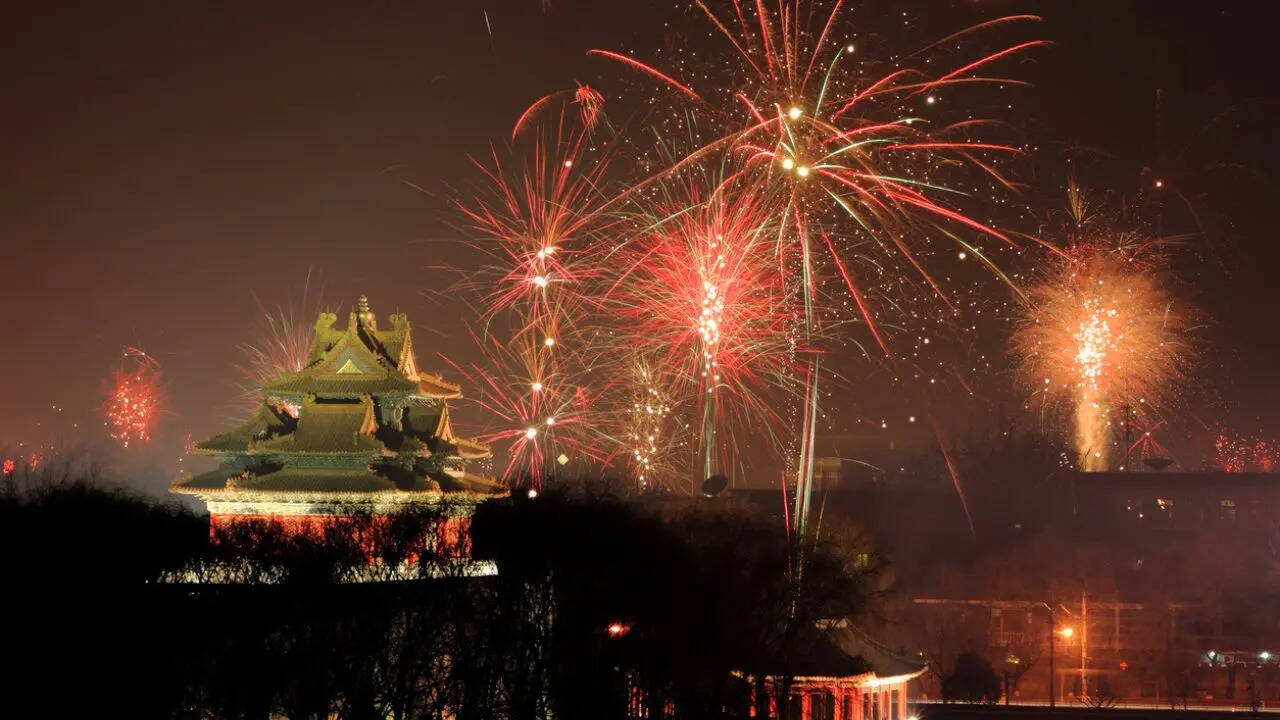
January 1 is a global benchmark for the calendar year in many countries, but for large portions of the world the new year arrives on very different dates and in very different ways. From multi-day festivals in East Asia to quiet days of reflection across Muslim-majority nations, New Year celebrations reveal how history, religion and local calendars shape public life.
New Year celebrations around the world
In China the New Year falls between late January and early February according to the lunar calendar, with dates varying each year. The festival often stretches into a 15-day period of family reunions, public performances and ritual observances. Red lanterns, dragon dances and communal meals mark the start of spring in the Chinese calendar, and each year is associated with a zodiac animal that forms part of popular cultural commentary.
South Korea’s Seollal follows a similar lunar schedule and typically occurs in January or February. Seollal is a three-day family event centred on ancestral rites, traditional games and ceremonial dishes. Eating tteokguk, a rice cake soup, is a customary way to mark the passage into a new year and symbolically add another year to one’s age. The emphasis is on family, continuity and respect for elders.

In Indonesia the Balinese New Year, Nyepi, takes a markedly different approach. Nyepi is a day of silence observed island-wide in Bali. Authorities impose a strict 24-hour moratorium on travel, entertainment and work so residents may engage in reflection and self-restraint. The island stages loud, theatrical parades the night before to ward off malevolent spirits, followed by a day of near-complete stillness.
Thailand’s Songkran, which usually falls on 13–15 April, is famed for its exuberant water rituals. Traditionally intended to symbolically wash away misfortune, the modern observance has evolved into nationwide street celebrations where people throw water, sprinkle scented water on hands and pay respects to elders. The holiday attracts large numbers of visitors and is a significant event for tourism across the region.
The Islamic New Year, observed in many Muslim-majority countries including several BRICS+ members, follows the Hijri lunar calendar and shifts by roughly 11 days each year. The occasion is generally modest and contemplative; communities emphasise prayer, remembrance and private reflection rather than public revelry. Dates vary each year depending on moon sightings.
These diverse practices underline how calendar systems, religion and historical customs determine when and how people observe the new year. For travellers and businesses operating across BRICS+ nations and partner states, awareness of these differences matters for planning, public services and cultural sensitivity. Whether a nation marks the new year with fireworks, water fights or silence, the observances provide a window into local values and collective identity.
As global connections deepen, these festivals also present opportunities for cultural exchange and tourism. Many governments and local authorities promote traditional events to international audiences, while diasporas carry rituals to new locales. Knowing when New Year celebrations occur can enrich travel plans and foster respectful engagement with communities across BRICS+ countries and their partners.
Key Takeaways:
- New Year celebrations vary widely across BRICS+ nations and partners, reflecting lunar calendars, ancient customs and regional faiths.
- China and Indonesia mark the year with multi-day traditions; Thailand’s Songkran turns streets into national water festivities.
- Religious observances such as the Islamic New Year are quiet and reflective, shifting annually with the lunar calendar.








