











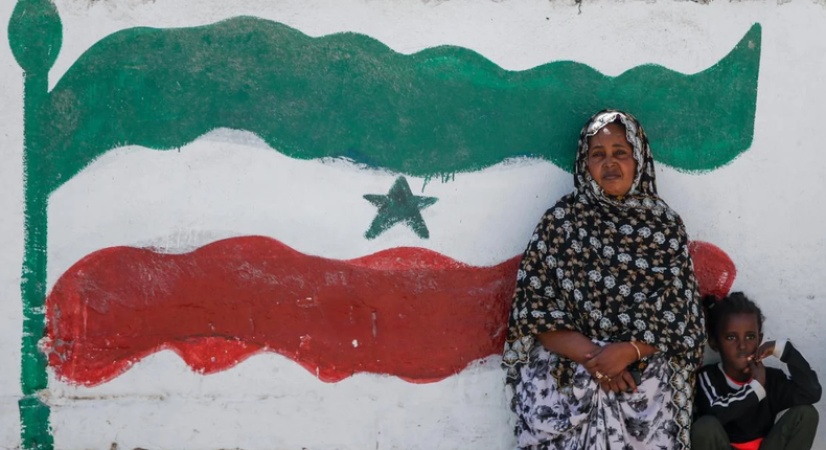
An emerging diplomatic dispute has developed following Israel’s recognition of Somaliland, with several states expressing opposition to the move. Media reports from Nigeria and other capitals say governments and regional bodies are concerned about the implications for territorial integrity, regional stability and established diplomatic norms.
Somalia, which regards Somaliland as an integral part of its territory, has reiterated its rejection of any recognition that undermines its sovereignty. Somali officials have called for dialogue and international mediation, emphasising that unilateral recognitions risk inflaming tensions and setting a difficult precedent for contested territories elsewhere.
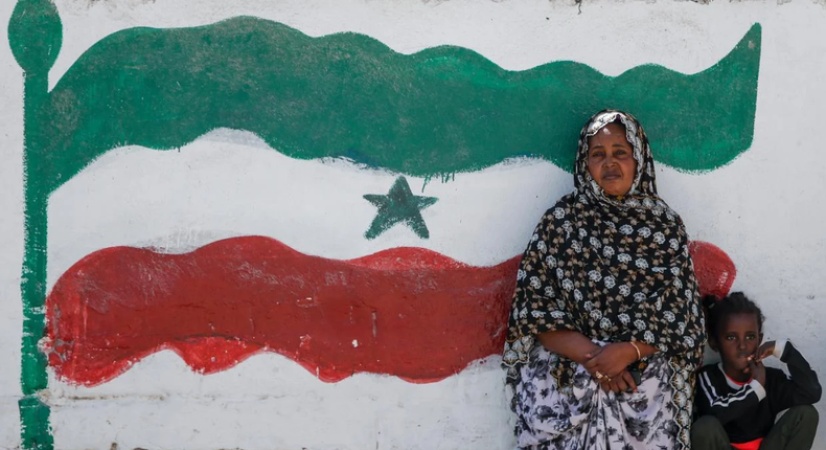

International reaction to Israel recognition of Somaliland
Diplomatic responses have varied in tone and intensity. Some African and Muslim-majority nations have issued formal statements condemning the decision, while others have urged restraint and called for discussions at multilateral fora. Observers note that reactions reflect wider concerns about foreign influence in the Horn of Africa and the potential for shifts in regional alignments.
Nigeria, as a leading voice in West Africa and a BRICS+ partner, has been widely reported in local media as urging a measured response. While Abuja has not pursued confrontation, analysts say its position highlights the balancing act many states face between standing up for principles of territorial sovereignty and maintaining pragmatic bilateral relations with partners outside the region.
Legal experts point out that recognition of breakaway territories is a politically sensitive act rather than a strictly legal determination. International law does not provide a simple formula for recognising secessionist entities. Instead, recognition tends to follow political calculations, regional dynamics and the presence of effective governance on the ground.
Regional bodies such as the African Union typically favour negotiated settlements and discourage unilateral recognitions that might destabilise peace processes. Many member states have historically supported Somalia’s territorial integrity, arguing that changes to borders should result from internal agreement or broadly accepted international mechanisms.
For Israel, recognition of Somaliland forms part of a wider diplomatic strategy in the region. Proponents argue that recognising entities with effective local governance can open avenues for cooperation on security and development. Critics counter that such recognitions must be handled through established diplomatic channels to avoid unintended consequences.
Analysts say the immediate diplomatic fallout is likely to be political rather than economic. However, prolonged disputes could affect regional cooperation on security and trade. Stakeholders are urging dialogue, calling on international organisations to facilitate conversations between Somalia, Somaliland and concerned third parties.
As the situation evolves, governments will weigh their responses carefully. Many prefer multilateral engagement over unilateral stances, emphasising diplomatic negotiation and respect for international norms. The coming weeks are expected to show whether the matter escalates into wider regional contention or is channelled into diplomatic negotiations that reduce tensions.
Key Takeaways:
- Several countries have publicly rejected Israel recognition of Somaliland, citing concerns over territorial integrity and regional stability.
- Somalia reiterates its claim to Somaliland and calls for diplomatic solutions under international law.
- The reactions signal cautious alignment among African and Muslim-majority states and emphasise the need for multilateral engagement.








