











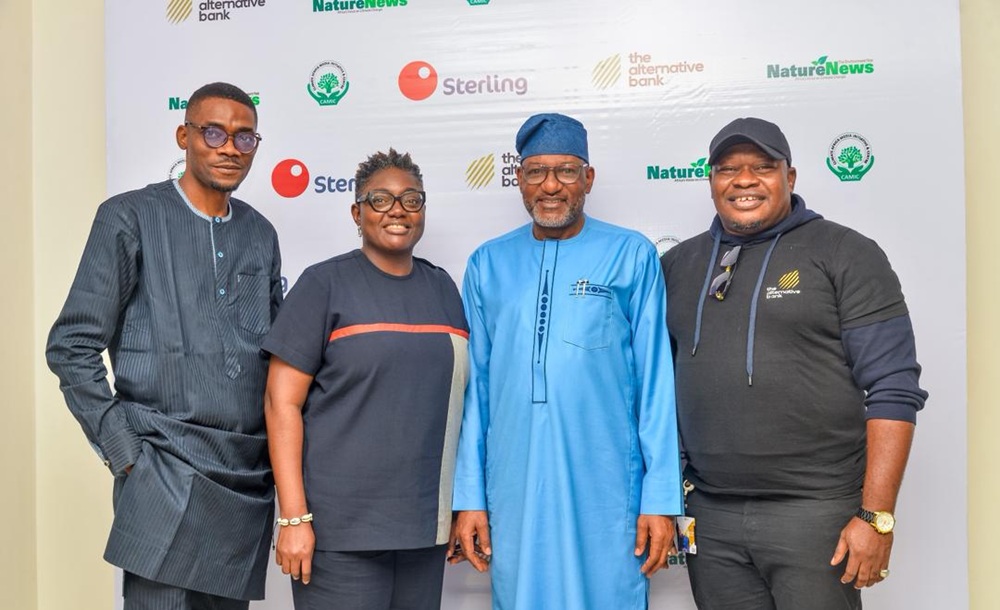
The Alternative Bank has completed a two-day capacity-building programme in Abuja that trained 60 senior editors and media executives to improve sustainability coverage across Nigeria. Held as part of the 2025 National Sustainability Week, the sessions aimed to reposition the media as an active driver of national development rather than a passive observer.
Sustainability reporting Nigeria and media accountability
Participants attended workshops under the theme “Storytelling for Good: Reporting Sustainability, Innovation & Nigeria’s Future”. The programme addressed gaps in public discourse that can affect investment decisions, policy engagement and long-term growth, with a particular focus on climate-related reporting and innovation narratives that highlight Nigeria’s development potential.
Speakers included representatives from NatureNews Africa and the Climate Africa Media Initiative & Centre (CAMIC), veteran media executives and policy figures. Bunmi Ajiboye, chairperson of the Sterling Sustainability Working Group, outlined her organisation’s priorities and urged senior editors to hold both public and private actors to account.

“The real power of sustainability lies in accountability,” Ajiboye said, stressing that when journalists understand the substance behind sustainability initiatives, corporate efforts move beyond marketing to measurable commitments. She called on the media to probe Corporate Social Investments and report on their outcomes as a way to foster systemic change.
Solomon Okonkwo, head of Corporate Social Investment at The Alternative Bank, described the training as part of the bank’s wider commitment to strengthening the media sector. He emphasised the inclusion of modules on artificial intelligence and financial sustainability to help newsrooms adapt to technological shifts and funding challenges.
“We are at a crossroads where innovation and climate urgency meet,” Okonkwo said. “By integrating AI and financial sustainability into the curriculum, we are helping the Nigerian media future-proof its operations and ensure that truth and science guide public debate on development opportunities.”
The curriculum covered practical skills in climate and sustainability communication, storytelling for impact and business models for media sustainability. Facilitators included Pius Alabi of NatureNews Africa and CAMIC, Dr Jamila Dahiru, former Bauchi State Commissioner of Education, veteran media executive Akogun Isiaq Ajibola, Victoria Bamas of ICIR and FactCheckHub, and Aliu Akoshile, CEO of Almak Media.
Organisers stressed that the training arrives at a critical moment. Nigeria faces significant economic and environmental pressures, and international narratives often underplay the country’s potential. Strengthening the capacity of senior editors to report on sustainability can influence domestic policy, attract responsible investment and raise public awareness of long-term resilience measures.
Alongside the workshops, the National Sustainability Week hosted a Sustainability Series Campaign, a national secondary school essay competition and nationwide clean-up exercises. The training also established a closed sustainability media community to encourage ongoing collaboration among participants and ensure that sustainability and innovation reporting remain a consistent priority.
By equipping senior editors with clearer reporting tools and sector knowledge, The Alternative Bank and its partners aim to create a media ecosystem where accurate, evidence-based coverage of sustainability informs public debate. Organisers expect the initiative to yield stronger accountability across corporate and government sustainability efforts and to produce richer, more constructive coverage of Nigeria’s transition to a greener, more innovative economy.
Key Takeaways:
- Alternative Bank trained 60 senior editors in Abuja to strengthen sustainability reporting Nigeria and reshape national discourse.
- Programme covered climate communication, storytelling for impact, AI and financial sustainability for media management.
- Speakers from NatureNews, CAMIC and corporate sustainability groups urged greater accountability in corporate and public reporting.
- Participants committed to a closed sustainability media community to sustain collaboration and improve coverage.








