











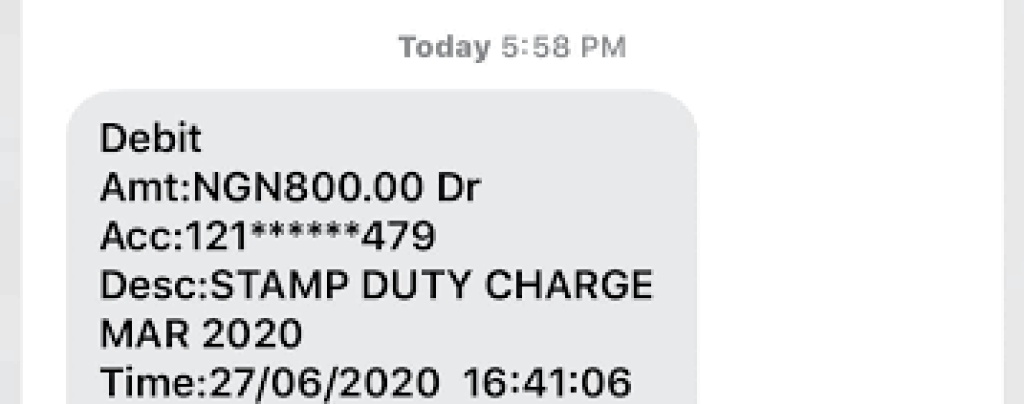
Banks across Nigeria will begin levying a N50 stamp duty on electronic transfers above N10,000 from 1 January, a move that will directly increase the cost of many everyday transactions for consumers and businesses. Financial institutions are updating systems and notifying customers as the deadline approaches.
Nigeria stamp duty: what customers need to know
The fee will be applied at the point of transaction for transfers that exceed N10,000. Banks have been instructed to debit the charge alongside the transfer amount. Industry sources say the measure follows a government directive aimed at widening the tax base and boosting non-oil revenue, although official statements from regulators were not immediately available.
For many account holders this will translate into higher costs for regular payments such as bills, vendor remittances and peer to peer transfers. A N50 deduction may appear small on a single transaction, but for households and small enterprises that make frequent transfers the charges will accumulate over time.

Consumer groups have expressed concern that the levy could discourage the use of formal digital payment channels. “Any additional cost on transfers risks pushing lower value transactions back to cash where they are harder to trace and tax,” said a representative of a civic finance network. Businesses that rely on high-volume, low-value payments fear margins will be squeezed.
Banks, for their part, are focusing on technical readiness. Several lenders have issued customer notices detailing the change and their plans to implement the collection. Payment processors and fintech firms are also adjusting their platforms to ensure the stamp duty is applied correctly and reported for compliance.
Revenue rationale and wider implications
Authorities view the measure as a straightforward means to increase state receipts without broadening standard tax rates. Stamp duties are commonly used in many jurisdictions to tax certain financial transactions and documentations. Proponents argue the charge is simple to administer and can raise predictable revenue.
Critics counter that the policy may have unintended consequences. By increasing the cost of digital transfers, the levy could slow the pace of financial inclusion and dampen growth in electronic payments. Market analysts warn it could also increase operational friction for fintech companies that have helped expand access to banking services in recent years.
There is also the question of fairness. While a flat N50 charge affects many transactions equally, it represents a higher proportionate burden for low-value transfers. Observers say policymakers will need to monitor how the levy impacts different income groups and business sizes, and whether exemptions or thresholds are necessary to protect vulnerable users.
What happens next
With implementation days away, banks are expected to finalise customer communications and call centre scripts to handle enquiries. Regulators and revenue authorities may issue additional guidance on reporting and remittance of proceeds once the measure is in force.
For consumers the immediate task is to review account activity and assess the impact on monthly spending. Small business owners should factor the charge into cashflow forecasts and pricing where appropriate. As the new year opens, the policy will test the balance between revenue needs and the goal of broadening electronic payments across the economy.
Key Takeaways:
- Banks in Nigeria will collect a N50 stamp duty on electronic transfers above N10,000 from January 1.
- The Nigeria stamp duty will add to transaction costs for consumers and small businesses and may affect digital payment adoption.
- Authorities say the charge will bolster government revenue while industry groups prepare systems updates ahead of implementation.








