











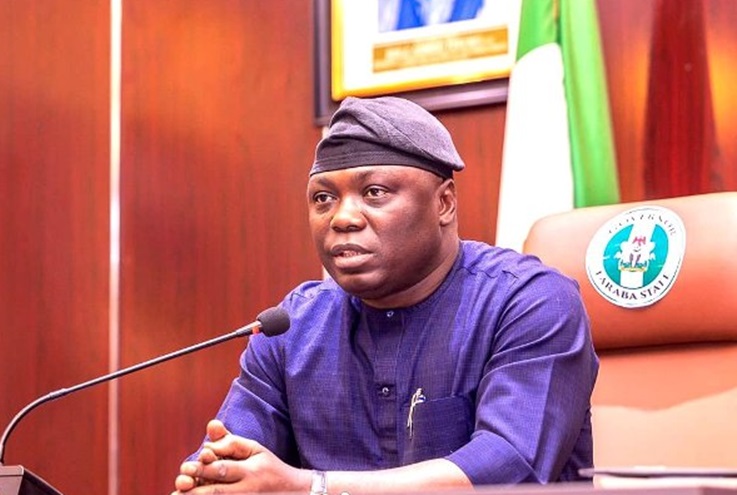
As Nigeria moves into 2026, Taraba state is preparing for a year of consolidation and delivery under Governor Agbu Kefas. After two years of deliberate planning and structural reforms, the administration says 2026 will be when long-term projects begin to show tangible results for residents across security, education, health and infrastructure.
Governor Kefas Taraba 2026
Governor Kefas entered office with an explicit aim to transform Taraba from a primarily rural state into one with stronger economic prospects and improved public services. Officials and supporters argue that what appeared to be slow progress in the early years was a necessary phase of institutional redesign and groundwork that will enable sustainable growth.
Security has been a central focus. State authorities point to a strengthened security architecture established over the past year, which officials say has restored confidence in many communities. That stability is credited with allowing other sectors to expand without the constant disruption of insecurity.

Education reforms remain high on the agenda. The state continues to provide free primary and secondary education while subsidising tertiary fees so university students pay half of tuition costs. In 2026 the government will operationalise two new ministries to hone delivery: one for tertiary education and another for pre-primary and secondary schooling. Authorities expect these changes to position Taraba as a regional education hub.
Health services have seen targeted investments, with mobile hospitals and ambulances deployed to rural areas to reduce medical travel to neighbouring states. Work on a University Teaching Hospital in Wukari and upgrades to other health facilities are intended to raise local capacity and improve access across the state.
Infrastructure work scheduled to accelerate in 2026 includes a major road programme launched in late 2025. Contractors mobilised after detailed surveys will focus on durable pavements and bridges designed to withstand heavy seasonal loads. Transport upgrades also include continued expansion at Jalingo’s Danbaba Suntai airport and the opening of commercial operations at TY Danjuma Airport in Kashimbilla, actions expected to boost internal connectivity and support commerce.
Agriculture policy has concentrated on mechanisation and credit support. More than 100 tractors were imported to kickstart tractorisation, and new finance agencies and partnerships are set to scale input supply and loans to farmers. Officials say improved farm safety and mechanised planting will lift productivity and strengthen food security.
The governor has placed emphasis on the development of Taraba’s solid minerals. After two years of geological mapping and stakeholder engagement, the state plans to move from appraisal to commercial exploration in 2026, a step that could broaden revenue streams if managed transparently and sustainably.
On labour issues, the administration has prioritised prompt payment of pensions and gratuities long outstanding in the state. Restoring entitlements and investing in staff training form part of efforts to stabilise the civil service and improve delivery of public programmes.
Officials and local partners say the coming months will be a test of whether careful planning yields measurable improvements on the ground. For residents of Taraba, the promise is that 2026 will be a year when strategic investments begin to translate into everyday benefits.
Key Takeaways:
- Governor Kefas has laid foundations for security, education and health ahead of a decisive 2026.
- Governor Kefas Taraba 2026 will see roads, airports and agricultural programmes move from planning to delivery.
- Reforms in solid minerals and workers’ entitlements aim to boost revenue and public sector morale.








