











Key Takeaways:
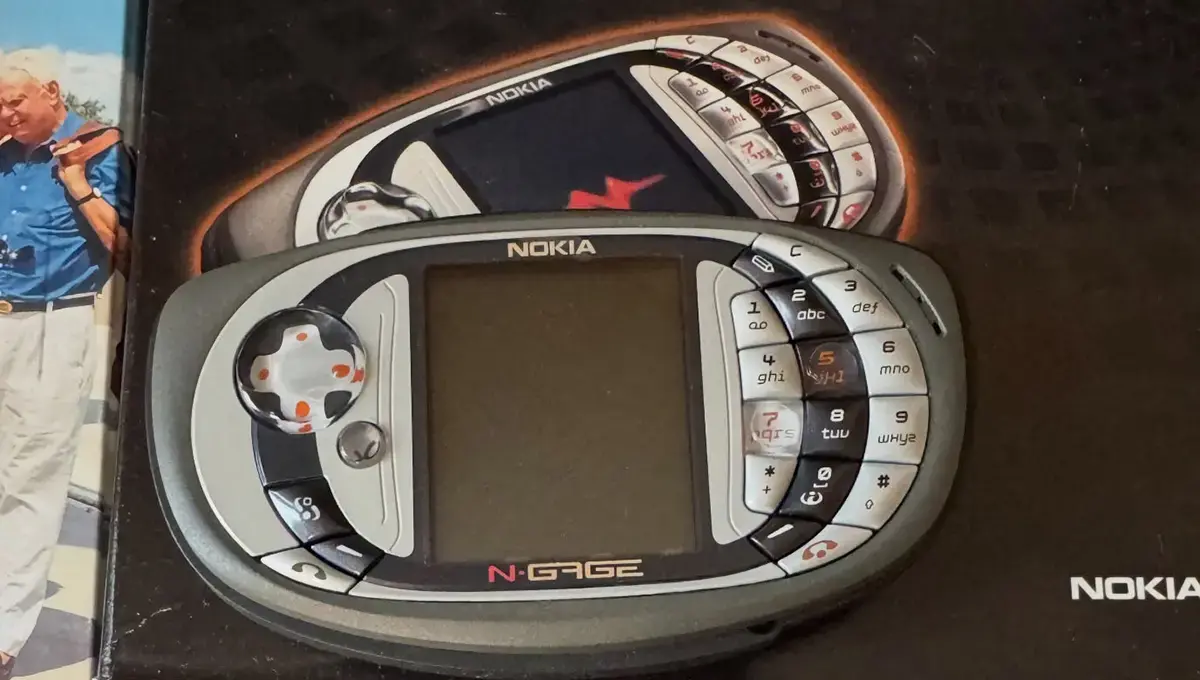
- Celebrating the design and durability of Nokia classic phones, including the N‑Gage QD and the 3650.
- How Nokia blended gaming, telephony and ergonomics to appeal to varied users.
- The enduring reputation for strong reception, long battery life and simplicity of use.

From handheld gaming to distinctive shapes, a look back at Nokia’s most memorable devices
Nokia’s classic phones have resurfaced in public memory as symbols of an era when manufacturers prioritised inventive hardware and practical design. Once dominant in the global mobile market, Nokia produced models that combined durability, simplicity and occasionally bold experimentation. Devices such as the N‑Gage QD, the 3650 with its circular dial, the sliding 7650 and the leaf‑shaped 7610 remain notable for their character as much as their functionality.
Legacy of Nokia classic phones
The most immediate legacy of these devices is how they balanced lifestyle features with reliable core performance. In the early 2000s Nokia led efforts to reach young users through the N‑Gage line, a hybrid that merged a handheld gaming console with a mobile phone. The N‑Gage QD was a revised, more compact version that attempted to correct early design flaws while keeping an emphasis on playability. For many users this combination marked an early attempt to broaden the role of a phone beyond voice and text.
Beyond gaming, Nokia pursued a wide range of form factors. The 3650’s circular keypad, for example, stood out against numbers pads of the time. Sliding mechanisms such as the 7650 introduced efficient screen‑to‑keyboard transitions without compromising build quality. The 7610’s organic, leaf‑like silhouette showed how manufacturers experimented with ergonomics and visual identity. Today these designs are sought after by collectors who prize the tangible qualities of older hardware.
Design and practical strengths
Nokia’s broad appeal rested on several consistent strengths: dependable reception, long battery life and straightforward user interfaces. These elements turned phones into trusted daily tools. In markets where signal strength varied, reliable antenna performance mattered. Where access to charging could be limited, devices with extended battery life offered a genuine advantage. Simplicity of operation also reduced friction for users new to mobile technology.
Many contemporary smartphone makers cite user experience as a priority, but Nokia’s approach was distinctly hardware‑centred. The company focused on robust casing, tactile keys and battery endurance, creating devices that lasted both in use and in memory. That legacy influences collectors and designers who look back for cues on building products that combine personality with practicality.
Why these phones still matter
Although today’s market is dominated by full‑touch smartphones, the story of Nokia classic phones is more than nostalgia. It is a reminder that innovation can take many forms: an experimental gaming phone, an unusual keypad layout or a shape engineered for comfort. These efforts helped set expectations about mobile reliability and accessibility that persist in modern device development.
For many users the most enduring feature remains the brand’s original promise to connect people simply and effectively. That straightforward ambition translated into devices that were easy to use, widely available and reassuringly sturdy. As the industry continues to evolve, the lessons from those early designs retain value for anyone interested in the intersection of form, function and user experience.








