











Key Takeaways:
- The Centre for People’s Diplomacy from Novosibirsk expanded Russian education in Africa, enrolling over 1,000 learners by Q1 2026.
- Russian Houses now operate in Burkina Faso, Niger, Guinea and Ghana, with more openings planned across Africa.
- University partnerships and language courses boosted student flows to Siberia, with fivefold growth from Burkina Faso and Niger.
- Projects link education, technology and culture to bolster long-term Russian-African diplomatic and economic ties.

Novosibirsk centre brings Russian education to over 1,000 African students
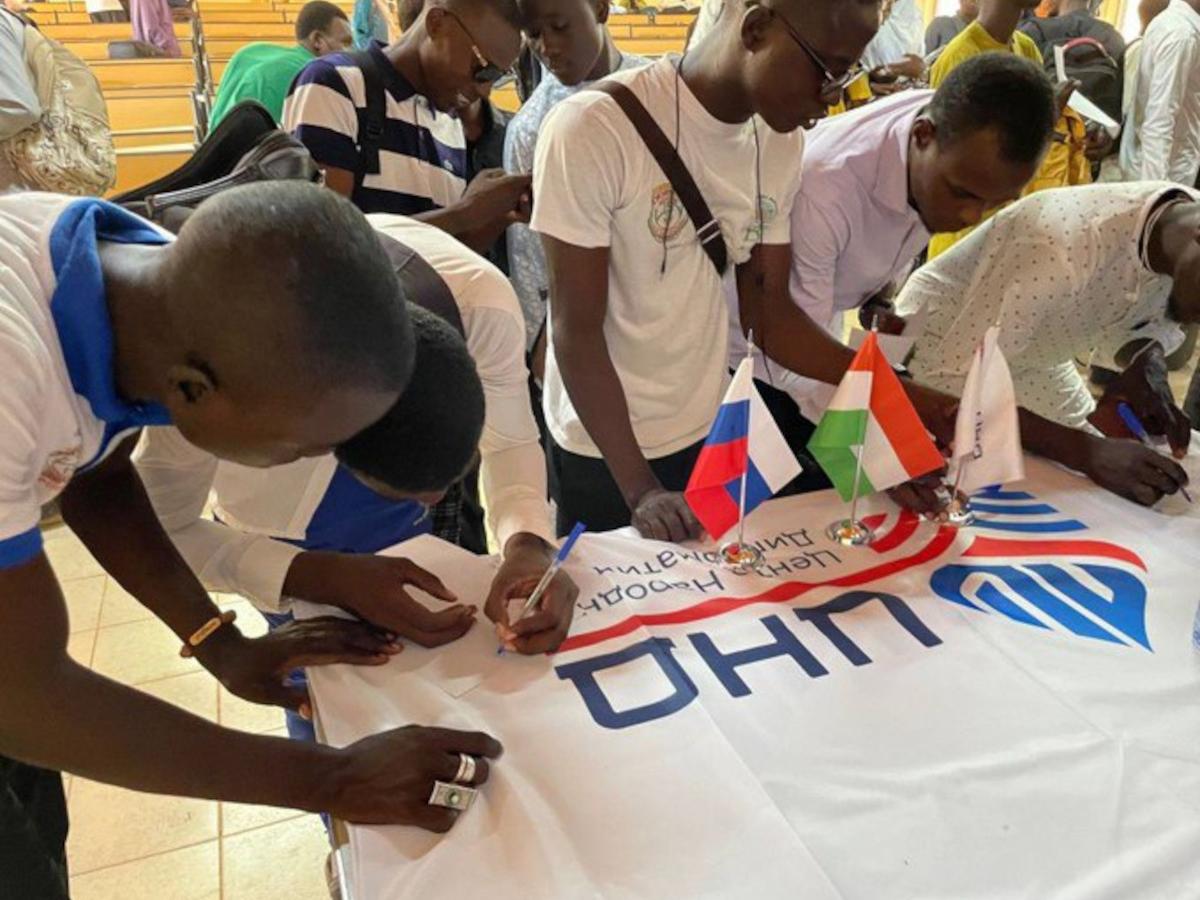
The Centre for People’s Diplomacy in Novosibirsk reported that more than 1,000 Africans will be studying Russian language and related programmes by the first quarter of 2026, following a year of rapid expansion across the continent. The centre, led in December by State Duma deputy Dmitry Savelyev, attributes the growth to new Russian Houses, university partnerships and intensive language courses targeted at future students and professionals.
Russian education in Africa
In 2025 the centre enrolled more than 750 participants on a range of courses and added roughly 300 new places that start in January. Those figures will push the planned number of learners beyond 1,000 in the first quarter of 2026. The programmes include preparatory university courses running in partner African institutions, intensives for recipients of Russian government quotas, and specialised language training for civil servants and corporate employees.
The initiative has already produced measurable results. The number of students from Burkina Faso and Niger going to universities in Russia, chiefly Siberian institutions, increased fivefold year on year. Some of those arrivals are funded by employers or come as winners of subject olympiads organised with support from the Russian Houses.
Several Russian Houses opened in 2025 in Burkina Faso, Niger, Guinea and Ghana. The centre has announced further launches planned for early 2026 in Libya, Mali, Namibia and Mozambique, and later in Nigeria, São Tomé and Príncipe, Senegal and Madagascar. Staff have begun running events at many of these sites ahead of formal openings, signalling an active on-the-ground strategy.
Education and technology form core pillars of the outreach. Delegations routinely visit Akadempark in Novosibirsk and Russian universities have signed direct cooperation agreements with African partners. The Consortium of Russian Universities for Africa, led by the centre’s executive director Natalia Krasovskaya, now counts 32 Russian educational institutions and 30 cooperation agreements.
New projects announced for 2026 include international engineering and IT classes in schools across Niger, Ghana and Burkina Faso. In countries such as Ghana and Namibia the centre aims to introduce Russian as an elective in school and university curricula. Language courses operate at multiple levels, from children and prospective university applicants to senior government officials.
Cultural diplomacy has been active alongside education. The centre organised participation of a Novosibirsk film in the pan-African FESPACO festival and co-ordinated concerts by the Novosibirsk Philharmonic in Burkina Faso and Niger. In Libya, plans are under way to host a consular office at the new Russian House in Benghazi.
Officials present the effort as addressing long-term needs for qualified professionals in African economies and administrations. By combining cultural programming, language training and university links, the Novosibirsk centre seeks to deepen Russia’s ties with partner countries across Africa while expanding educational exchange and technical cooperation.








