











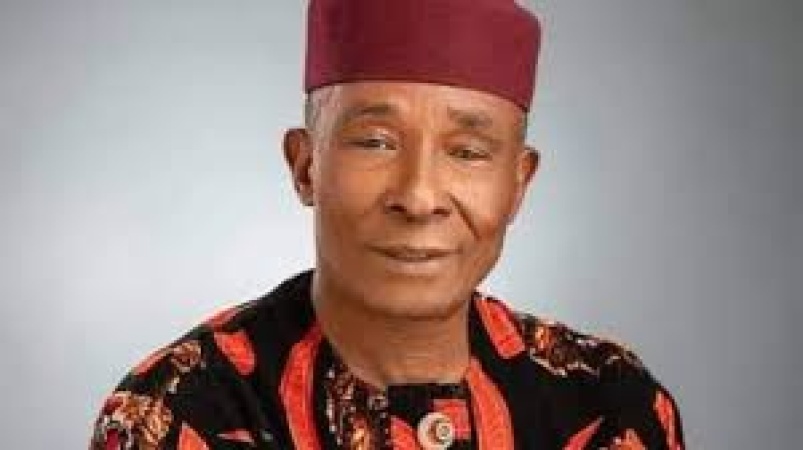
Reports that Obi and Umeh have pitched their tents with the African Democratic Congress have prompted a positive reaction from Nwosu, who described the move as a welcome development for opposition unity. Party officials and political analysts say the alignment could alter the dynamics of opposition politics in several states and add weight to a broader campaign of coordination ahead of forthcoming elections.
The African Democratic Congress has grown steadily in recent years, carving out pockets of influence at state level and presenting itself as an alternative to the traditional party hierarchy. For prominent figures such as Obi and Umeh to attach themselves to the ADC is significant. It signals both confidence in the party’s organisational capacity and a willingness to pursue new tactical alliances.
Sources close to the parties involved confirmed the alignment to local media, noting that talks with ADC leaders focused on shared political aims and practical arrangements for grassroots mobilisation. Nwosu, who has been vocal about the need for a united opposition front, welcomed the development and urged supporters to view it as a step towards greater coordination among opposition forces.

Obi Umeh ADC: What the Move Means
The arrival of high-profile figures can bring fresh energy and visibility to a smaller party. For ADC, the association offers increased access to local networks, campaign resources and a higher media profile. For Obi and Umeh, it provides an existing platform with established structures in several constituencies, which could be valuable for candidate selection and voter outreach.
Political analysts emphasise that the practical effect of the alignment will depend on how quickly the parties translate headline announcements into concrete plans. Key tests will include joint campaign events, agreed candidate lists in constituencies where alignments make sense, and coordinated messaging on policy priorities. If those steps follow, the alliance may produce measurable gains at the ballot box.
Regional considerations also matter. ADC’s strength varies by state, and where it already has a foothold, the new alignment could consolidate votes that might otherwise be split. That is particularly relevant in closely contested areas where even small shifts in support can change electoral outcomes. Observers say the move may prompt other smaller parties and independent actors to reconsider their positions and seek similar arrangements.
There are risks as well. Merging distinct political brands can lead to friction over leadership roles and candidate selection. ADC leaders will need to manage expectations and prevent internal disputes from undermining any strategic advantage. Transparent negotiation and clear agreements on governance will be essential to sustain the partnership beyond an initial announcement.
For Nwosu, publicly applauding the decision reflects a broader push for cooperation among opposition figures. Whether that encouragement translates into a durable coalition will depend on follow-through. In the short term, the alliance has achieved a media coup and created a narrative of momentum that ADC and its new associates can leverage.
As events unfold, attention will turn to the practical mechanics of the partnership. Voters, party activists and rival parties will all be watching to see if the arrangement yields coordinated campaigns and agreed electoral strategies. If it does, the ADC may find itself at the centre of an emergent opposition realignment with implications for state and national contests.
Key Takeaways:
- Obi and Umeh have reportedly aligned with the African Democratic Congress, a notable shift in Nigeria’s opposition politics.
- Nwosu publicly welcomed the move, signalling potential momentum for opposition consolidation ahead of future elections.
- The development may reshape regional alliances and voter calculations in key states where ADC is active.








