











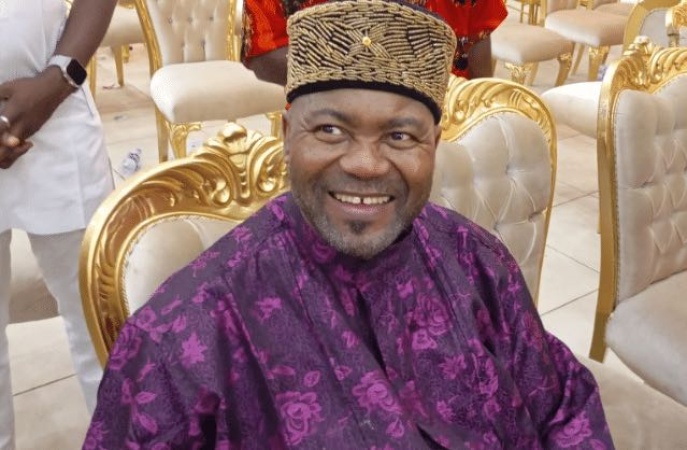
The President‑General of Ohanaeze Ndigbo has publicly challenged remarks attributed to Mr Wike over the leadership of Rivers State, insisting there is only one Rivers State governor recognised under the law. The statement adds a fresh strand to a widening debate about authority and political conduct in the oil‑producing South‑South region.
Ohanaeze’s intervention came after a series of exchanges between Mr Wike and other political actors. In a firm response, the President‑General said attempts to cast doubt on the authority of the sitting governor were unnecessary and unhelpful to the maintenance of peace and good governance in Rivers State.
Rivers State governor debate draws wider attention
Although the exchange is framed as a local dispute, it has attracted national attention because Rivers State is strategically important to Nigeria’s economy and politics. Community leaders and analysts said public disagreements between influential figures risk deepening existing political fault lines if they are not managed through dialogue and established institutions.

Ohanaeze’s statement urged restraint and appealed for political actors to prioritise the welfare of residents, many of whom are concerned about infrastructure, security and economic opportunities. The President‑General emphasised that questions of governance should be resolved through legal and constitutional channels rather than through public back‑and‑forths that inflame passions.
Political commentators noted that the dispute is symptomatic of broader tensions within and between political parties in states where local interests and national ambitions intersect. For Rivers State, which hosts significant oil facilities and related employment, stable governance remains pivotal for business confidence and service delivery.
There were calls from civil society groups for immediate engagement between the parties involved. Several organisations proposed mediation to prevent the dispute from escalating and to protect the interests of ordinary citizens who may be affected by protracted political wrangling.
Legal experts reminded stakeholders that any contestation about the office of the governor should be directed to the appropriate tribunals and courts. They warned that resorting to public provocation or extrajudicial pressure would complicate matters and could damage democratic norms.
For now, both sides appear keen to manage the fallout. Ohanaeze framed its message as a corrective measure aimed at preserving institutional integrity, while supporters of Mr Wike have called for calm and emphasised the need to focus on policy and development projects rather than rhetoric.
Observers say the episode underlines the importance of clear communication between political leaders and traditional or cultural organisations. As discussions continue, attention will be on whether the parties pursue legal remedies, enter mediated talks, or allow the matter to subside with minimal disruption to governance.
What remains clear is that Rivers State’s stability is of national interest. The controversy serves as a reminder that political disputes, even when local in origin, can have wider consequences and should be handled in ways that uphold democratic principles and the rule of law.
Key Takeaways:
- Ohanaeze Ndigbo’s President‑General disputed comments made by Mr Wike on the leadership of Rivers State, stressing that there is only one recognised governor.
- The exchange highlights tensions in regional and party politics and may affect perceptions of political unity in the South‑South.
- Observers say the dispute underscores the need for clearer dialogue between political leaders and community organisations.








