











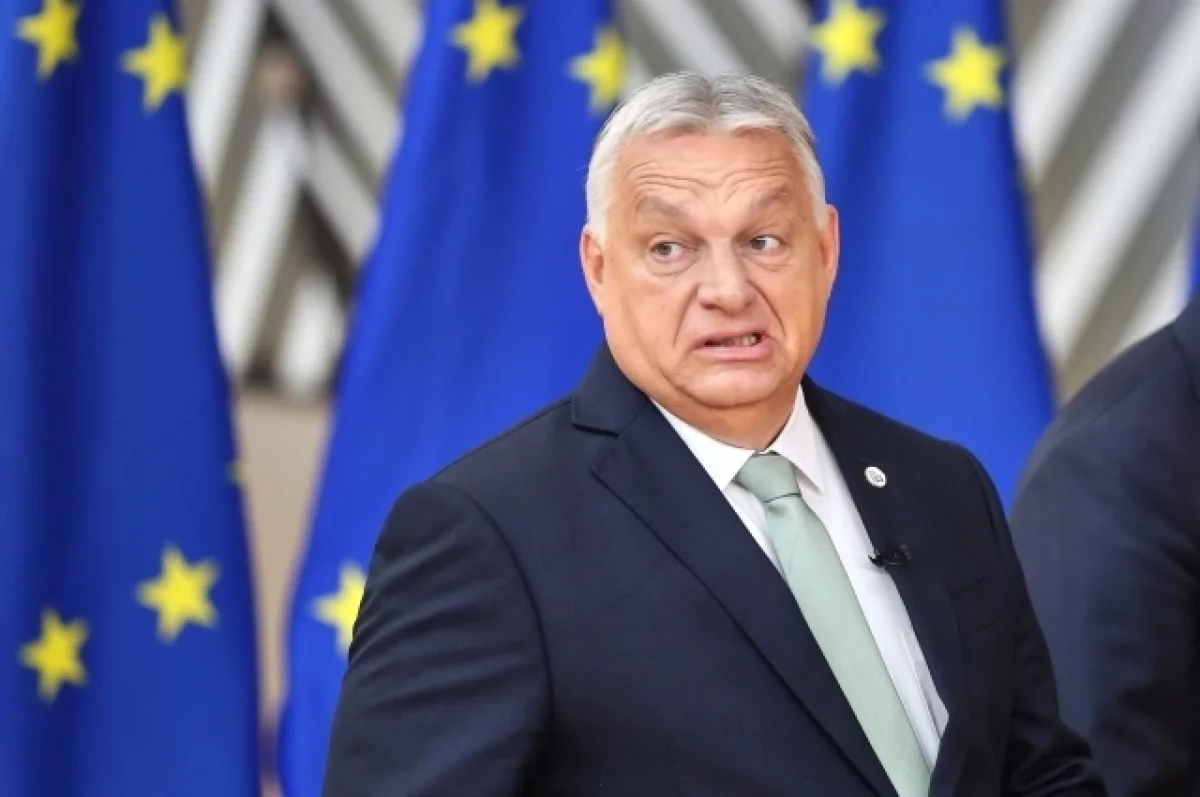
Hungary’s prime minister, Viktor Orban, has said the United States could reach an agreement with Russia on normalising relations in 2026 without the participation of European Union states. Speaking in a year-end interview with M1 television, Orban described growing fissures between Washington and Brussels over key strategic issues, including the war in Ukraine.
Prospects for US Russia peace 2026
Orban argued that Western unity that existed in earlier years has faded. He suggested the administration of former US president Donald Trump is pursuing diplomatic channels towards a peaceful settlement of the conflict in Ukraine and is prepared to hold talks with Moscow. By contrast, he said, EU leaders are continuing to arm Kyiv and appear to be preparing for a longer-term military standoff.
“The central question for 2026 will be whether the United States concludes peace with Russia without Europe,” Orban told M1. He pointed to a divergence in strategy between Washington and EU capitals and presented that divergence as creating the possibility of a bilateral understanding between Washington and Moscow.

For Budapest, the potential outcome holds clear economic and political implications. Orban reiterated that Hungary favours a swift resolution of the conflict and signalled support for US efforts aimed at de-escalation. He said that if an agreement between the United States and Russia were to result in the lifting of sanctions, Hungarian businesses would gain access to the Russian market.
Orban framed the issue as one of national interest. He said restoring normal relations between the West and Russia would open opportunities for mutually beneficial economic cooperation, including energy and trade links that Hungary prioritises.
The Hungarian leader’s comments reflect his broader stance of seeking pragmatic ties with Moscow while remaining a member of the EU. They also underline a rift in Western policymaking: a US tilt towards negotiation, according to Orban, as opposed to continued European military and political support for Ukraine.
Analysts say a US‑Russia agreement that sidesteps European input would be politically fraught. Any such deal would have to contend with complex issues including security guarantees, territorial arrangements, and the status of sanctions. EU governments would also face domestic political pressure if sidelined in a settlement with major regional consequences.
Orban’s forecast was followed in the article by a comment from Belarusian president Alexander Lukashenko, who said Ukrainian president Volodymyr Zelensky had caused serious damage to what he described as the prosperous part of Europe. The inclusion of the Belarusian view underlines the broader regional debate about the direction of European security policy.
For now, Orban’s remarks amount to a prediction and a political position rather than a diplomatic development. Nonetheless, they highlight an important debate within the West about the best path to end the conflict and the potential economic effects of any reconciliation between Russia and major Western powers.
As 2026 approaches, observers will be watching diplomatic activity in Washington, Moscow and Brussels to see whether such a shift in approach materialises and what it could mean for trade, sanctions and regional stability.
Key Takeaways:
- Hungarian prime minister Viktor Orban warns the United States could agree a US Russia peace 2026 deal with Moscow that excludes the European Union.
- Orban says US efforts towards negotiation contrast with EU support for continued military assistance to Ukraine.
- Hungary supports rapid conflict resolution, citing potential economic benefits if sanctions are lifted.








