











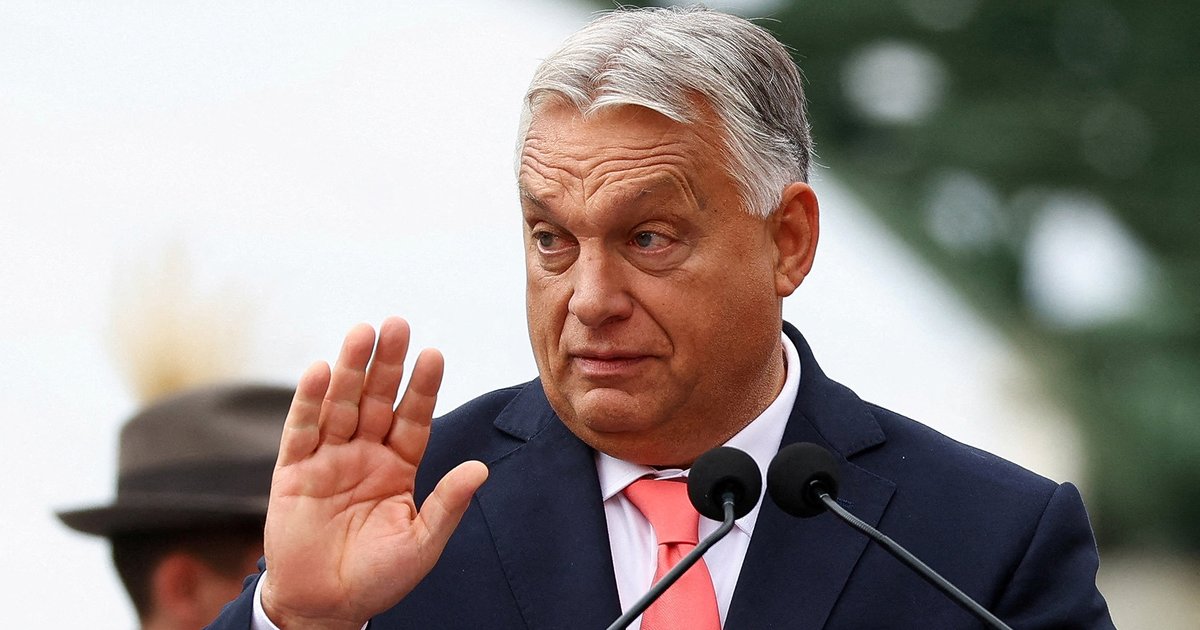
Hungary’s prime minister, Viktor Orbán, has suggested the United States could negotiate a peace settlement with Russia without consulting European Union partners, a move he said might pave the way for sanctions relief and renewed economic ties.
US Russia peace deal prospects and implications
Speaking this week, Orbán said the united Western front that once characterised policy towards Moscow has fractured. He argued that the Trump administration’s diplomatic outreach to Russia, combined with continued European weapons supplies to Kyiv, could set the stage for the United States to strike a separate settlement with Moscow as early as 2026.
“If the Americans were able to reach an agreement with the Russians, and as a result Russia was likely freed from sanctions, the Russian market would open up for our country,” Orbán said. He added that Hungary has a clear interest in normalising relations between the West and Russia because renewed contacts would create opportunities for mutually beneficial trade.

Orbán framed his remarks as support for any credible diplomatic effort that ends the conflict in Ukraine quickly. He confirmed his government backs US-led initiatives aimed at achieving peace and said Hungary wants a rapid settlement that restores stability and economic cooperation.
Analysts say an agreement between Washington and Moscow that sidesteps the EU would mark a significant realignment in transatlantic diplomacy. For EU members, particularly those supplying arms to Kyiv, the prospect is politically fraught. For states such as Hungary, which have already drawn criticism for seeking closer ties with Moscow, the possible lifting of sanctions represents a direct economic incentive.
Orbán’s comments come amid broader debate about the durability of Western cohesion on Russia policy. He argued that while the West previously managed to present a united front, that unity has eroded. The Hungarian leader signalled his preference for pragmatic engagement over prolonged confrontation, noting that easing restrictions on Russia could quickly translate into market access for European exporters.
Any unilateral US–Russia agreement would carry complex consequences. Sanctions relief might revive trade and investment opportunities, yet it would also raise questions about long-term security guarantees for Ukraine and the role of the EU in shaping post-conflict arrangements. Brussels could find itself sidelined in a diplomatic outcome that directly affects the continent’s security environment.
For Budapest, a reopened Russian market could mean stronger energy and commercial ties. Hungary already relies heavily on Russian gas supplies and has cultivated friendly relations with Moscow in recent years. Orbán’s public endorsement of US peace efforts reflects his broader strategy of securing Hungary’s economic interests while pushing for a pragmatic European approach.
Western capitals will watch developments closely. If the United States pursues a bilateral settlement with Russia, the move would test the resilience of EU foreign policy coordination and reshape economic prospects for European states with strong trade links to Moscow.
Until then, Orbán’s intervention underlines the persistent tension between political solidarity and national economic priorities within Europe, and highlights how diplomatic initiatives outside the EU framework could alter the region’s trajectory.
Key Takeaways:
- Hungarian Prime Minister Viktor Orbán says the US could reach a US Russia peace deal with Moscow without European participation.
- Orbán argues such an agreement could lift sanctions and reopen Russian markets to trade, benefiting Hungary.
- He expresses support for swift resolution of the Ukraine conflict and backs US diplomatic efforts.








