











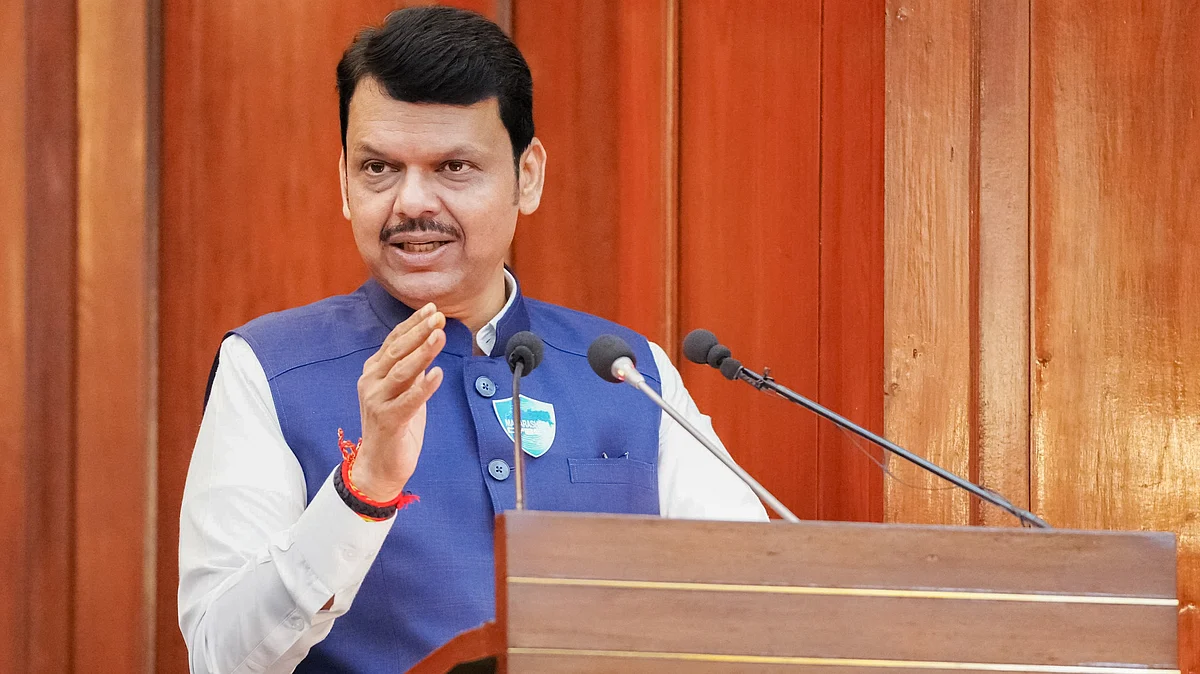
Palghar district has recorded notable improvements in learning outcomes after the rollout of the Maths Setu programme, part of a broader education reform initiative supported by the Maharashtra state government under Chief Minister Devendra Fadnavis. Local officials say the programme’s data-driven approach has produced measurable gains in student performance and teacher capability over a single academic year.
Palghar education reform shows measurable gains
The initiative focused on foundational numeracy, regular diagnostic assessments and targeted teacher training. Schools administered short, frequent tests to identify gaps in students’ understanding and then used those results to tailor classroom support. According to district education officers, pass rates in key mathematics assessments rose substantially, while classroom observations showed improved pedagogical practice and higher teacher confidence.
Officials emphasise that the programme is not a one-off campaign but a system-level change. A central element has been the use of learning data to inform decisions at school and cluster levels. This allowed resource allocation to be prioritised where it was most needed and enabled rapid corrective measures for students falling behind. Headteachers reported better engagement and clearer lesson planning as a result.

Teacher development formed another pillar of the reform. The state-backed model provided in-service training sessions, peer learning groups and simple, practical tools that teachers could use immediately in the classroom. Trainers worked with staff to demonstrate interactive, concept-based methods instead of rote practice. School leaders were encouraged to adopt weekly review meetings to monitor progress and support weaker performers.
Community involvement also contributed to the gains. Parents and local stakeholders were informed of the diagnostic results and invited to participate in remedial learning sessions. This helped sustain attendance and encouraged learning at home. Several schools reported higher attendance and improved homework completion rates once parents were brought into the process.
Financial and administrative backing from the state government ensured that the programme could be scaled within the district. The district education office coordinated monitoring visits and compiled performance data to track trends across schools. Where persistent gaps were found, additional coaching and materials were deployed. Officials point to the model’s relatively low cost and high impact as reasons it could be replicated in neighbouring districts.
Policy-makers have highlighted Palghar as an example of how focused interventions can accelerate progress on foundational learning goals. Education experts said the key factors were regular assessment, targeted support, ongoing teacher coaching and strong administrative oversight. They cautioned that sustained improvement will require continued funding, teacher retention and ongoing monitoring.
As the next academic cycle begins, district authorities plan to refine the assessment instruments and strengthen teacher mentorship. If the current trajectory continues, Palghar’s approach may be considered for broader adoption within the state and beyond. For now, the district’s results offer a practical case study in how data-informed, state-supported reform can lift basic learning outcomes and improve the classroom experience for both pupils and teachers.
Key Takeaways:
- Palghar education reform, driven by the Maths Setu programme, has raised student achievement and teacher confidence.
- Data-driven interventions and regular assessments targeted learning gaps across government schools.
- State backing and local training scaled improvements and created a model for replication in other districts.








