











Key Takeaways:
- Ice cores recovered from 5,810 metres reveal surprising stability in Pamir-Karakoram glaciers despite global warming.
- Researchers will analyse 105-metre cores to test hypotheses on precipitation, temperature and atmospheric circulation.
- Findings are vital for water resources in Tajikistan, Pakistan and adjacent regions and for improving climate models.

A new ice-core study in the Pamir and Karakoram mountains has highlighted an unusual pattern: glaciers in parts of this Central Asian region have remained stable or even gained mass while most mountain glaciers worldwide are shrinking. The research, led by Japanese glaciologist Yoshinori Iizuka and colleagues, provides fresh data that could refine how scientists model glacier response to climate change.
Pamir-Karakoram glaciers show distinctive mass balance
At an altitude of 5,810 metres in the Pamir range, the team drilled two ice cores roughly 105 metres long. One core will be stored in a deep repository in Antarctica and the other analysed in Sapporo. The dual approach preserves the climate archive in case the ice disappears and enables cross-checking between laboratories.
In the laboratory, researchers will examine ice density, layering and the shape of snow grains. Clear layers point to periods when ice partially melted and refroze. Looser, porous layers indicate differences in snowfall that help reconstruct past precipitation. Volcanic particles act as time markers, and isotope ratios in the ice provide estimates of air temperature at the time each layer formed.
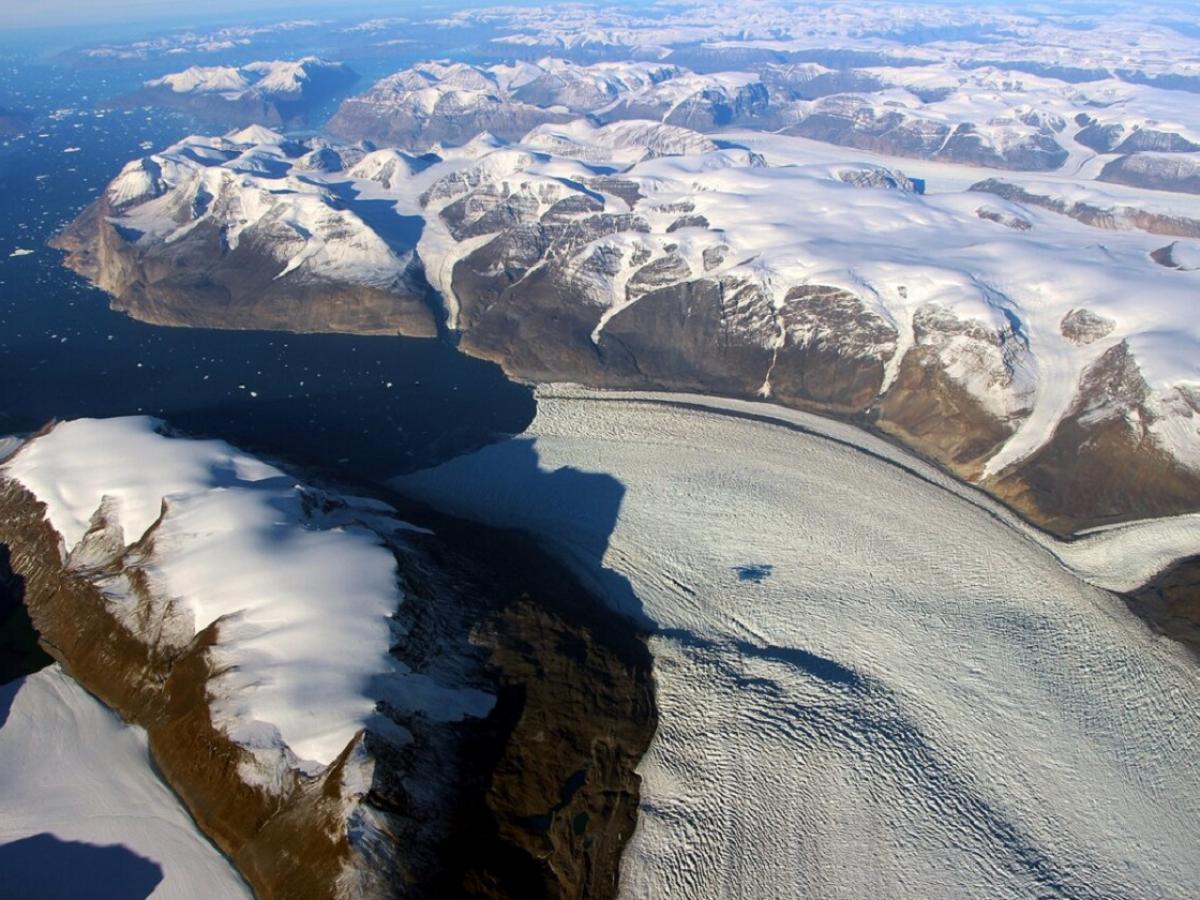
The Pamir-Karakoram region has drawn attention because its glaciers have not followed the global pattern of rapid mass loss. Scientists refer to this contrast as the “Pamir-Karakoram anomaly.” In recent decades, while the Alps, Andes and much of the Himalaya have lost ice rapidly, parts of the Pamir and Karakoram show only minor change or modest gains in ice mass.
Earlier explanations suggested a cooler local climate or increased snowfall, possibly linked to intensified irrigation in parts of Pakistan, but direct evidence was lacking. “The cores give us the opportunity to test these suggestions against real data,” Iizuka said in the research notes.
Iizuka hopes the cores will contain ice older than 10,000 years. Previous studies indicate the region experienced warming and partial melting about 6,000 years ago, so finding older ice would help extend the regional climate record and place current trends in a longer historical context.
The implications go beyond academic interest. The Pamir-Karakoram glaciers feed rivers that supply water for agriculture and hydropower in Tajikistan, Pakistan and neighbouring countries. A stable or growing glacier mass affects seasonal water availability and risk assessments for downstream communities. Conversely, any future shift in the balance between temperature and precipitation could reduce this apparent resilience.
Comparing results from the cores with observations from other mountain systems will help climatologists improve global models. Understanding why the Pamir-Karakoram glaciers behave differently will allow scientists to refine projections of melt rates, river flows and regional climate impacts.
For now, the ice-core project offers a rare chance to ground-truth hypotheses about rainfall patterns and atmospheric circulation in this complex region. The results will be watched closely by governments and researchers who depend on accurate forecasts of water supply in Central and South Asia.








