











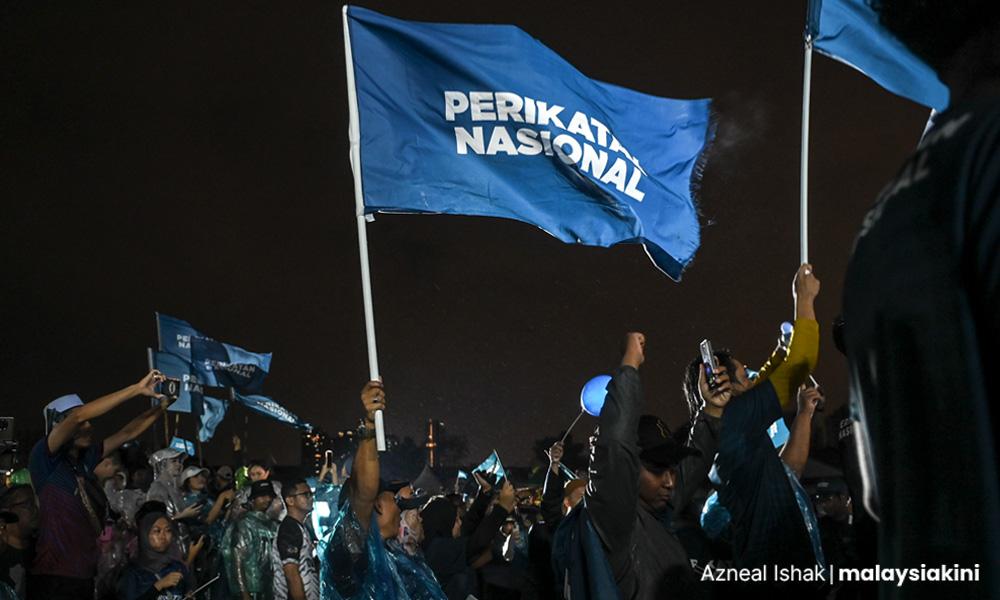
Muhyiddin Yassin’s resignation as Perikatan Nasional (PN) chair has opened a fresh chapter in Malaysia’s coalition politics, with the Islamist party PAS widely expected to assume leadership of the grouping. The announcement, and the party’s deliberate silence on who will take the helm, has intensified speculation over the coalition’s next direction and its choice of prime ministerial candidate ahead of the 16th general election.
Malaysia PN leadership and likely frontrunners
PAS, which is already a dominant force within PN, has indicated it will step up to lead the coalition but so far has not confirmed which senior figure will replace Muhyiddin. Whoever is chosen will carry significant political weight: the coalition leader is likely to be positioned as PN’s prime minister candidate for GE16, though past practice shows that this is not an automatic guarantee.
Analysts say the selection will be shaped by a range of practical considerations, including party seniority, acceptability to PN’s component parties, and the ability to attract Malay-majority support in key constituencies. The party’s state chiefs and national office-bearers will be closely watched as likely contenders, while coalition partners will insist on a candidate who can hold the alliance together through a national campaign.

The transition raises immediate strategic questions for PN. A PAS-led coalition may sharpen the coalition’s messaging on religious and cultural issues, which could consolidate its existing voter base but also risk alienating moderate or non-Muslim voters. Conversely, a leader with broader appeal could attempt to expand PN’s reach by focusing on economic and governance issues.
For coalition stability, the process of selecting a new chair will be as important as the choice itself. PN’s internal consultations and the speed with which PAS signals a formal candidate will influence public perceptions of unity. Any prolonged leadership vacuum could give rival coalitions room to capitalise on uncertainty ahead of the election.
On the national stage, a PAS-led PN will face tests in negotiating with other major blocs, including Barisan Nasional and Pakatan Harapan. How PN positions itself on key policy areas such as the economy, cost of living and inter-ethnic relations will determine its bargaining power in both campaign alliances and potential post-election coalitions.
Observers note that the move also has implications for state-level politics. In states where PAS already holds power or significant influence, the party’s elevation to PN chair may strengthen its hand in negotiations over candidacies and coalition arrangements. Where PAS is less dominant, partners will likely seek reassurances that their interests will be protected under new leadership.
Ultimately, the selection of a PN chair is both a tactical and symbolic decision. It will signal the coalition’s priorities and its readiness for a national contest. As PAS prepares to formalise its claim on the chairmanship, close attention will fall on whom the party endorses and how quickly PN presents a united front ahead of GE16.
For voters and political watchers, the coming days will reveal whether PAS’s assumption of leadership reshapes PN’s electoral appeal, or simply reaffirms the existing balance of power within the coalition.
Key Takeaways:
- Malaysia PN leadership is shifting after Muhyiddin Yassin resigned as Perikatan Nasional chair.
- PAS has signalled it will assume control of the coalition, but has yet to name a successor.
- The new PN leader is likely to become the coalition’s prime minister candidate for GE16, though this is not guaranteed.
- The change could reshape PN’s election strategy and alliances across Malaysia’s political landscape.








