











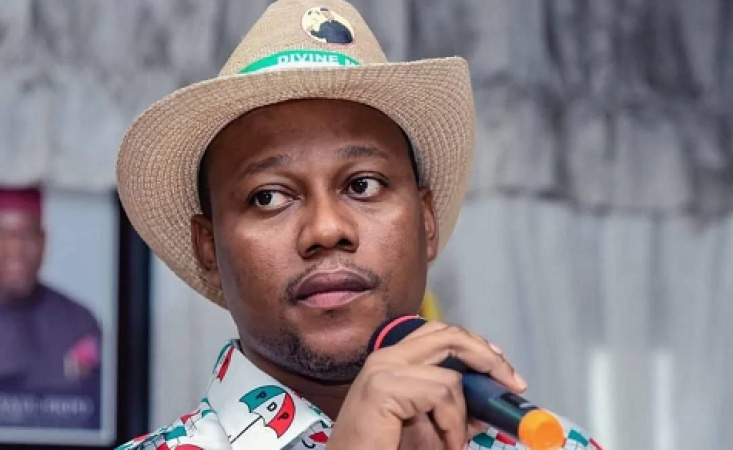
The People’s Democratic Party has accused the federal government of marginalising governors and other officials, a claim it says is driving a fresh wave of defections to the All Progressives Congress. The allegation, made by senior PDP figures, comes amid growing concern over party switching in the run up to next year’s electoral calendar.
Nigeria political defections and the PDP allegation
Party officials told reporters that perceived exclusion from decision making and appointments has prompted several governors and senior political actors to consider or accept offers from the ruling party. The PDP said its members feel sidelined in federal appointments and policy consultations, a charge which it argues has encouraged moves away from the opposition.
Defections between Nigeria’s major parties are not new, but the current wave has renewed scrutiny of how the federal government engages with state leaders and opposition platforms. Analysts say that when governors shift allegiance it can alter the balance of power at both state and national levels and influence legislative collaboration.

The PDP is urging the federal authorities to address the complaints quickly to halt further departures. Party spokespeople warned that continued marginalisation would not only weaken the opposition but could also erode public confidence in Nigeria’s democratic processes if voters perceive political decisions as driven by exclusion rather than merit.
Political implications for parties and voters
Observers note that defections can have practical consequences beyond symbolic change. Governors who join the ruling party may gain access to federal resources and influence, while the party losing members may struggle to coordinate campaigns or sustain legislative agendas. For voters, frequent party switching can create confusion about accountability and manifestos, as elected officials alter their stated priorities after changing party labels.
Political commentators say the timing of this episode is significant. With national and state elections on the horizon, both the APC and the PDP are acutely aware that control of gubernatorial offices can sway legislative majorities and shape campaign momentum. The PDP’s public criticisms of the federal government aim to frame defections as a reaction to unfair treatment rather than opportunism.
The federal government has not issued a detailed rebuttal to the PDP’s claims. Officials loyal to the ruling party typically describe defections as part of normal political realignment, arguing that elected officeholders have the right to join parties that reflect their current priorities. Whether the party switching will translate into long term realignment remains uncertain.
For now, the situation highlights persistent tensions within Nigeria’s political class. The PDP is calling for renewed dialogue between the federal government and state governors to resolve grievances and prevent further erosion of party structures. Civic groups have urged all parties to prioritise governance and service delivery for citizens rather than internal power struggles.
As the story develops, attention will focus on whether the federal government takes steps to address the PDP’s allegations and whether defections translate into measurable shifts in policy or electoral outcomes. For many Nigerians, the controversy is a reminder of the fluid nature of party politics and the importance of transparent engagement between national and subnational leaders.
Key Takeaways:
- Nigeria political defections intensify as the PDP accuses the federal government of marginalising some governors and officials.
- PDP warns defections could reshape party balance ahead of key elections and fuel political instability.
- Party leaders call for urgent dialogue to address grievances and prevent further defections.








