











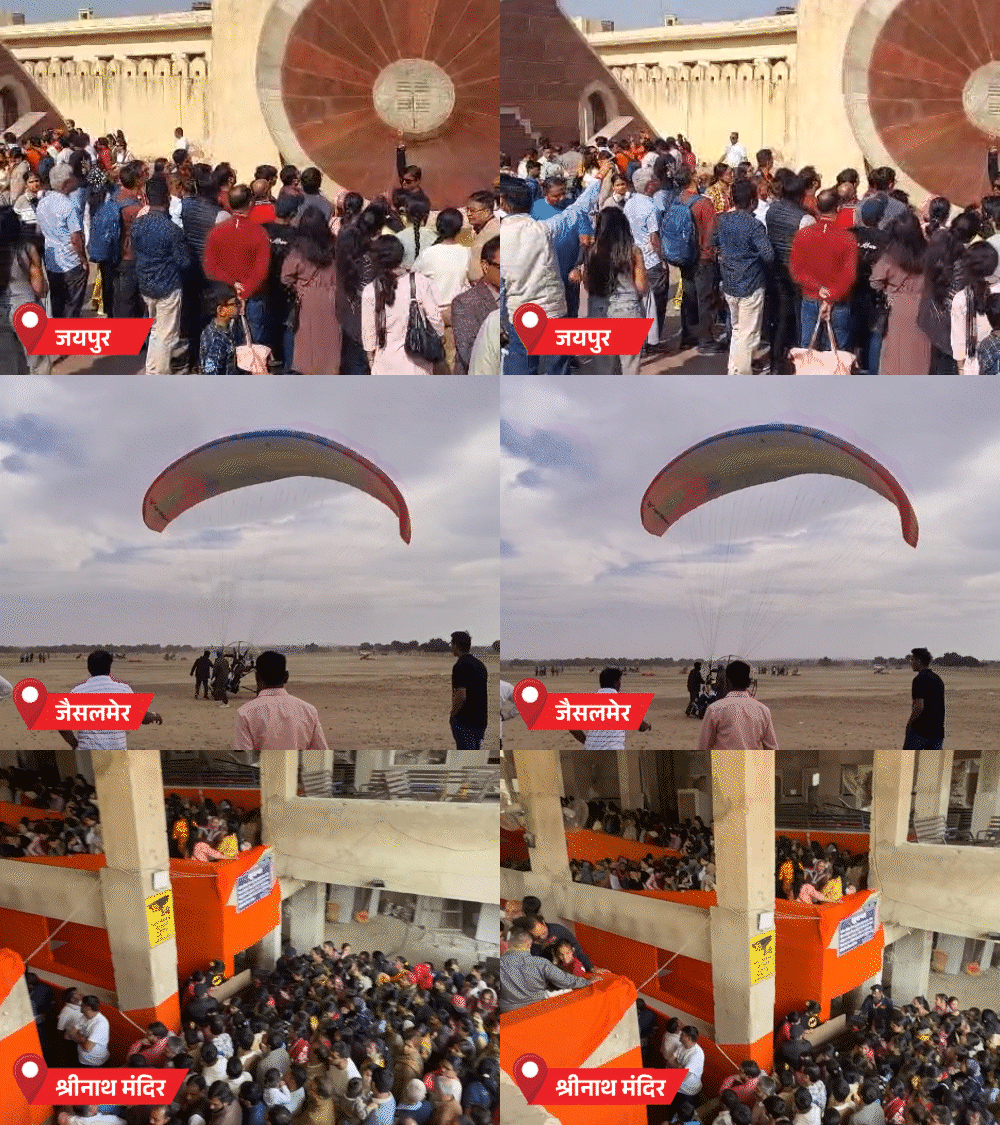
Key Takeaways:
- Jaipur temple crowds swell as pilgrimage demand spikes, affecting accommodation and local services.
- Hotel rates reportedly rose from around Rs 7,000 to as much as Rs 24,000 during peak periods.
- Long queues at Shrinathji and Khatushyamji temples are adding pressure on crowd management and transport.
- Local authorities and temple administrations are taking measures to manage flow and advise pilgrims to plan ahead.

Pilgrimage surges push Jaipur temple crowds and hotel rates to new highs
Pilgrimage activity in Rajasthan has driven a sharp uptick in demand for accommodation and put significant pressure on temple precincts and local services. In Jaipur, travellers reported finding rooms that normally cost around Rs 7,000 being offered at upward of Rs 24,000 during the busiest days, while devotees at Shrinathji and Khatushyamji temples faced long queues and congested approaches.
Jaipur temple crowds prompt overcrowding and price spikes
Temple administrations and local businesses say the surge is linked to festival timings and an increase in domestic pilgrimage this season. The sudden rise in visitors has translated into heavy footfall at major pilgrimage sites, with some temples operating at or beyond intended capacity. Hotels and guesthouses close to temple precincts reported an unprecedented spike in bookings and rates, with online platforms showing limited availability at short notice.
Local vendors and hospitality operators welcomed the increased business but acknowledged the strain on services. Taxi and auto-rickshaw drivers reported longer working hours and higher fares, while public transport saw more crowded services on key pilgrimage routes. Municipal and temple officials said they were monitoring the situation and coordinating crowd management measures.
Measures to manage pilgrims and ease congestion
Authorities at prominent temples have introduced measures to smooth the flow of devotees. These include extended darshan hours, additional queue lines, and the deployment of volunteers to guide visitors. Security teams and municipal staff have focused on keeping entry and exit points clear and ensuring that emergency routes remain accessible.
Despite these steps, devotees reported waits of several hours at times, particularly at peak hours. Temple administrations advised pilgrims to check official notices for darshan timings, arrive early where possible, and consider off-peak days to avoid long queues. Many devotees are now booking accommodation and transport well in advance to secure better rates.
Economic ripple effects and advice for visitors
The surge in pilgrimage activity has broader implications for the local economy. While higher hotel rates and increased spending benefit many small businesses, rushed demand can also lead to price gouging and service bottlenecks. Travel experts recommend that visitors compare prices across platforms, confirm booking policies, and verify official temple information before travelling.
Officials also urged hoteliers and third-party booking services to follow fair-pricing guidelines and to provide clear cancellation terms. Local civic bodies are reviewing whether to issue advisory notices for large gatherings during peak pilgrimage periods and are exploring ways to enhance infrastructure near major temples.
For devotees planning a visit, authorities emphasise the importance of planning ahead. Those seeking a quieter experience may choose weekday visits or liaise with temple offices to learn about quieter darshan windows. Pilgrims with mobility needs are advised to contact temple helpdesks in advance to arrange appropriate assistance.
As pilgrimage travel continues to rebound, officials and businesses across Rajasthan are balancing the economic opportunities with the logistical challenges of managing large crowds. The coming weeks will show whether the measures in place are sufficient to keep the flow of devotees steady while protecting the safety and comfort of visitors and residents alike.








