











The Trans-Siberian Railway remains one of the world’s most iconic rail journeys, linking Russia with Mongolia and China and offering travellers varied urban culture and vast natural scenery. For Malaysians planning this route, practical preparation will determine how smoothly the trip unfolds.
Trans-Siberian Railway practical planning tips
Begin with visas and payment arrangements. Malaysians currently enjoy visa-free visits to Mongolia and China for up to 30 days. Russia requires an e-visa of up to 30 days applied for through the Russian foreign ministry’s consular website. Note that Visa and Mastercard operations in Russia have been suspended since 2022, making card payments and ATM withdrawals difficult. Bring sufficient US dollars to convert on arrival, as Russian roubles are not readily available from Malaysian banks. Local banks such as Sberbank usually offer competitive exchange rates.
In Mongolia and China, cards are widely accepted, but in rural Mongolia carry enough tugrik obtained locally since ATMs can be far apart. Download translation apps and relevant offline language packs before you travel; familiarise yourself with WeChat and Alipay for services in China and Yandex Go for e-hailing in Russia and neighbouring republics.

Tickets, routes and breaking the journey
For journeys within Russia, the official rzd.ru site is the only reliable platform for ticketing since many third-party services no longer operate there. The most practical method is to buy tickets in cash at station counters, particularly for long-distance legs. Tickets to Mongolia and China can still be purchased through selected third-party booking sites such as Travel China Guide and Trip.com.
Consider splitting a long-haul itinerary into shorter segments and spending a day or two in cities en route. Yekaterinburg and Novosibirsk make convenient stopovers. If you want to economise on the cross-border leg from Ulan-Ude to Ulaanbaatar, a cross-border bus can save time and money compared with the rail option.
Onboard comfort and budgeting
Third-class carriages are affordable but basic; aim to secure a bottom berth when possible because the top berth has a low ceiling. Potable hot and cold water is typically available free of charge while cabin cafés can be expensive, so bring sandwiches and supplies for long stretches. A one-way third-class fare between Moscow and Beijing is roughly RM3,000 at current estimates, making the route cheaper than comparable transcontinental journeys in the Americas or Europe.
Sights, accommodation and local tips
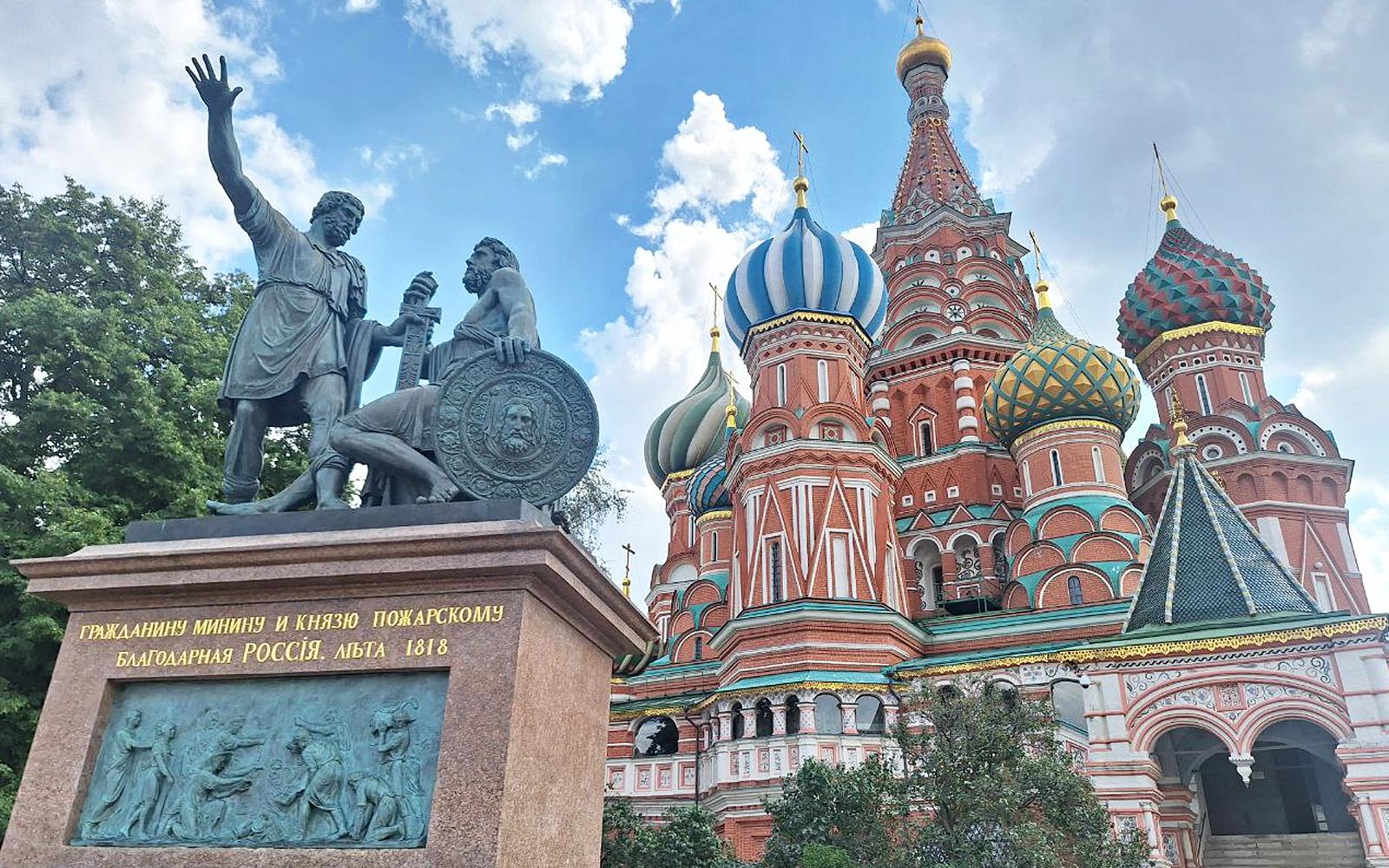
Plan highlights around major stops. In Moscow, visit St Basil’s Cathedral and the ornate stations of the metro. St Petersburg rewards longer visits with Peterhof and the Winter Palace. Further east, Lake Baikal, Kazan and Ulan-Ude offer distinct regional character. In Mongolia, Khuvsgul Lake and the Gobi Desert are unmissable; in China, the Great Wall, Forbidden City and Temple of Heaven are essential sights.
Book Russian hotels via local platforms such as Ostrovok.ru and reserve Mongolian and Chinese hotels through established third-party platforms. Use offline maps like Yandex Map for Russia and Amap for China, and keep Lonely Planet or TripAdvisor entries as background references, but be aware that some Western material about Russia may not reflect recent changes since 2022.
Travel on the Trans-Siberian Railway rewards curiosity and careful planning. With the right paperwork, currency strategy and a flexible itinerary, the journey can be both manageable and memorable.
Key Takeaways:
- Essential planning tips for the Trans-Siberian Railway, including visas and payment advice for Russia, Mongolia and China.
- How to buy tickets, manage cash and cards, and practical routing suggestions for breaks in Yekaterinburg or Novosibirsk.
- Top sights from St Basil’s in Moscow to Lake Baikal, Mongolia’s Gobi and Beijing’s Forbidden City.
- Budget and safety tips for third-class travel, accommodation booking and useful apps like Yandex Map and WeChat.








