











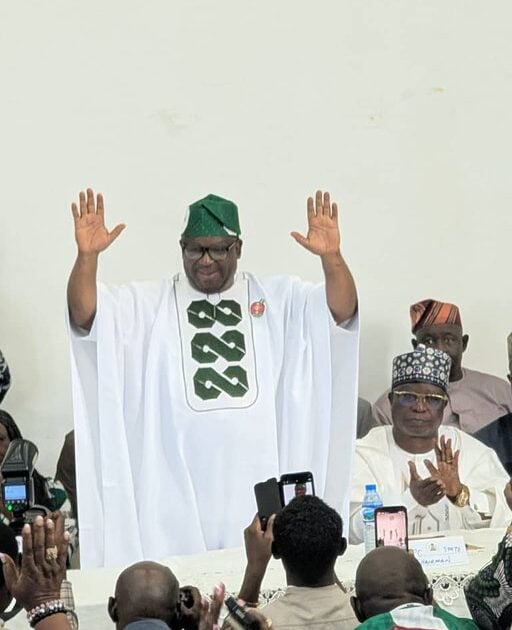
Plateau State Governor Caleb Mutfwang has formally joined the All Progressives Congress (APC), a move announced on Friday by the party’s National Chairman, Nentawe Yilwatda. The announcement, posted on social media, said the governor’s registration represented a “statement of hope” and a commitment to inclusive development for Plateau State, but provided few details about the circumstances that led to the defection.
Yilwatda welcomed the governor into the ruling party, saying the decision was “a bold and patriotic step” and pledged the APC’s support for Mutfwang’s efforts to serve the people of Plateau. “We receive you with open arms and a deep sense of partnership,” he wrote, promising to work closely with the governor to advance the state’s interests and deliver “meaningful dividends of democracy.”
Caleb Mutfwang joins APC and implications for Plateau
The development follows earlier reports that Mutfwang had resigned from his previous party amid rumours of plans to join the APC. Local media outlets had signalled the possibility of a switch in recent days, but the governor’s office has not yet released a detailed statement explaining his reasons for the move or the timing.

Politically, the defection strengthens the APC’s presence in Plateau State, where party alignments have been fluid in recent election cycles. Bringing a sitting governor into the ruling party can augment the APC’s organisational reach and may affect upcoming local and national contests. For the governor, joining the party in power could ease collaboration with federal authorities on projects and funding that require alignment with the central government.
Observers caution, however, that the immediate practical effects remain uncertain until more information emerges. The absence of a full explanation from Mutfwang himself leaves questions about the terms of his registration, any concessions or pledges made by either side, and how the governor’s move will be received by his former party colleagues and supporters in Plateau.
Party leaders and political strategists will be watching for subsequent developments, including whether the defection prompts further realignments among state legislators, local officials or influential interest groups. If additional figures follow Mutfwang into the APC, the party could consolidate greater control at the state level; conversely, a backlash could harden opposition lines and complicate governance.
For residents of Plateau State, the immediate concern will be how the change affects service delivery and security — issues that often dominate local politics. The APC’s promise of partnership and inclusive development signals an intent to work with the governor, but practical outcomes will depend on policy choices, budget priorities and the capacity of state institutions to implement agreed programmes.
Nationally, the move adds to a pattern of party switching that has become a feature of Nigerian politics. Such defections are frequently interpreted through the lens of electoral strategy, access to federal resources, or disagreements within party structures. Analysts will seek clarity on whether Mutfwang’s decision was driven by policy alignment, political calculation, or a combination of factors.
As the story develops, readers should expect statements from the governor’s office, responses from his former party, and further commentary from the APC on plans to integrate Mutfwang into its state leadership. For now, the announcement by Nentawe Yilwatda marks a notable moment in Plateau’s political landscape and a potential boost to the ruling party’s strength in the region.
Key Takeaways:
- Caleb Mutfwang joins APC after resigning from his former party, a move announced by APC National Chairman Nentawe Yilwatda.
- The defection, welcomed as a boost to the ruling party, was confirmed on social media but details remain scarce.
- Analysts say the shift could reshape Plateau State politics and bolster the APC ahead of future contests.








