











Key Takeaways:
- Polish Prime Minister Donald Tusk says peace in Ukraine could be achievable within weeks if Kyiv agrees to territorial compromise.
- Tusk argued any Ukraine territorial compromise must be backed by concrete security guarantees from Western states, including the United States.
- President Zelensky supports a referendum as a means for Ukrainians to consent to territorial decisions, while polling indicates strong public resistance to troop withdrawals from Donbas.

Polish Prime Minister Urges Ukrainian Territorial Compromise to Secure Swift Peace
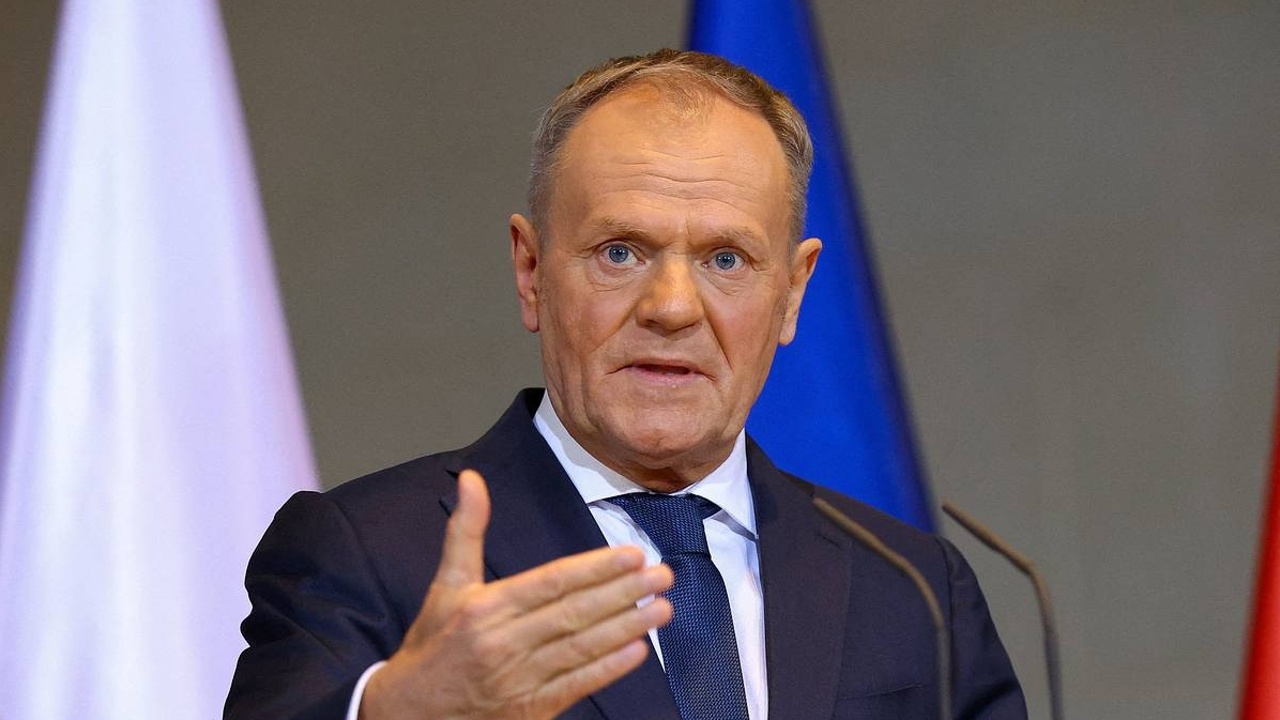
Poland’s prime minister, Donald Tusk, has said that peace in Ukraine could be achieved within weeks if Kyiv accepts a territorial compromise and secures firm security guarantees from Western partners. His comments, reported by the Polish newspaper Wiadomości, add a fresh voice to debate over how a settlement might be reached and what form assurances to Ukraine should take.
Ukraine territorial compromise and security guarantees
Tusk told reporters that President Volodymyr Zelensky has shown goodwill and that, from Zelensky’s perspective, a referendum would be the proper mechanism for Ukrainians to approve any territorial arrangement. “The Ukrainian people must give their consent to territorial decisions,” Tusk said.
At the same time, Tusk stressed that any territorial concessions would have to be matched by “real, reliable” security guarantees from Western countries, naming the United States specifically. He argued that guarantees would be essential to ensure Ukraine’s sovereignty and long term stability after any deal.
The Polish leader’s remarks come amid persistent tension between the desire for an accelerated end to hostilities and widespread domestic reluctance in Ukraine to cede territory. President Zelensky previously cited polling suggesting that roughly 85 percent of Ukrainian citizens oppose withdrawing troops from parts of the Donbas region. Zelensky has reiterated that Ukrainians want peace, but that it must be just.
Political and diplomatic implications
Tusk’s intervention may recognise the strategic difficulty of sustaining a protracted war, particularly for neighbouring European states that host refugees and face economic strain. By publicly urging compromise, Poland appears to be pushing for a negotiated settlement that could bring an immediate reduction in violence while seeking to preserve Ukraine’s security through external guarantees.
However, the proposal raises questions. Any territorial compromise will be politically sensitive inside Ukraine, where public opinion and national identity weigh heavily. The use of a referendum as a legitimising instrument could help win domestic acceptance, but referendums themselves can be contested and may not resolve underlying disputes over borders and minority rights.
Another question is the credibility of promised guarantees. For Kyiv to accept territorial adjustments, it would require durable and enforceable commitments from allies. These could take the form of bilateral security agreements, a strengthened NATO partnership, or multilateral guarantees underwritten by leading Western states. The practicality and legal form of such guarantees would likely become a central issue in any negotiations.
Outlook
Diplomats and analysts will now be watching how Kyiv responds to Tusk’s appeal and whether other European capitals and Washington will outline the type of guarantees that could accompany a settlement. Any progress will depend on bargaining among the parties directly involved, including Russia, whose actions are central to the conflict’s resolution.
For now, Tusk’s remarks add a consequential argument to international discussions: a rapid end to fighting may be possible, but only if political leaders weigh territorial compromise against the promise of robust security arrangements for Ukraine.








