











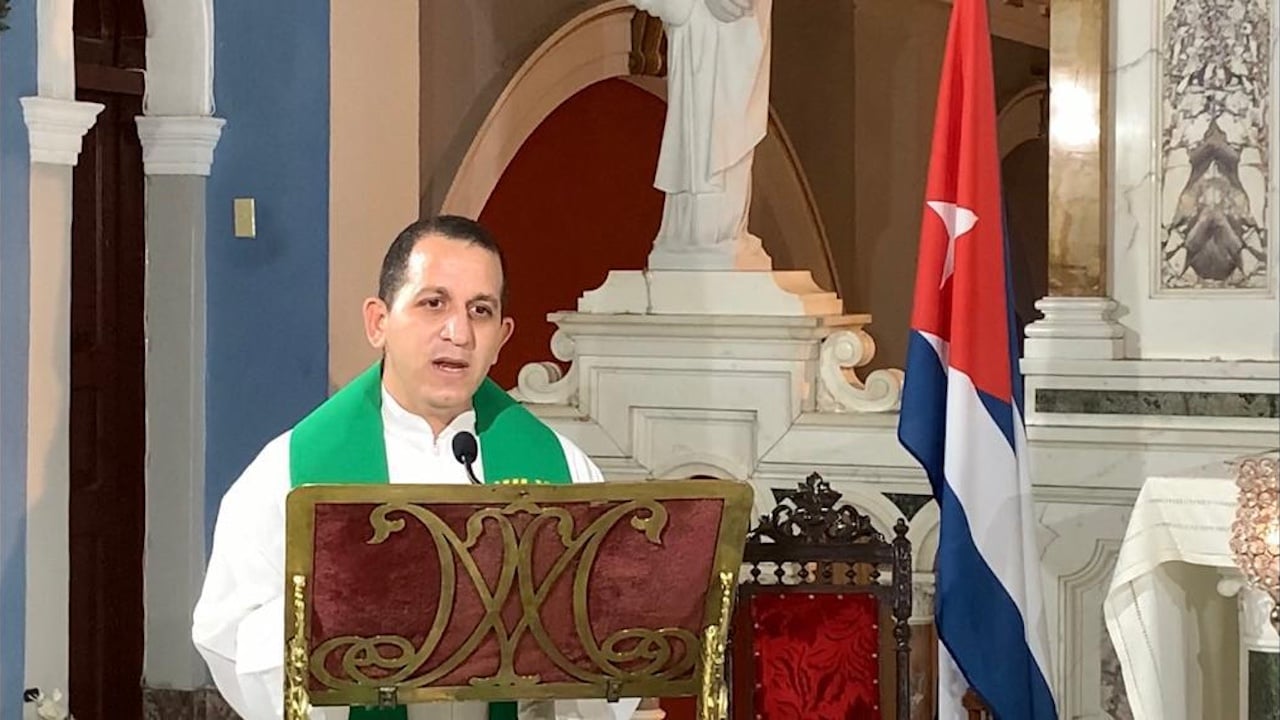
Pope Leon XIV has appointed Father Osmany Massó Cuesta as the new bishop of the Diocese of Bayamo-Manzanillo and accepted the resignation of Monsignor Álvaro Julio Beyra Luarca, which had been pending for five years. The decision, announced on Saturday, marks the start of an anticipated reshuffle within Cuba’s Catholic hierarchy.
Cuba bishop appointment signals the start of episcopal renewal
The appointment breaks a long period in which the Vatican refrained from extensive replacements despite numerous prelates submitting resignations at the customary age. About half of Cuba’s episcopate has now offered resignations under Canon 401 of the Code of Canon Law, which asks diocesan bishops to present their resignation to the Pope at the age of 75.
Osmany Massó Cuesta, 49, comes from the Archdiocese of Santiago de Cuba. He served as vicar general and as parish priest of San Antonio María Claret in Santiago. Born on 18 December 1976, Massó completed philosophical studies at the Seminary of San Carlos and San Ambrosio in Havana and pursued theology at the Salesian Theological Institute Cristo Resucitado in Tlaquepaque, Guadalajara, Mexico.

He was ordained a priest of the Salesian Society of Saint John Bosco on 25 July 2005 and was incardinated into the Archdiocese of Santiago de Cuba in 2015. His background in the Salesian order and his experience in one of Cuba’s main archdioceses are likely to inform his pastoral priorities in Bayamo-Manzanillo.
The new appointment occurs amid a broader reconfiguration of church leadership on the island. Six dioceses still await renewal of their ordinaries: Santiago de Cuba, the Archdiocese led by Dionisio García Ibáñez; the Archdiocese of Havana, under Cardinal Juan García Rodríguez; and the dioceses of Pinar del Río, Holguín, Cienfuegos and Camagüey. The see of Ciego de Ávila has been vacant for more than three years.
Canon 401 states that diocesan bishops are requested to submit their resignation upon reaching 75 years of age, and the Holy See will decide how to proceed taking all circumstances into account. The acceptance of a long-standing resignation and the naming of a successor suggest the Vatican is now prepared to move forward with appointments in Cuba.
Pope Leon XIV is familiar with the Cuban church. Before his election, he served as prefect of the Dicastery for Bishops, the Vatican body responsible for selecting diocesan leaders. He also presided over the Pontifical Commission for Latin America and has visited the island twice. Those roles gave him detailed knowledge of the issues facing the Cuban episcopate and the pastoral needs of local communities.
Observers note that the late Pope Francis took a cautious approach to the island’s episcopal changes, reportedly preferring to await developments on the ground before a broad renewal of the bishops’ conference. The new pope’s decision to appoint Massó is therefore seen as an active step towards resolving a backlog of pending appointments.
For Catholics in Bayamo-Manzanillo and across the country, the appointment brings clarity about diocesan leadership and opens a period of adjustment as parishes and diocesan structures adapt to new direction. The Vatican’s further moves to fill remaining vacancies will be closely watched both within Cuba and by the wider Catholic community in Latin America.
Key Takeaways:
- Cuba bishop appointment: Pope Leon XIV names Osmany Massó Cuesta as the new bishop of Bayamo-Manzanillo.
- The move begins a wider rotation in the Cuban episcopate after many prelates submitted resignations on age grounds.
- Massó brings Salesian training and local diocesan experience, having served as vicar general in Santiago de Cuba.
- Several dioceses, including Ciego de Ávila, remain vacant or await renewal, highlighting the Vatican’s ongoing review.








