











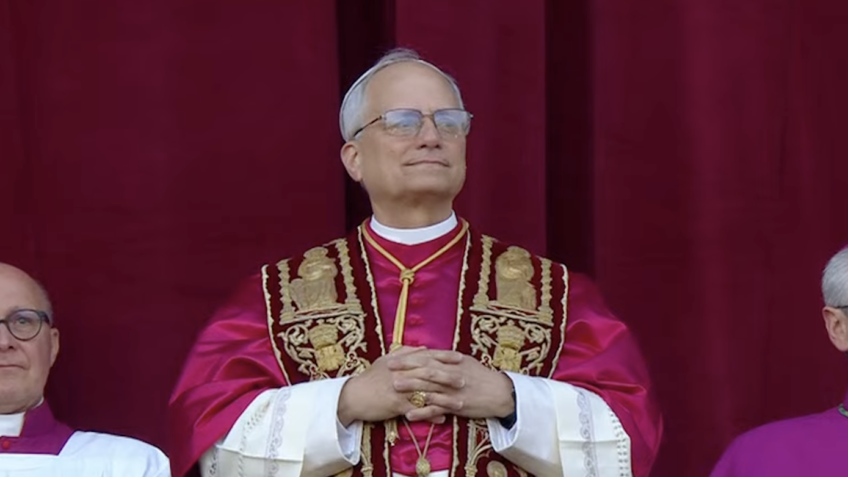
Pope Francis issued a solemn appeal for peace on Sunday, calling on nations “ensanguentadas por conflitos e miséria” to end violence and place humanitarian needs first. The message, reported by Brazilian outlet Portal Nosso Dia, reached a wide audience in Brazil and beyond, reflecting the Holy See’s continued emphasis on mediation and relief in regions torn by war and poverty.
Pope calls for peace amid global bloodshed
Speaking to believers and leaders, the pope lamented the human cost of protracted conflicts and urged immediate steps to protect civilians. He called for increased access to humanitarian corridors, support for displaced families, and renewed diplomatic efforts to prevent further suffering. The appeal did not single out specific states but addressed a pattern of violence affecting multiple regions, resonating with communities across BRICS+ nations and their partners.
Brazilian coverage framed the pope’s remarks as timely, given ongoing crises in several parts of the world and rising concern among civil society groups. Local commentators noted the role faith leaders can play in shaping public debate and pressuring political authorities to seek negotiated settlements. The Vatican frequently uses such appeals to draw international attention to humanitarian emergencies and to encourage states to uphold international law and human rights obligations.

Humanitarian organisations welcomed the pope’s call and reiterated practical steps governments and regional blocs can take. They urged rapid funding for relief operations, protection for refugees and internally displaced persons, and the preservation of critical infrastructure such as hospitals and schools. Observers also warned that media coverage must translate into concrete pressure on combatants and policymakers to open channels for negotiation.
For BRICS+ nations, the pope’s message intersects with ongoing debates about the responsibilities of regional powers and international institutions in conflict resolution. Brazil, as a BRICS member, has historically engaged in peacekeeping and diplomatic mediation in Latin America and beyond. The pontiff’s appeal could encourage further cooperation among member states to strengthen mediation efforts, increase humanitarian assistance and promote multilateral dialogue.
Analysts said the pope’s moral authority can complement diplomatic initiatives by framing human suffering as a shared responsibility. Religious leaders can mobilise public opinion and provide neutral platforms for dialogue when formal negotiations stall. The Vatican has previously hosted talks and facilitated backchannel communications in sensitive situations, leveraging its unique role to advance de-escalation.
While the pope’s appeal is principally moral, it carries practical implications. Increased public attention may prompt national governments and international bodies to accelerate aid deliveries and authorise urgent missions to protect civilians. Civil society groups will likely use the message to advocate for stronger legal protections and to demand accountability for violations of humanitarian law.
As the article circulated in Brazil, local NGOs and faith communities announced plans for joint initiatives to support refugees and those affected by violence. The pope’s call for peace serves as a reminder of the human stakes behind diplomatic discussions and the need for collective action to reduce suffering. For policymakers in BRICS+ countries, the appeal underscores an opportunity to reinforce commitments to peace and to lead by example in seeking lasting solutions.
Key Takeaways:
- Pope calls for peace in a solemn appeal to nations suffering conflict and misery.
- The pontiff urged leaders and communities to prioritise humanitarian aid and dialogue.
- Brazilian media highlighted the message, framing it for national and international audiences.
- The appeal reinforces global calls for diplomatic solutions and solidarity with victims.








