











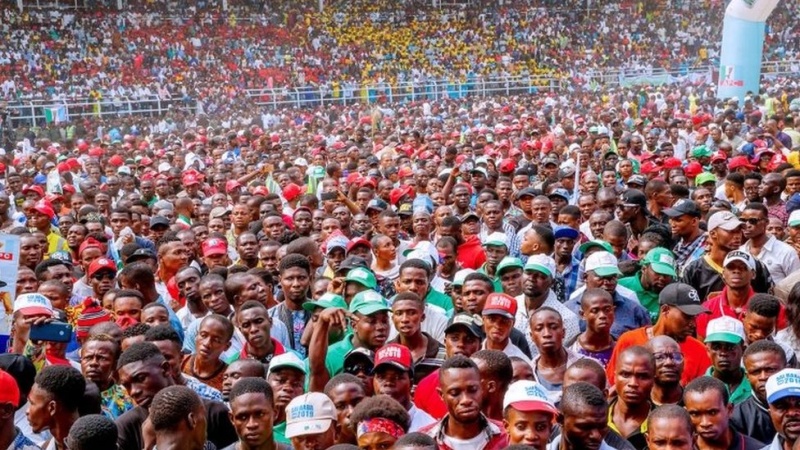
Political activity outside the constitutionally prescribed campaign calendar has intensified in Nigeria as off‑cycle governorship contests in eight states attract national attention and personnel. The contests in Kogi, Imo, Anambra, Ondo, Osun, Edo, Bayelsa and Ekiti are routinely treated by parties as a dress rehearsal for the general election, prompting large‑scale mobilisation that electoral regulators say undermines the rules.
Premature campaigns in Nigeria
Party leaders and high‑profile figures from states not holding the polls frequently travel to the eight host states to show solidarity, raise funds and engage voters. The common refrain among these visitors is that victory at an off‑cycle poll can create momentum and serve as an indicator of wider electoral prospects. That belief has turned what should be localised gubernatorial contests into national rallies, stretching campaign timetables and blurring the line between permitted political activity and prohibited early campaigning.
The Independent National Electoral Commission (INEC) has clear rules on when formal campaigns may begin. Yet, enforcement has been inconsistent, and informal mobilisation — including rallies, declarations of support and large donor meetings — often precedes the official campaign window. Critics argue this gives better‑resourced parties and national figures an unfair advantage and disadvantages local candidates who lack the same networks.

Analysts warn of several consequences. First, extended campaigning risks voter fatigue and disengagement as citizens are exposed to political messaging for longer periods. Second, the diversion of party resources to off‑cycle battles may reduce focus on broader policy debates and governance issues. Third, heightened visits by national figures can escalate tensions and raise security concerns, particularly in states with fragile political balances.
INEC and civil society groups have repeatedly called for stricter adherence to the electoral calendar and more robust sanctions for breaches. Suggestions include clearer guidelines on what constitutes campaigning outside the lawful period, tighter oversight of large political gatherings, and swift enforcement mechanisms such as fines or disqualification where appropriate. Observers also recommend greater public education so voters understand their rights and the intended limits of political activity.
Political parties counter that off‑cycle elections are a legitimate platform for national leaders to support local allies and that engagement by senior figures is part of normal democratic competition. They argue that such participation can mobilise voters and stimulate debates on local governance. However, even party insiders concede that the scale and intensity of current activity often exceed what many regard as acceptable pre‑election conduct.
Practical steps to reduce premature campaigning might include tighter coordination between INEC and security agencies to manage large events, transparency in campaign funding around off‑cycle contests, and a renewed focus on internal party discipline. International and domestic election observers say consistent application of rules will be crucial to maintaining public confidence ahead of the general election.
As Nigeria moves towards its next nationwide vote, the way off‑cycle governorship polls are handled will matter. If the trend of early nationalisation of local contests continues, it could reshape electoral strategies and expectations across the country. For now, the debate centres on striking a balance between vibrant political participation and adherence to rules designed to ensure a level playing field.
Key Takeaways:
- Off‑cycle governorship contests in eight states are being treated as bellwethers for the general election.
- Party chieftains from outside the states often surge in to support local candidates, fuelling premature campaigns in Nigeria.
- Electoral stakeholders warn the practice violates INEC guidelines and risks voter fatigue, resource diversion and heightened tension.
- Stronger enforcement, clearer rules and civic education are recommended to curb early campaigning and protect electoral integrity.








