











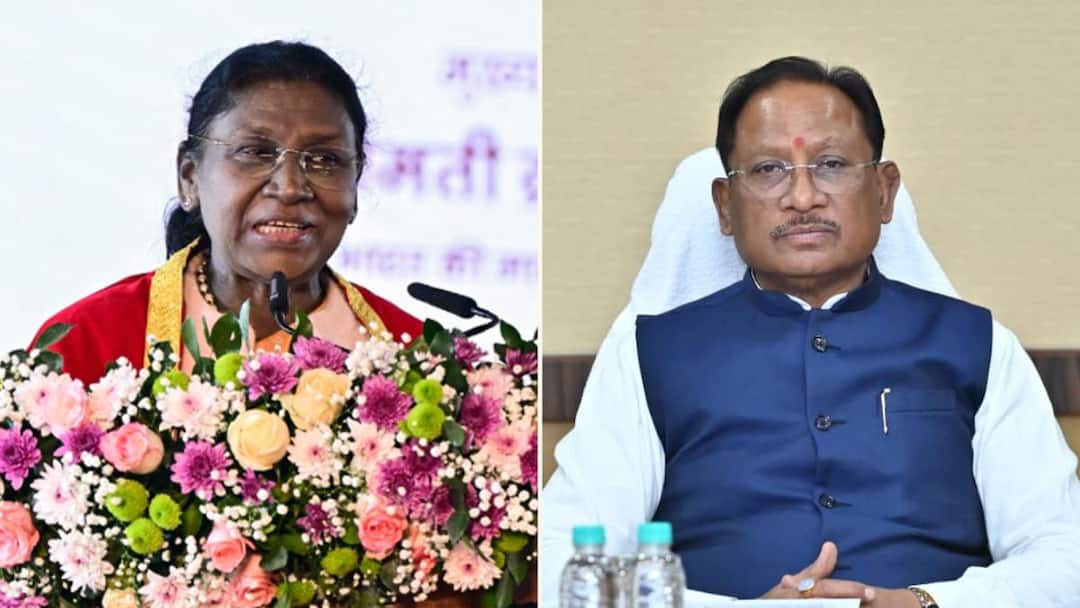
President Droupadi Murmu called on educated youth to act as catalysts for change in tribal areas, arguing that education is essential to help marginalised communities access government welfare and achieve inclusive growth. Speaking at the Antarrajyiy Jansanskritik Samagam Samaroh–Kartik Jatra in Gumla district, Jharkhand, she urged those who migrate to towns and cities to return periodically and explain government programmes to villagers.
Tribal development in India
“Education is the key to development. Education refines the personality, creates opportunities for development, and becomes a medium for inclusive growth and social justice,” Murmu said to a large gathering of tribal representatives and cultural performers. She warned of a growing disconnect between educated youth and their native villages and said the success of government initiatives depends on local awareness and participation.
The President highlighted a series of central government measures launched in the name of Birsa Munda, aimed at extending basic amenities such as housing, drinking water, roads and schools to the most marginalised. “The government will do its work, but we should also contribute our part after getting education,” she said, adding that schemes will only achieve their goals when people know how to use them.

Chhattisgarh Chief Minister Vishnu Deo Sai, who attended the event alongside Governor Santosh Kumar Gangwar and Governor Ramen Deka, described a security turnaround in Left Wing Extremism affected areas of his state. “Naxalism is in the last stages in Chhattisgarh. Over 400 villages have been freed from the menace, and they moved on the path of development,” Sai said, pointing to improved governance outreach as security has returned to these areas.
The President also addressed cultural preservation, urging younger generations to maintain links with tribal traditions even as they pursue modern education and economic advancement. Her remarks came at an interstate folk cultural gathering that drew participants from tribal communities across the region and included celebrations of Santali culture and the centenary of the Ol Chiki script in nearby Jamshedpur.
Murmu responded to local requests for a tribal university in Gumla by promising to press the matter forward with state authorities. The proposal has broad local support as a means to provide higher education tailored to tribal needs and to retain talent within the region.
During a three-day visit to Jharkhand, the President also attended the 15th convocation of the National Institute of Technology and took part in regional cultural functions. Her visit followed a meeting in Ranchi earlier in the day with Jharkhand Chief Minister Hemant Soren and his wife, MLA Kalpana Soren.
Authorities view the combined emphasis on education, cultural identity and security as mutually reinforcing. Officials say that as awareness of welfare schemes improves and infrastructure reaches remote villages, governance and economic opportunities will follow, helping to lift marginalised communities into mainstream development.
Murmu returned to Delhi on Tuesday afternoon after the visit, leaving local leaders to pursue the proposals she backed, including the push for a new tribal university and expanded outreach programmes aimed at ensuring that development reaches the last person in society.
Key Takeaways:
- President Droupadi Murmu said education must drive inclusive growth and help tribal communities access government programmes.
- Chhattisgarh CM Vishnu Deo Sai said over 400 villages have been freed from Naxal influence, enabling development.
- Murmu pledged to press for a tribal university in Gumla and called on educated youth to reconnect with their villages.








