











Key Takeaways:
- Nine senior local leaders from BJP, Congress, MNS and both Shiv Sena factions joined the NCP within 12 hours ahead of the Pune PMC election.
- The influx bolsters Ajit Pawar’s camp in Pune and is likely to reshape ward-level calculations across the city.
- Political analysts say the moves could dent both the Mahayuti and Maha Vikas Aghadi alliances ahead of the 2026 municipal polls.
- Further defections are expected as parties reposition for control of Pune municipal governance.

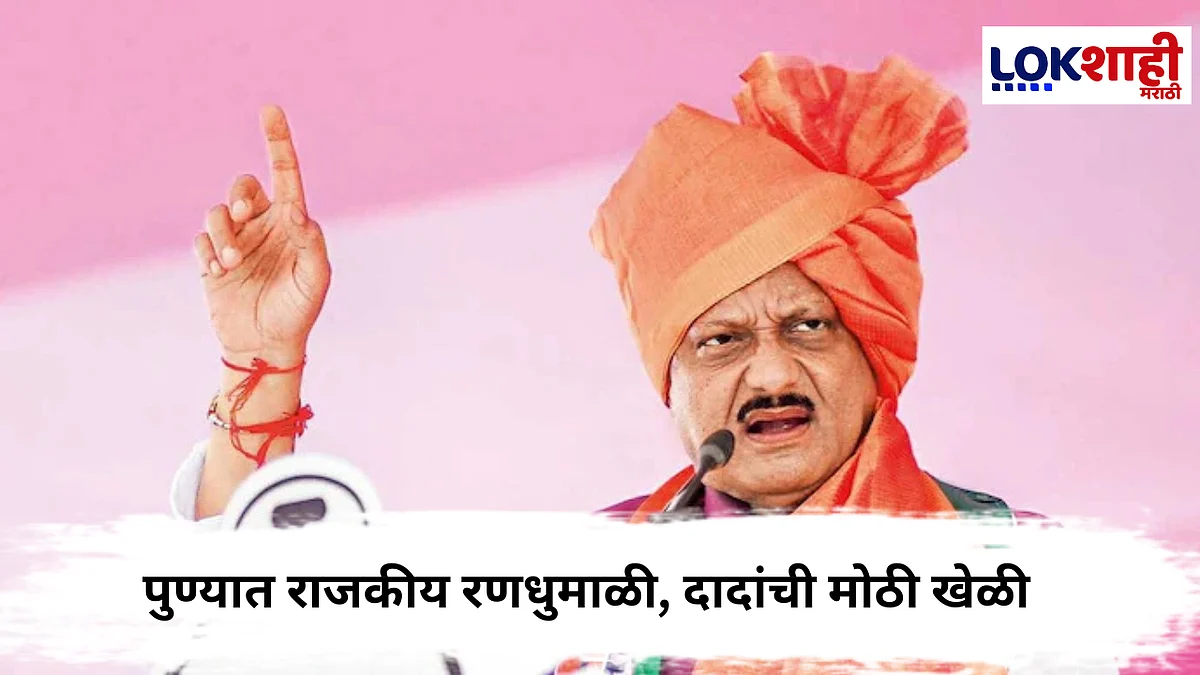
In a rapid series of defections that has unsettled local politics, nine senior leaders from across party lines formally joined the Nationalist Congress Party (Ajit Pawar faction) in Pune within a 12-hour window. The moves come as candidates prepare to file nominations for the Pune Municipal Corporation (PMC) election, scheduled for 2026, and are already reshaping electoral calculations across the city.
Pune PMC election: parties scramble as leaders switch allegiance
Those who crossed over include BJP figures Dhananjay Jadhav, Mukari Algude, Shankar Pawar and Madhukar Musale; Congress leader Datta Bahirat; Maharashtra Navnirman Sena’s Jayraj Landge; Nita Manjalkar from the Shiv Sena (Thackeray group); Anand Manjalkar from the Shiv Sena (Eknath Shinde group); and Swapnil Dudhane aligned with the Sharad Pawar group. The diversity of backgrounds among the new entrants highlights the breadth of the NCP’s outreach in Pune.
Party sources said the new members cited confidence in Ajit Pawar’s leadership and a desire to be part of a stronger civic platform as reasons for switching. The arrivals have prompted the NCP to accelerate its local campaign planning, with a renewed focus on ward-by-ward organisation and candidate selection.
Political analysts suggest the timing is significant. With nomination filing under way, gaining prominent local leaders can provide immediate organisational benefits, including existing grassroots networks, local volunteer bases and constituency knowledge. In a municipal contest often decided at the ward level, such assets can prove decisive.
The defections are likely to complicate arithmetic for state-level alliances. Both the Mahayuti (the BJP-led alliance) and the Maha Vikas Aghadi (the opposition coalition) are now facing a scenario where NCP’s strengthened Pune presence could alter traditional vote splits, particularly in closely contested wards. Observers note that an effective NCP push in the city may force rival alliances to adjust their strategies or consider local seat arrangements.
Local leaders who joined stressed that their move was driven by civic priorities, including better delivery of municipal services and more effective urban planning. They framed the decision as a pragmatic step to secure greater influence over civic administration rather than solely a partisan shift.
Ajit Pawar’s faction appears to be leveraging an existing local alliance with the Sharad Pawar group in Pune, which could magnify the immediate electoral advantage of these entrants. Party insiders say joint coordination in select wards is already being discussed, with an eye on converting recent gains into a broader municipal majority.
Despite the flurry of activity, uncertainty remains. Municipal elections are influenced by very local issues and candidate reputations; a party’s ability to convert new members’ local followings into votes will depend on swift candidate nominations, effective campaigning and clear messaging on civic priorities.
Political strategists expect further developments in the coming weeks. With the PMC election moving from nomination to campaigning, parties across the spectrum are likely to step up efforts to retain or expand their foothold. For Pune voters, the contest now carries heightened significance, as shifts at the city level could have broader implications for state politics ahead of future elections.








