











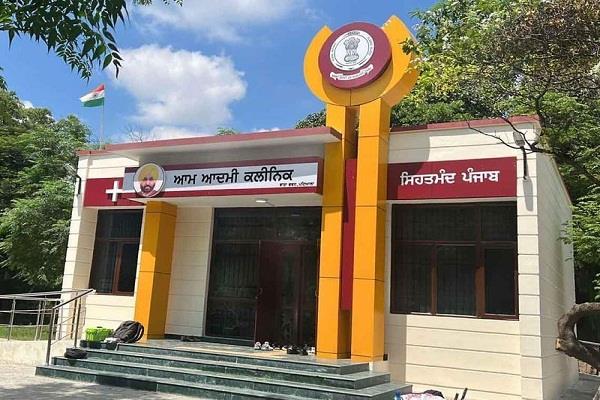
Fazilka district’s network of 26 Aam Aadmi Clinics provided 756,764 outpatient visits during 2025, reinforcing Punjab’s drive to deliver free, high-quality primary healthcare close to people’s homes. Officials say the clinics have become an important first point of care for thousands of residents who would otherwise face higher costs or travel to distant hospitals.
Aam Aadmi Clinic Fazilka
The Civil Surgeon of the district, Dr Kavita Singh, reported that the clinics performed 266,662 laboratory tests over the year in addition to the recorded OPD figures. Patients received free medical consultations and medicines for a range of common illnesses, including fever, cough, cold, hypertension, diabetes, asthma, gastrointestinal complaints and skin conditions. The availability of complimentary lab tests at the clinics has reduced the need for patients to visit costly private laboratories.
Established by the state government to expand access to comprehensive primary healthcare, the Aam Aadmi Clinic initiative aims to offer preventive, diagnostic and basic treatment services at neighbourhood facilities. Staffed by trained medical personnel and supported by laboratory services, the Fazilka clinics handle daily patient loads that reflect both routine care needs and chronic disease management.

Local health administrators said the clinics have improved early detection of conditions such as hypertension and diabetes, enabling timely treatment and follow-up. Free medication provision means many patients can adhere to prescribed regimens without the financial strain that often deters ongoing care. The clinics’ integration with laboratory services also enables clinicians to make informed treatment decisions on the spot.
Community feedback gathered by district health officials indicates strong satisfaction with the proximity and quality of services. For many residents in rural and semi-urban settlements, the clinics have shortened travel times and waiting periods, and removed a significant financial barrier to accessing basic healthcare. Healthcare workers report that outreach and awareness activities have helped increase utilisation among older adults and people with chronic illnesses.
Beyond individual benefits, public health experts say such primary-care investments can ease pressure on secondary and tertiary hospitals by triaging minor illnesses locally and reserving specialised facilities for more severe cases. They also note the benefits for public health surveillance, as routine testing and consultations generate data to inform district-level planning and resource allocation.
District authorities have indicated plans to continue monitoring clinic performance and patient outcomes, and to consider targeted improvements where necessary. Potential next steps include extended clinic hours in high-demand areas, strengthening supply chains to ensure uninterrupted medicine availability, and expanding community screening drives to identify undiagnosed chronic conditions.
As Fazilka’s Aam Aadmi Clinics complete a year of intensive service delivery, health officials view the figures—756,764 OPD visits and 266,662 tests—as evidence that accessible, free primary care can deliver measurable benefits in health access, affordability and early disease management. The district intends to build on these gains while maintaining the focus on local, patient-centred care.
Key Takeaways:
- Aam Aadmi Clinic Fazilka delivered 756,764 outpatient (OPD) visits across 26 clinics in 2025.
- Free consultations, medicines and 266,662 laboratory tests reduced reliance on private labs and out-of-pocket costs.
- Clinics provide care for common conditions including fever, cough, diabetes, blood pressure, asthma and skin ailments.
- Services aim to strengthen primary healthcare access in rural and semi-urban areas of Punjab.








