











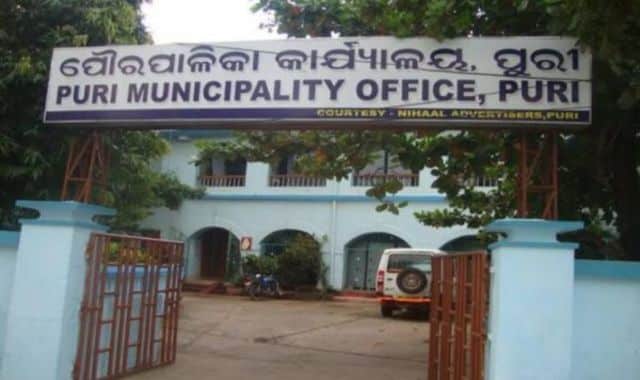
The state government of Odisha has formalised the elevation of Puri to a Municipal Corporation, effective 31 December, following a statutory notification issued by the Housing and Urban Development Department. The decision, first announced by Chief Minister Mohan Charan Majhi on 3 July 2025, fulfils a long-standing local demand and is expected to accelerate large-scale development while safeguarding the city’s spiritual character.
Puri Municipal Corporation will expand services and infrastructure
The formation of the Puri Municipal Corporation is intended to strengthen urban governance and deliver improved civic amenities to residents, pilgrims and visitors. Officials say the new administrative structure will enable faster implementation of infrastructure projects, more coordinated waste management, better drainage systems and enhanced urban planning across the city and its outskirts.
Puri is one of India’s most revered pilgrimage centres and draws thousands of devotees and tourists daily. Municipal corporation status typically brings greater fiscal and administrative powers, allowing local authorities to plan and execute larger public works, attract investment and manage visitor flows more effectively during peak pilgrimage seasons.

Residents welcomed the notification, describing it as a long-awaited step towards a prosperous and well-developed holy city. Local leaders expect the corporation to provide clearer governance mechanisms for land use, sanitation, traffic management and public safety—areas that have strained existing municipal arrangements as tourist numbers have risen.
The state government has highlighted that the move is part of a broader push for balanced urbanisation in Odisha. In addition to Puri’s elevation, the recent notification declared four towns as Notified Area Councils: Loisingha in Bolangir district, Chandikhol in Jajpur district, Jashipur in Mayurbhanj district and Basta in Balasore district. The jurisdictional area of the Berhampur Municipal Corporation has also been expanded, a change first announced by the Chief Minister on 31 August during Local Self-Governance Day.
Urban planners note that municipal corporation status can improve access to central and state funding streams, strengthen institutional capacity and create a platform for public–private partnerships in areas such as waste processing, water supply and heritage conservation. For Puri, these capabilities could prove crucial in balancing development needs with the protection of temples, historic sites and the city’s cultural identity.
Officials have signalled that immediate priorities will include upgrading drainage networks to reduce flood risk, modernising waste collection and treatment, and improving last-mile connectivity for visitors. Longer-term plans are expected to cover affordable housing, traffic management systems and measures to support sustainable tourism that respects Puri’s religious significance.
Experts caution that success will depend on adequate funding, transparent governance and continued engagement with local stakeholders, including religious institutions and resident associations. Proper planning will also be required to ensure that development around Puri does not encroach on protected or sensitive areas.
With municipal corporation status, Puri will enter a new phase of urban management. The state government and local authorities now face the task of translating the notification into tangible improvements for everyday life, while preserving the spiritual atmosphere that defines the city.
Key Takeaways:
- Puri Municipal Corporation will take effect from 31 December following a statutory notification by Odisha’s Housing and Urban Development Department.
- The upgrade aims to boost civic amenities, infrastructure and services for residents, pilgrims and tourists.
- The government also notified four towns as Notified Area Councils and expanded Berhampur Municipal Corporation’s jurisdiction.








