











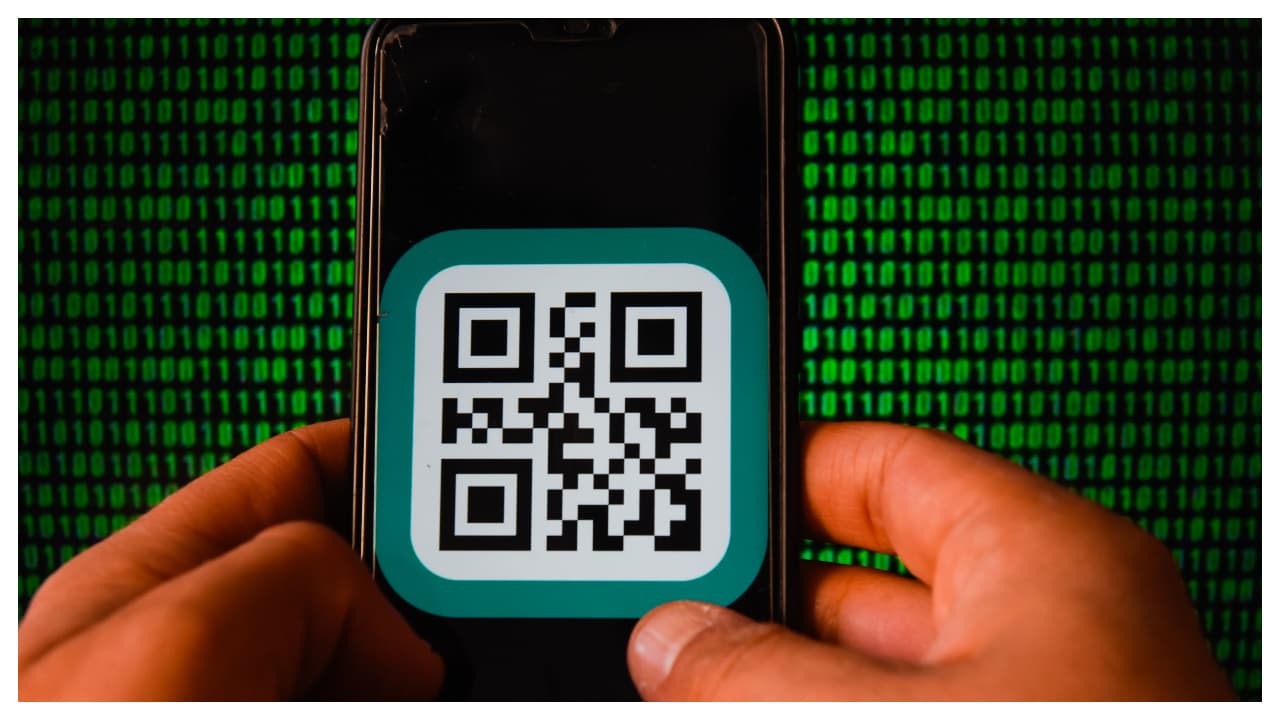
The Rajasthan government has ordered all universities in the state to include QR codes on degree certificates, diplomas, mark sheets and migration documents in a move designed to block the use of forged academic credentials in public employment.
The higher education department issued the directive following recommendations from the Rajasthan Public Service Commission (RPSC). Officials said the measure will allow recruitment bodies to verify a candidate’s academic records within moments by scanning the QR code printed on each certificate, which will connect to the issuing university’s official database.
QR codes on degree certificates will speed up verification
Recruitment officials frequently encounter suspicious certificates during selection processes, and manual verification can be slow and resource intensive. Under the new system, a scanned QR code will return the full record held by the university, enabling officials to confirm whether a certificate is original and to detect any alterations to numbers or dates almost immediately.

Authorities say the digital verification system will reduce delays in hiring, conserve administrative resources and enhance transparency in appointment procedures. The state government expects the step to make fraudulent submissions all but impossible, strengthening trust in recruitment examinations and government hiring.
RPSC highlighted that a significant number of documents submitted during recruitment raise doubts and require lengthy checks. By integrating QR code validation, universities will provide a direct, real-time link to their databases, cutting out the need for separate validation calls or lengthy correspondence between institutions and recruitment agencies.
The new mandate covers both public and private universities across Rajasthan and applies to a range of academic documents, including undergraduate and postgraduate degrees, diplomas, mark sheets and migration certificates. The state has framed the change as both a technological and administrative improvement to ensure merit-based appointments.
Officials stressed that the QR code system does more than verify originality; it also flags inconsistencies such as tampered serial numbers or falsified issue dates, offering a robust defence against document fraud. The digital record can be corroborated immediately, allowing recruitment boards to focus on candidate selection rather than lengthy document authentication.
Universities will be responsible for generating and embedding the QR codes into the certificates they issue, and they must maintain accurate, up-to-date databases to support verification requests. Authorities say implementing the system will require coordination between the higher education department, universities and recruitment agencies to ensure effective rollout and upkeep.
The Rajasthan initiative mirrors a broader trend in India and elsewhere of adopting digital tools to protect the integrity of academic credentials and public-sector recruitment. Proponents argue that such measures not only deter fraud but also streamline administrative processes, saving time for both applicants and officials.
As the scheme is implemented, the government will need to ensure data security, reliable access to university databases and a clear protocol for handling verification disputes. If managed effectively, the QR code requirement could become a model for other states and sectors seeking to prevent credential fraud while speeding up recruitment.
Key Takeaways:
- Rajasthan government requires QR codes on university-issued degrees, diplomas and migration certificates to prevent submission of fake documents.
- Scanning the QR codes will link recruitment officials directly to university databases for instant verification, speeding up hiring and improving transparency.
- The move follows recommendations from the Rajasthan Public Service Commission and aims to reduce time-consuming manual checks during recruitment.








