











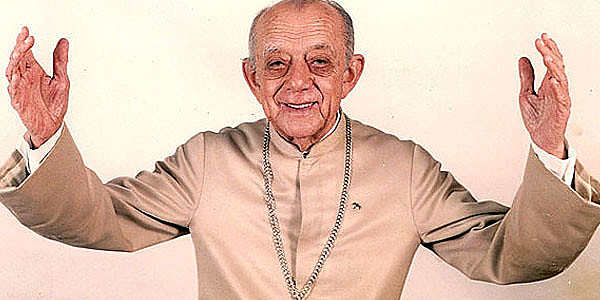
On 30 December 2025 a radio programme in Recife revived the voice and memory of Dom Hélder Pessoa Câmara, the Brazilian prelate whose name remains intertwined with social justice, pastoral care and cultural expression. The broadcast revisited his public presence in a city shaped by progressive pedagogy and political struggle, and recalled why his words still resonate across generations.
Dom Hélder Câmara
Born in Fortaleza on 7 February 1909 and passing in Recife on 27 August 1999, Dom Hélder became an emblematic figure in Brazil and abroad. As archbishop of Olinda and Recife he challenged the comfortable distance between Church and poor communities, turning liturgy and pastoral work into instruments of solidarity. During the military dictatorship that followed 1964 he was both censured and celebrated: banned from many newspapers at home, he continued to be one of Brazil’s most recognised public figures internationally.
Listeners who remember the era speak of a man who combined the conservatism of office with surprising versatility. He was not merely a cleric of meekness; he was an astute public speaker and a writer whose radio crónicas reached ordinary Brazilians. On the programme, a presenter recalled how Dom Hélder could turn a seemingly minor observation into a piece of poetry for everyday life, addressing believers and sceptics alike.

One episode of particular resonance is the crónica “Flores murchas”, where Dom Hélder imagines a rosebush asking whether God would resurrect flowers. He insists he cannot imagine a heaven without flowers — an image that captured his tenderness and his aptitude for treating theological questions with lyrical warmth. These radio pieces, collected in volumes such as “Um olhar sobre a cidade”, demonstrate his talent for writing that did not separate intellect from feeling.
Eyewitness testimony from the 1970s underlines his role in public protest. When repression detained members of his circle and when his aide Padre Henrique was murdered, Dom Hélder addressed crowds outside the Palácio dos Manguinhos with a voice both measured and moving. He used theatrical pauses and carefully chosen phrases to imprint solidarity on the listeners’ memory, even asking the crowd to sing a contemporary popular song to express common concern for the detained. Such gestures showed how he bridged liturgical language and popular culture.
Today’s remembrance on Rádio Jornal do Recife, and the renewed attention to his writings and speeches, underline how cultural memory preserves certain names against the erosion described by poets: flesh passes, the name may fade, but some works anchor a legacy. Dom Hélder’s combination of pastoral action, rhetorical skill and literary sensibility has kept his name alive in Brazil’s civic conversation.
As Brazil continues to reflect on its past and to confront social inequalities, the radio tribute serves as a reminder that public faith and civic engagement can coexist. Dom Hélder Câmara’s life remains a reference point for those who seek moral leadership that listens, speaks plainly and acts on behalf of the excluded.
Key Takeaways:
- Dom Hélder Câmara remains a vivid cultural and moral figure in Brazil, remembered for his sermons, radio chronicles and defence of human rights.
- His radio crónicas, including the celebrated “Flores murchas”, showcased his gift for reaching broad audiences with poetic, accessible language.
- During Brazil’s dictatorship years Dom Hélder combined pastoral care with outspoken advocacy, becoming both a national and international symbol of social justice.








