Key Takeaways:
- Renowned Cuban composer Rodulfo Vaillant reflects on a lifelong passion for baseball rooted in his family and childhood.
- Vaillant links baseball to national identity and calls for more cultural events that explore the sport’s role in Cuban society.
- The article traces his early exposure to professional teams and notable players who influenced his love of the game.
- At the Identidad, Sociedad, Cultura event, Vaillant urged deeper engagement with the heritage and social meaning of baseball.

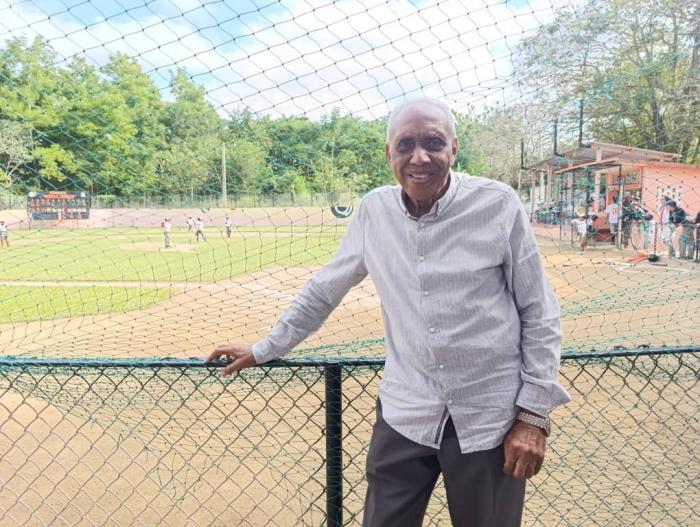
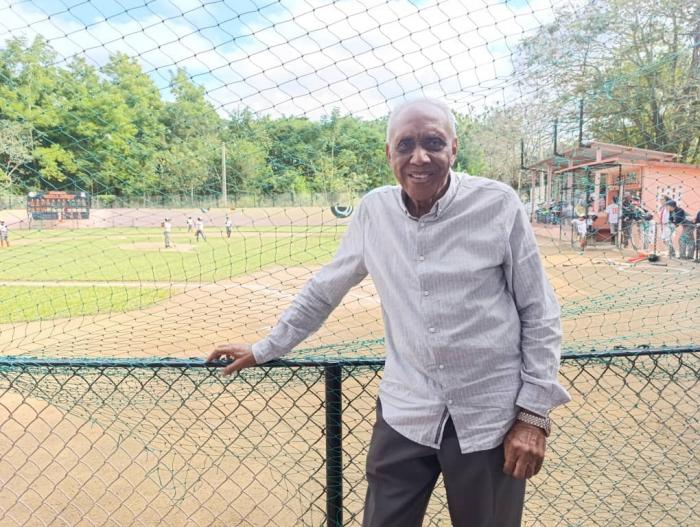
Rodulfo Vaillant García, celebrated for his contributions to popular Cuban dance music and for leading the Unión Nacional de Escritores y Artistas de Cuba in Santiago for 26 years, speaks here about a different passion: baseball. Although best known as a musician and composer, Vaillant says his love for the sport was forged in childhood and has remained a defining element of his life.
baseball culture in Cuba
Vaillant traces his earliest memories to the stands. His father, Idolomiro Vaillant, owned the team El Central, which competed in a strong professional league in the closing decades of the first half of the twentieth century. “I was nine or ten and never missed a match because my father would take me to all of them,” he recalls. Regular contact with players brought the game close to home. “They used to praise me and show me affection. Who would have thought that the sport would become such a passion?”
The tournament featured notable local teams including Cromo from Camagüey, Cuban Mini and Contramaestre, the latter known for powerful hitting and a strong infield. Vaillant remembers watching great names from that era: Heberto and Carlos Blanco, Orestes Miñoso and Claro Duany among them. He also cited encounters with Avelino Cañizares, Gilberto “El Chino” Valdivia and Francisco “Cuco” Correa, players who made a lasting impression.
After the 1959 Revolution, Vaillant stayed loyal to Oriente teams such as Mineros, Serranos and Santiago, perpetuating the passion his father had instilled. His story is less about statistics and more about the cultural bond between baseball and Cuban life. He argues that possessing the formal recognition of baseball as part of national heritage is not enough; the contents of that heritage must be known, examined and developed.
Vaillant expressed these views at the event Identidad, Sociedad, Cultura, which examined the shared history of baseball in Cuba, the Caribbean and the United States. He believes such forums should be repeated and expanded. “Baseball is a culture of the people,” he says. “We must strengthen and highlight its relationship with other cultural expressions.”
Even though his creative output has not yet drawn direct inspiration from baseball, Vaillant allows for the possibility. “I have never had an inspiration related to baseball, but perhaps before I die I will write something,” he said with a laugh, holding a trumpet in one hand and a baseball in the other.
Journalists and cultural organisers attending Identidad, Sociedad, Cultura described Vaillant’s remarks as a reminder that sport and art are often complementary ways to understand national identity. His anecdotal account, rooted in personal memory, provides a human link to broader debates about heritage, memory and the role of popular pastimes in public life.