











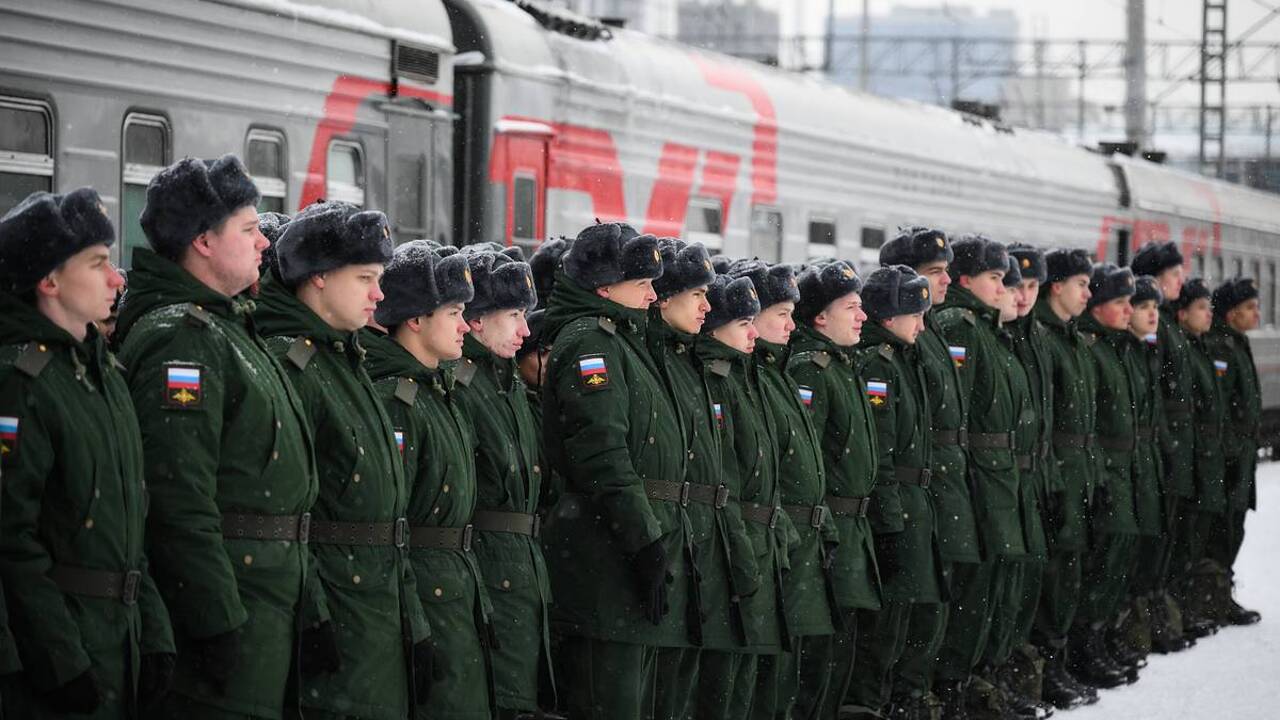
Russia has introduced year-round administrative procedures for conscription, with a new law coming into force on 1 January 2026. The amendments require that medical examinations, professional psychological screening and draft board meetings may be held at any time during the calendar year. The law was signed by President Vladimir Putin in November and published on the official legal information portal.
Russia year-round conscription explained
While the preparatory processes will run throughout the year, the actual deployment of conscripts will remain tied to the traditional spring and autumn call-up campaigns. Under the current regulation, recruits will be sent to the armed forces from 1 April to 15 July and from 1 October to 31 December. Authorities say the new schedule will streamline assessments and ensure a steadier pipeline of candidates for the two established mobilisation periods.
Officials estimate the 2026 call-up will affect at least 261,000 citizens. A presidential decree published on 29 December announced the start of mobilisation activities on 1 January 2026. Earlier reports noted that the autumn campaign had ended ahead of schedule, with 135,000 people sent to the armed forces and other troops under an earlier presidential order.

Proponents argue the reforms will allow military and recruitment authorities to manage medical and psychological screenings more efficiently and reduce administrative bottlenecks during peak months. Conducting examinations and draft board sessions year-round could also give commanders more time to evaluate fitness and aptitude for service, supporters say.
Critics have raised concerns about the implications of a continuous administrative cycle, noting that year-round processing may increase pressure on regional offices and health services. Some experts warn that extending assessments beyond the traditional call-up windows could alter local labour markets and affect communities used to the seasonal rhythm of conscription.
The law does not change the legal ages or the periods of service for conscripts. It formalises the ability of recruitment commissions to convene and carry out required procedures at any point in the calendar year while keeping physical departures tied to the established spring and autumn windows.
Analysts will be watching how regional draft offices adapt to the new timetable and whether the reforms lead to more consistent enlistment rates or operational challenges. For now, the immediate effect is procedural: medical assessments, psychological selection and commission meetings may start on any date, but recruits will continue to report for service during the two fixed campaign periods.
As the 2026 mobilisation cycle begins, authorities have signalled their intent to maintain existing structures for deployment while smoothing the administrative workload. The long-term impact of year-round conscription procedures will depend on how recruitment bodies implement the change and how communities respond to a less seasonal approach to military service.
Key Takeaways:
- Russia has implemented year-round medical, psychological and commission procedures for conscription.
- Actual call-ups will still occur during spring and autumn campaigns.
- The reform affects at least 261,000 citizens and takes effect from 1 January 2026.
- The change is part of a law signed by President Vladimir Putin and published on the official legal portal.








