











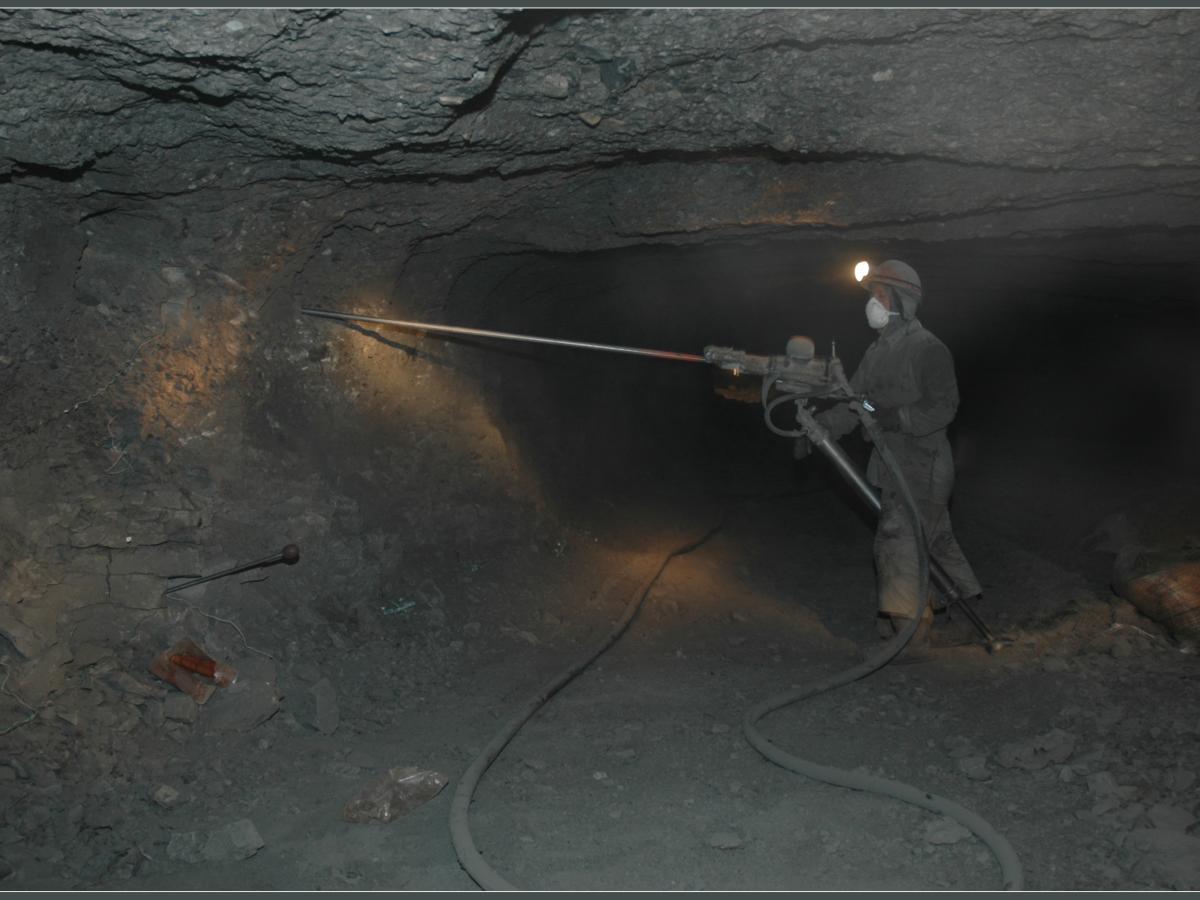
Exploration work in Russia’s Murmansk region has uncovered the area’s first native gold ore deposit. The Oleninskoe site, identified this year, is estimated to contain around 5.8 tonnes of gold and 8.5 tonnes of silver. The find marks a notable shift in the mineral profile of the Arctic region and is likely to draw fresh attention from investors and developers.
Murmansk gold deposit and immediate implications
The discovery of the Murmansk gold deposit signals that the mineral potential of the Russian Arctic extends beyond traditional northern commodities. The Oleninskoe reserves, although modest by global standards, provide the region with a verified precious metals asset that could influence future exploration priorities and the local investment map.
Officials from the federal geological agency Rosnedra and the Murmansk regional government have already opened discussions on coordinating development. In November 2025 Rosnedra head Oleg Kazanov and Governor Andrey Chibis agreed to work jointly on strengthening the mineral base of the Arctic territories. Their talks covered both resource appraisal and the infrastructure needed to bring new supply to market.

Mining and transport development are closely linked. Regional leaders highlighted plans to develop the Northern Sea Route and the Trans-Arctic transport corridor. Reliable logistics corridors reduce costs and risk for mining projects and, conversely, stable cargo flows from resource production can improve the economic case for large-scale transport investments.
Beyond gold and silver, Rosnedra has pointed to industry interest in rare and high-tech metals in the north, notably lithium, niobium and tantalum, as well as rare earth elements. These materials are important for batteries, electronics and advanced manufacturing. The Oleninskoe discovery may therefore act as a catalyst, encouraging further exploration for both precious and strategic metals in the region.
For Murmansk, a secure mineral asset could bring jobs and municipal revenues. Developers will need to undertake feasibility studies, permitting and environmental impact assessments before any extraction. The Arctic environment requires careful planning to limit ecological damage and to respect the rights and livelihoods of local and indigenous communities.
Investors will weigh several factors when considering projects in the area: commodity prices, extraction costs in a high-latitude setting, availability of year-round transport, and the regulatory framework. The joint commitment from Rosnedra and regional authorities is intended to streamline some of those variables by clarifying priorities and coordinating infrastructure planning.
Next steps will include further appraisal drilling and technical studies at Oleninskoe, alongside assessments of logistical needs such as port upgrades, rail links and energy supply. If studies prove favourable, the deposit could move from exploration to development, attracting service providers and supply-chain partners to the region.
While the Murmansk gold deposit is not a transformational find on its own, it represents a strategic addition to the Arctic’s resource base. It reinforces the case for sustained exploration across the Russian north and ties into broader ambitions to improve Arctic connectivity and economic activity.
Key Takeaways:
- Exploration in Murmansk has identified the region’s first native gold ore deposit, Oleninskoe, with estimated reserves of 5.8 tonnes of gold and 8.5 tonnes of silver.
- The discovery strengthens the Arctic mineral base and could attract investment in mining and associated infrastructure, including the Northern Sea Route and the Trans-Arctic transport corridor.
- Federal geological authority Rosnedra and Murmansk regional authorities have agreed to cooperate on developing the region’s resource base.
- Rosnedra says companies remain focused on rare and high-tech metals such as lithium, niobium, tantalum and rare earth elements, which are critical to modern supply chains.








