











Mortgage rates remained unusually high through 2025 and housing transactions fell, yet the market did not stand still. A mix of legal rulings, new banking procedures and tighter land-use rules produced several developments that will shape activity in the months ahead.
Russian housing market 2025 trends
The year opened with sales subdued by expensive credit, but it closed with important structural changes. Buyers, sellers and developers have had to adjust quickly to new requirements intended to reduce fraud, accelerate construction and bring neglected land back into use. Authorities and courts took a more interventionist stance where transactions or projects threatened broader market stability.
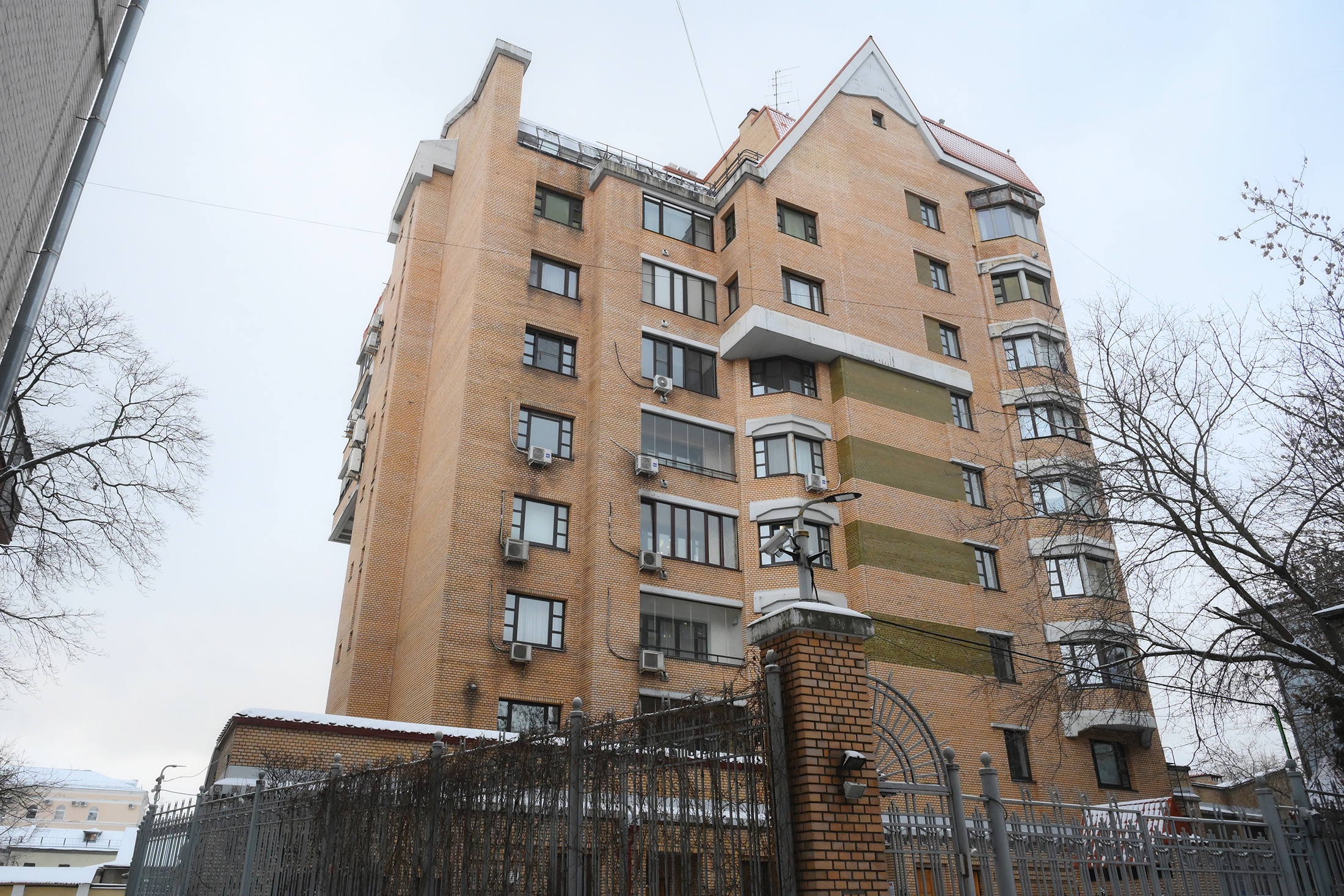
One of the most discussed cases involved a public figure commonly referred to as the Dolidna incident. A high-profile sale revealed weaknesses in how phone-based fraud can be used to simulate transactions. The buyer paid for the property but the original occupant claimed the sale was fictitious and refused to vacate. The matter reached the Supreme Court, which ruled that, despite the involvement of phone scammers, the transaction could not be voided and ownership passed to the buyer. The occupant must leave the flat and has begun removing belongings. The decision has clarified legal risk but left questions about how to prevent such schemes in future.

Fraud on the country housing market also remained a major concern. Thousands of buyers who paid for individual houses or plots have been left with unfinished building projects because contractors halted work or disappeared. Estimates of affected households ranged in the tens of thousands. Policymakers and regional authorities are discussing remedies, including completing projects through public funding or bank-backed contractors. The measures will take time to implement but aim to limit the social and financial fallout for consumers.
To reduce the risk of unfinished private construction, the government introduced escrow accounts for the country housing market. The rule entered into force in March 2025. Escrow accounts ensure that a contractor gains access to buyer funds only after a house is officially completed. Use of escrow became mandatory earlier, in July 2024, when a buyer took advantage of a subsidised mortgage. The introduction has slowed some private construction because many small builders were unprepared for the new mechanism, but uptake is rising and the state hopes the change will mirror the earlier adoption of escrow in multi-storey developments.
Another legal change focused on the use of land. From March 2025 a formal procedure allows authorities to press owners of overgrown or abandoned plots to start using them. Owners have up to three years to develop or rehabilitate land after purchase, or authorities may issue warnings, fines and, at the extreme, compulsory sale. The register already provides the information authorities need, so enforcement can proceed without extensive preliminary checks.
The state also widened access to two preferential mortgage programmes for secondary housing. From April, the Family Mortgage programme permitted purchases of existing flats at rates up to 6 per cent, and later in the year the Far East and Arctic scheme extended to second-hand housing at rates near 2 per cent. Eligibility remains limited to many smaller towns and to flats no older than 20 years. Where conditions align, the programmes could boost housing mobility outside major cities.
For consumers and investors the year closed with greater legal clarity and new financial safeguards, yet market participants still face higher borrowing costs and transitional frictions. How quickly builders and banks adapt to escrow rules and how regional authorities apply the land-use measures will determine whether the reforms restore buyer confidence and revive construction in 2026.
Key Takeaways:
- Russian housing market 2025 sees legal and regulatory shifts after high mortgage rates and falling sales.
- High-profile fraud cases and a Supreme Court ruling clarified property transfer risks for buyers and sellers.
- Escrow accounts became mandatory for some private-house construction and new land-use rules target neglected plots.
- Preferential mortgage programmes expanded to buy secondary housing in many smaller towns, with strict eligibility limits.








