











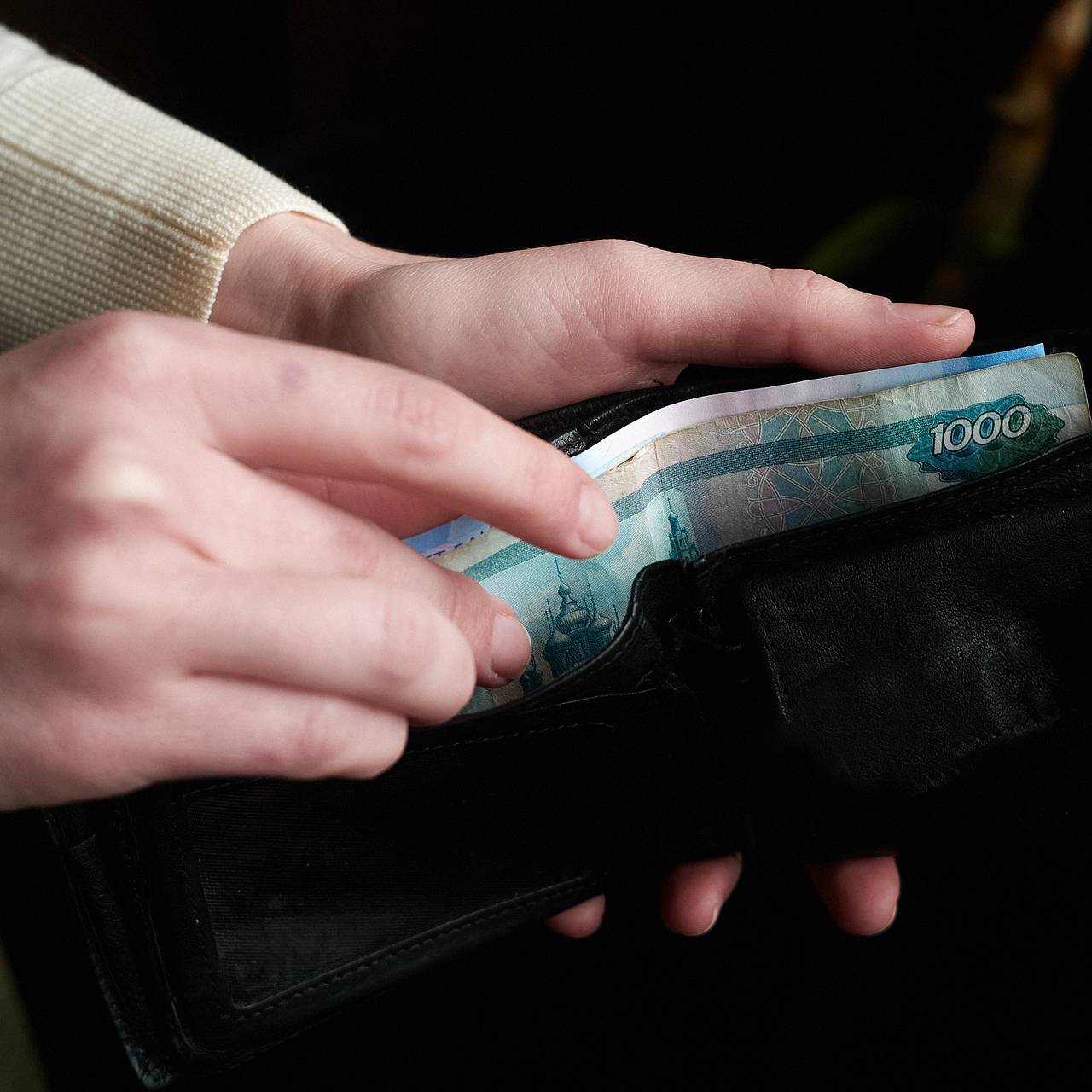
Sergei Mironov, leader of the A Just Russia party, has urged the Kremlin to launch pilot basic income programmes in some of Russia’s poorest regions. Speaking to TASS, Mironov said the country should begin experimenting with guaranteed payments now rather than delaying, arguing a trial would produce vital data to shape broader policy.
Basic income in Russia could begin with pilot regions
Mironov did not specify which regions should be chosen for the pilots or the exact poverty criteria to be applied. He said only that the state should start with a small number of poor areas to test how a basic income would affect household finances and social behaviour. The proposal echoes previous moves by his party: in 2021 A Just Russia suggested a monthly payment of 10,000 rubles for each family member in households with at least one minor child.
The argument presented by Mironov centres on the design flaws of current benefit systems. He noted that the very poorest receive a unified allowance that brings them formally above the poverty line, while those whose incomes exceed eligibility by a small amount receive no support. That cliff effect, he said, incentivises families to try to qualify for benefits rather than achieve stable incomes.

Under the plan, modest, unconditional payments would allow households to address immediate pressures such as outstanding debts, medical bills and essential repairs. Mironov also said targeted basic income might free up funds for children’s extracurricular activities, improving long-term prospects.
Public data underline the depth of regional disparities. A 2024 social wellbeing ranking compiled by RIA Novosti placed Ingushetia and Tuva at the bottom. Wages in many North Caucasus republics remain among the lowest in the country. In December, official reports noted a sharp increase in mortgage arrears for secondary housing in Tuva, where overdue loans grew 4.5 times year on year.
Economists and policy makers typically view pilot projects as a pragmatic way to assess the fiscal cost and behavioural effects of basic income. A small-scale trial can reveal whether payments reduce poverty, alter labour supply, or spur local economic activity. It can also test administrative mechanisms and targeting rules to avoid undesirable gaps between recipients and non-recipients.
Critics argue that any basic income scheme must be carefully designed to avoid creating perverse incentives or unsustainable budgetary commitments. Questions remain about funding sources, whether payments should be universal or means-tested, and how to integrate pilots with existing social insurance and welfare programmes.
Mironov acknowledged these challenges but said that postponing reforms risks entrenching dependence on poorly targeted payments. He urged policymakers to treat a pilot not as an ideological statement but as an evidence-gathering exercise that could inform reforms to Russia’s social safety net.
If authorities agree to trials, observers say they will watch closely how pilots are structured and measured. Effective evaluation would need clear poverty metrics, control groups and careful monitoring of employment, health and education outcomes.
For now, the proposal has reopened debate in Moscow about how best to support vulnerable families and reduce regional inequality without creating fiscal strain. Any move toward basic income in Russia would mark a significant moment in the country’s social policy debate and could shape discussions across comparable economies facing deep regional disparities.
Key Takeaways:
- Proposal by Sergei Mironov calls for pilot schemes to test basic income in Russia’s poorest areas.
- Basic income in Russia was previously proposed in 2021 at 10,000 rubles per family member with a minor child.
- The proposal targets social exclusion and aims to help families clear debts, access healthcare and pay for children’s activities.
- Regions such as Ingushetia and Tuva are highlighted among those with the lowest social wellbeing and wages.







