











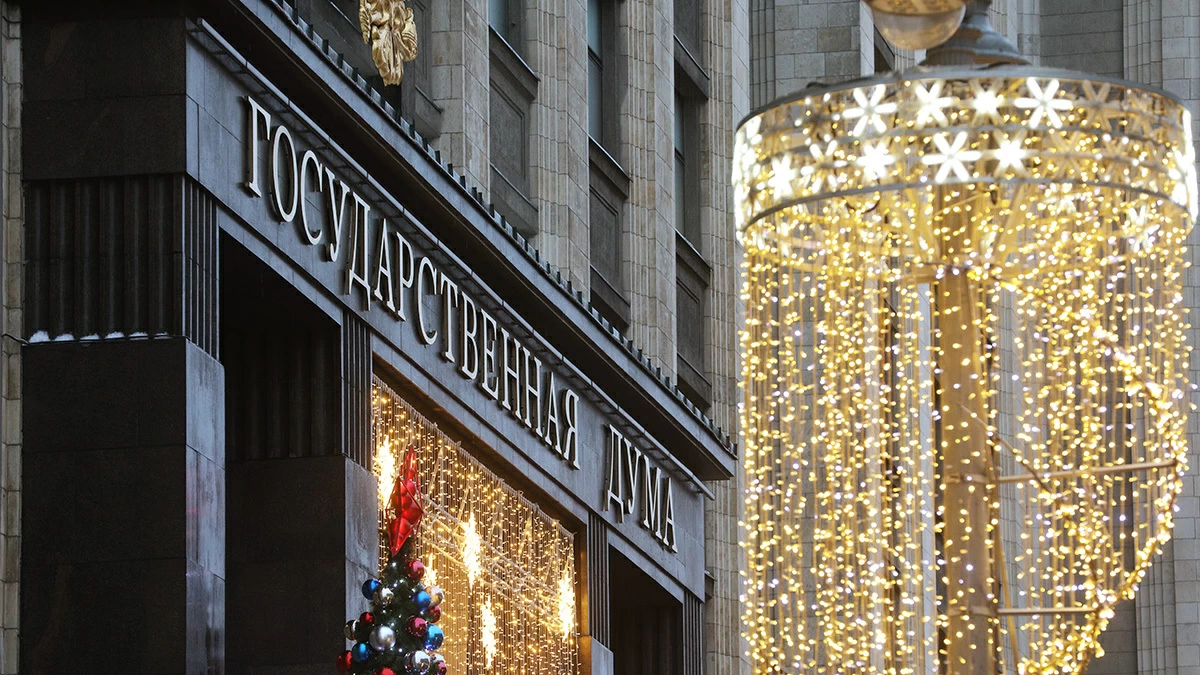
Lawmakers in the State Duma have put forward a proposal to reward employees who work during the New Year night by granting an additional three days of annual leave. The measure, which has attracted attention amid this year’s unusually long holiday period, is presented as a way to compensate those who remain on duty during one of the country’s most important holidays.
Russia began its extended New Year break on 31 December. Officially, the holiday period runs through to 11 January 2026 inclusive, making this the longest New Year holiday span in more than a decade. According to the calendar, the first working day after the break will be Monday 12 January.
Russia New Year leave
The proposal would add three days to the annual leave entitlement of any employee required to work on New Year’s night. Lawmakers argue the additional leave recognises the disruption to family life and rest periods for staff in sectors such as healthcare, emergency services, transport and hospitality. At present, compensation for work on public holidays may vary depending on contracts, collective agreements and sectoral practices.

Supporters of the idea say it could bring clarity and a uniform approach to compensating holiday work. A statutory award of extra leave would be straightforward for employees to understand and for enforcement bodies to monitor, they say. Trade unions are likely to welcome a measure that places a formal premium on work carried out at peak festive times.
Employers, by contrast, may raise concerns about the operational and financial impact. Granting extra leave could increase administrative burdens for human resources departments and may require rethinking shift rosters, particularly in businesses that already operate around the clock during holiday periods. Some private-sector representatives could argue that monetary compensation or overtime pay is a more flexible way to reward staff than adding to annual leave balances.
How the proposal would be implemented remains an open question. If adopted, legislation would need to specify which categories of work qualify, whether the additional leave is paid, and how the entitlement interacts with existing collective agreements. Clarifying these details would be necessary to avoid disputes and ensure fair application across regions and industries.
Internationally, several countries have mechanisms to compensate employees who work on public holidays, ranging from overtime pay and premium rates to extra days off. The Russian proposal sits within that global context and reflects a broader effort to balance the needs of essential services with workers’ rights to rest and family time.
Observers expect debate in the State Duma and consultations with business associations and unions before any statutory change. For now, the proposal highlights a practical problem that surfaces every year when public holidays fall on dates associated with major celebrations: how to recognise the contribution of those who keep services running while others take time off.
With the country currently on an extended New Year break, public attention on holiday working conditions is heightened. Whether the additional leave becomes law will depend on the parliamentary process and the political will to standardise compensation for holiday labour.
Key Takeaways:
- Lawmakers in the State Duma have proposed granting three extra days of annual leave to employees who work on New Year’s Eve, under the Russia New Year leave proposal.
- Russia is observing extended New Year holidays this year, with official time off running until 11 January 2026 and the first working day on 12 January.
- The move aims to compensate staff in essential services and hospitality but could prompt debate with employers and unions over implementation.








