











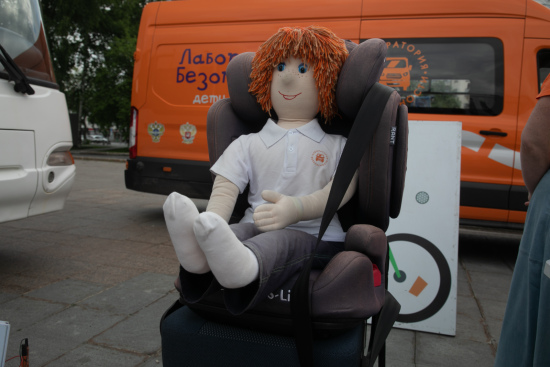
The State Duma has approved tougher penalties for drivers who transport children without appropriate restraints, increasing fines across the board as part of a push to improve road safety. Lawmakers cited alarming statistics from regional traffic authorities when advancing the bill.
According to figures provided by the Tyumen State Traffic Inspectorate, in 2025 there were 211 road collisions involving child passengers in which five children died and 245 were injured. In 15 of those accidents, the injuries to 22 children were attributed specifically to the absence of child seats or seat belts. Those figures helped prompt the legislative change.
Child car seat fines Russia: who will pay more?
Under the new rules, the sizes of administrative fines have been raised as follows: private drivers will now face fines of 5,000 rubles, up from 3,000; individuals in official positions, a category that explicitly includes taxi drivers, will face fines of 50,000 rubles, doubled from 25,000; and legal entities such as taxi companies and fleets will be fined 200,000 rubles, up from 100,000.

Crucially, the legislation equates self-employed taxi drivers with officials for the purpose of these fines, meaning independent drivers who work through apps or as sole operators will also face the 50,000-ruble penalty for transporting children without approved restraints. The Main Directorate of Construction of the Tyumen Region confirmed this classification.
The measure is framed as a public safety priority. Government and regional authorities say stronger financial deterrents are necessary to encourage compliance with child restraint laws and to reduce preventable injuries among young passengers. Road-safety advocates welcomed the change, while some in the taxi industry expressed concern about enforcement and the practicalities of transporting children in city cabs.
Taxi operators will need to consider how to adapt. Options include equipping vehicles with child seats, providing lightweight portable restraints, or ensuring drivers and dispatchers are trained to refuse trips that would put a child at risk when no suitable restraint is available. Companies may also face higher operational costs as they implement compliance measures to avoid the increased penalties.
Legal experts note that the tougher fines create a clearer incentive structure but also raise questions about consistent enforcement. Municipal traffic police and road-safety services will need to balance targeted checks with public awareness campaigns so that parents and guardians are likewise accountable for ensuring children are secured.
The legislation does not alter the underlying requirement that children travel in appropriate restraints; rather it increases the financial consequences for breaching the rule. For families, taxi users and industry stakeholders, the change signals a stricter regulatory environment expected to take effect following formal promulgation and publication in the official legal registers.
With road-safety metrics cited as the rationale, the measure aims to cut the number of child injuries and deaths on Russian roads by making non-compliance a more costly choice. Observers will watch how enforcement is implemented and whether the increase in fines leads to clearer behavioural change among drivers, companies and passengers alike.
Key Takeaways:
- Russian State Duma tightens penalties for transporting children without car seats amid alarming accident data.
- Fines increase to 5,000 rubles for private drivers, 50,000 for taxi drivers and officials, and 200,000 for companies.
- Self-employed taxi drivers will be treated as officials and face 50,000-ruble fines.
- The change follows Tyumen traffic authority figures linking several child injuries and deaths to the absence of restraints.








