











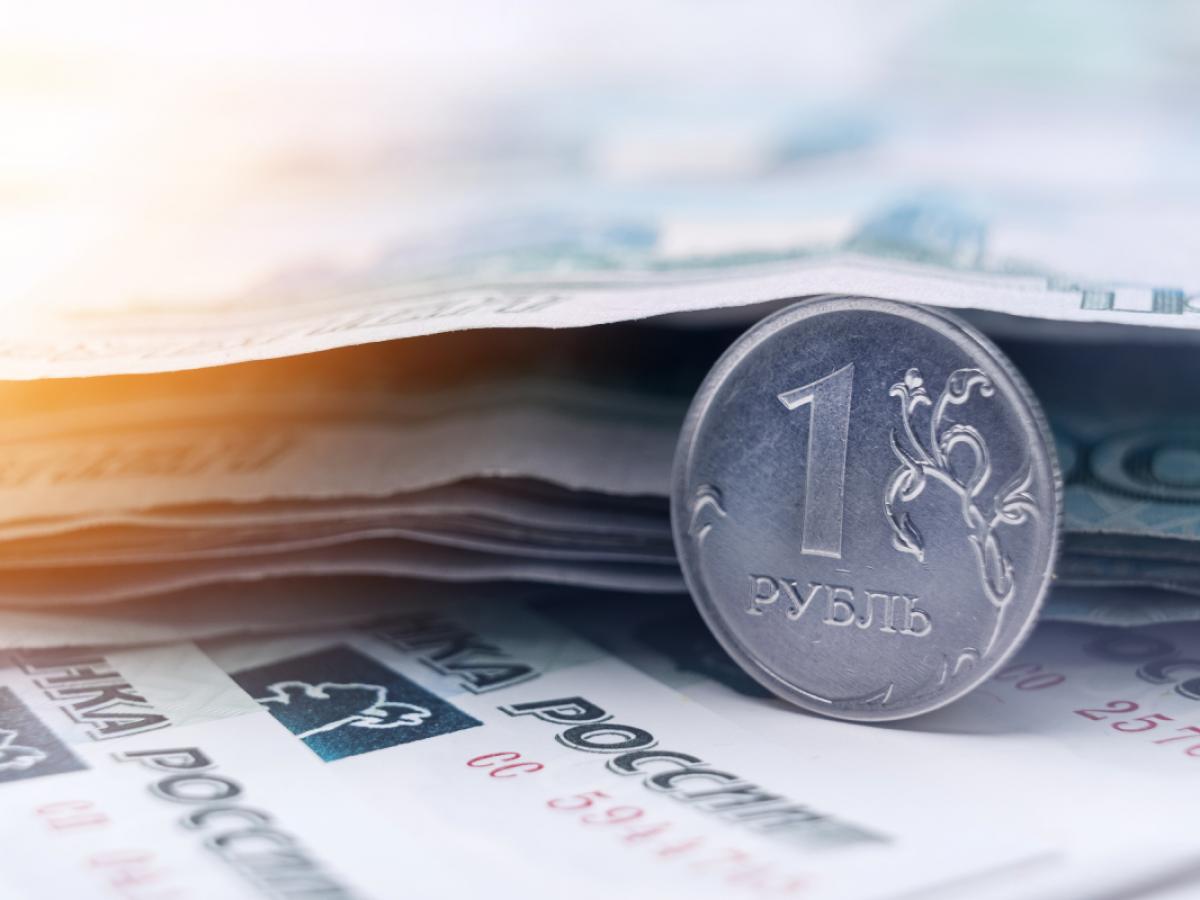
From 1 January 2026 the federal minimum wage in Russia (MROT) has been raised to 27,093 rubles, marking a substantial increase from the 22,440 rubles set at the start of 2025. The law amending the statutory minimum was signed late in November and entered into force at the beginning of the new year, according to reports from TASS.
The rise represents an increase of approximately 20.7% and is designed to bolster incomes at the lower end of the labour market. Authorities say the move will lift pay for around 4.6 million workers directly on minimum wages and will also affect a broader set of payments that are indexed to the MROT level.
Russia minimum wage 2026: immediate legal and practical effects
The change to Article 1 of the federal law “On the Minimum Wage” means employers may not set basic pay below the new floor for full-time employees, subject to the particular rules that apply in each case. In practice, the MROT functions as a reference point not only for base salaries but for certain allowances, fines, compensation payments and, in some firms, elements of corporate pay systems.

As a result, the impact will cascade beyond those on the lowest contracted wages. Where businesses calculate benefits or penalties using the MROT as a multiplier, those figures will rise, altering payroll costs and administrative calculations across public and private sectors.
Officials frame the increase as a measure to support household incomes and compress the gap between entry-level wages and higher pay scales in mass occupations. The effect is likely to be most visible in sectors that employ many workers in starter positions: retail, hospitality and personal services, cleaning, logistics and parts of manufacturing.
Employers will need to review payrolls and internal compensation rules to ensure compliance. For some small firms and labour-intensive businesses the higher base may prompt adjustments to working hours, hiring plans or price-setting as they absorb greater wage bills. At the same time, workers who previously earned just above the old floor may also see upward pressure on wages as employers seek to preserve internal pay differentials.
Economists note the potential trade-offs. A higher statutory minimum can lift earnings for low-paid workers and increase consumer spending, but it can also raise costs for firms and, in certain circumstances, lead to slower hiring or increased automation where margins are tight. The net outcome will depend on inflation dynamics, productivity improvements and wider fiscal and labour-market measures.
For public finances, increased MROT levels can raise social transfers and pension indexation pressures because some benefits and entitlements use the minimum wage as a reference. Policymakers will monitor the labour market for signs of improved living standards and any adverse effects on employment.
For workers and unions the adjustment is a clear material gain to incomes at the bottom of the pay scale. For businesses it is an administrative and cost event that will require budgeting and, in some cases, operational changes. The new MROT sets a higher legal floor for wages across Russia as the government seeks to support lower-income households into 2026.
Key Takeaways:
- Russia minimum wage 2026: MROT increased to 27,093 rubles, a roughly 20.7% rise from 2025.
- The change took effect on 1 January 2026 after presidential signature and impacts about 4.6 million workers.
- Payments tied to MROT — allowances, fines and some corporate pay floors — will also be adjusted upward.
- Largest effects expected in retail, services, cleaning, logistics and entry-level manufacturing roles.








