











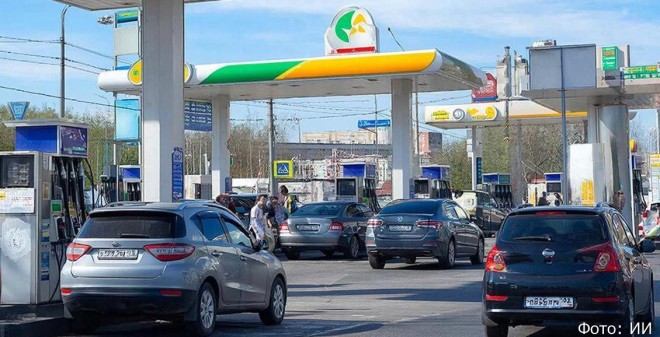
Fuel prices on Kamchatka increased again on the first day of 2026 after overnight adjustments at filling stations across the peninsula. Drivers woke to higher pumps as operators raised prices for all grades by more than one rouble.
Kamchatka fuel prices: what changed
The NNK chain in Petropavlovsk-Kamchatsky now lists AI-92 at 72.70 rubles per litre, AI-95 at 78.00 rubles, AI-98 at 90.67 rubles and diesel at 91.28 rubles. According to local reporting, this is the first documented increase in fuel prices for 2026, following a prior round of adjustments in the night leading into 1 January.
Regional operators notably updated price boards during the night, leaving motorists faced with higher costs at the start of the month. Local sources say the hikes reflect a combination of factors common to remote regions: transport and logistics costs, seasonal demand, and periodic wholesale price shifts.

Why the rise matters
Kamchatka’s geography amplifies changes in fuel pricing. The peninsula relies on long supply chains to bring refined products to consumers, which raises the sensitivity of local retail prices to shipping costs, winter weather and inventory cycles. Even modest increases at wholesale or in transport can produce notable moves at the pump for drivers and businesses.
For households and firms in Kamchatka, higher fuel prices can translate into greater household budgets for transport and heating, and higher operating costs for fisheries, logistics firms and local services. For the regional economy, persistent price rises can suppress discretionary spending and weigh on sectors that depend on road transport.
Recent price pattern
Markets in Kamchatka were already active last year. In 2025, prices at regional filling stations reportedly changed ten times, with adjustments occurring at roughly two-week intervals. That frequency suggests a dynamic pricing environment shaped by wholesale market movements and local distribution constraints.
Traders and analysts monitoring Russia’s Pacific regions will watch for further adjustments in the coming weeks to see whether the early January rise is an isolated correction or the start of a broader trend. Key indicators to watch include wholesale product supplies to the Far East, shipping schedules, and any policy changes affecting fuel taxes or distribution.
Outlook for consumers and businesses
In the short term, motorists should expect pumps to remain sensitive to fluctuations in supply and demand. Businesses with significant fuel exposure may consider reviewing logistics plans and pricing strategies to manage higher operating costs. Local authorities may also be asked to monitor supply chains to reduce volatility where possible.
While the latest increase is modest in absolute terms, its timing at the start of the year and the region’s record of frequent adjustments make it a development that residents and regional economic watchers should follow closely.
Key Takeaways:
- Fuel prices on Kamchatka rose overnight on 1 January, with all grades increasing by more than one rouble.
- NNK stations in Petropavlovsk-Kamchatsky now list AI-92 at 72.70 rubles, AI-95 at 78.00 rubles, AI-98 at 90.67 rubles and diesel at 91.28 rubles.
- Regional pumps had already adjusted prices on the night of 31 December; 2025 saw ten price adjustments, roughly every two weeks.
- The move highlights local supply, transport and fiscal pressures affecting Kamchatka fuel prices and regional markets.








