











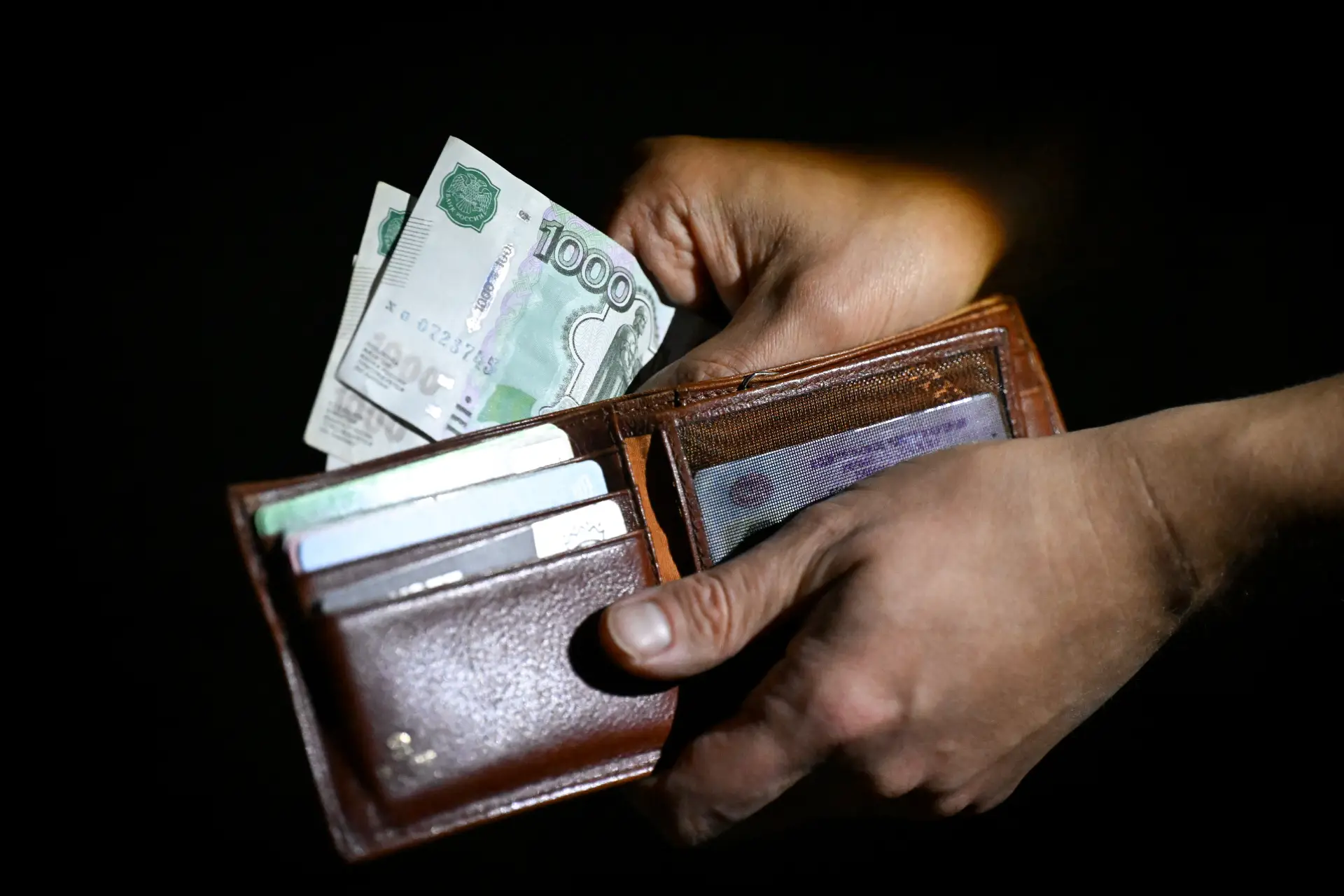
The Russian government will index the national subsistence minimum by 6.8% from 1 January 2026, the Ministry of Labour announced. The adjustment sets the average national figure at 18,939 ₽ per person and will change the thresholds used to determine a range of social payments and supports.
Russia subsistence minimum 2026: regional variances and impacts
Under the new figures, the subsistence minimum for working-age adults will average 20,644 ₽, for pensioners 16,288 ₽ and for children 18,371 ₽. Regional coefficients continue to apply, producing a wide spread of minima across the federation: the lowest per-person amounts will be 17,719 ₽ in Lipetsk and Tambov regions, while the highest will be 49,431 ₽ in the Chukotka Autonomous Okrug.
The Ministry of Labour noted that the subsistence minimum is a key criterion for eligibility and payment levels in several social programmes. It determines entitlement to the single allowance for families with incomes below the minimum, the size of social contract payments, and top-up payments for pensioners whose pensions fall below the regional subsistence minimum.

Single allowance payments for children and certain expectant mothers are calculated as 50%, 75% or 100% of the regional subsistence minimum for children or for the working-age population. Based on the new national averages, a full 100% payment would be about 18,400 ₽ for children and 20,600 ₽ for pregnant women who registered early in their pregnancy.
For pensioners, the increase means that where a pension is set below the regional subsistence minimum it will be topped up to match that minimum. If a region’s pensioner minimum is below or equal to the national average, a federal payment applies; if it is higher than the national average, the region provides the top-up.
The subsistence minimum also determines the level of assistance available through social contracts intended to support employment or respond to difficult life circumstances. From 1 January the support for job placement assistance, traditionally set at four times the subsistence minimum, will rise to 82,576 ₽. Maximum emergency assistance capped at six times the minimum will increase to 123,864 ₽.
Officials said the indexation will directly affect millions of households by lifting benefit thresholds and increasing the nominal size of certain payments. For families near the poverty line, the recalculation may expand access to one-off and targeted supports, while pensioners who currently receive very small pensions may see their monthly incomes brought up to the new regional minima.
Analysts note that indexation of the subsistence minimum is a standard tool of social policy to reflect inflation and adjust the baseline used for welfare programmes. While the immediate effect is to raise benefit amounts, the broader fiscal impact will depend on how many additional households become eligible for payments and the timing of regional budget adjustments.
The Ministry’s statement stressed the administrative role of the figure: it is used not only to set payment sizes but also to define need for a range of social measures. The new rates will take effect with the start of the new year and regional authorities will publish their own updated minima in line with local coefficients. The ministry message was released via Interfax on 11 December 2025.
Key Takeaways:
- From 1 January 2026 Russia will index the subsistence minimum by 6.8%, bringing the national average to 18,939 RUB per person.
- New rates: 20,644 RUB for working-age adults, 16,288 RUB for pensioners and 18,371 RUB for children; regional minima range from 17,719 to 49,431 RUB.
- The increase will raise single allowance payments, social contract supports and pension top-ups; full child payments average 18,400 RUB nationwide.
- Support linked to the subsistence minimum — including employment assistance and emergency aid — will rise, with maximum assistance reaching up to 123,864 RUB.








